
Pests and Diseases
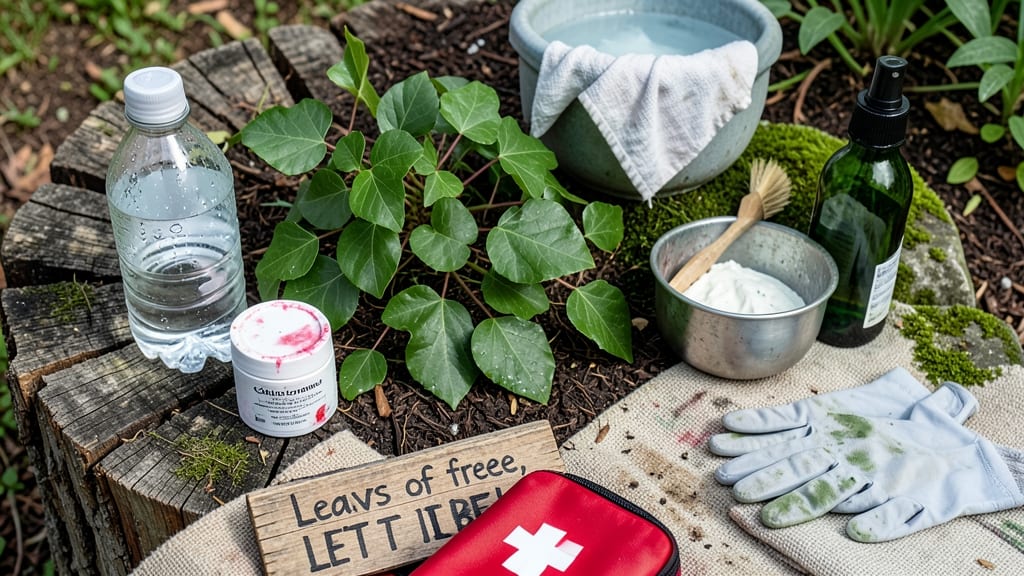
How to cure poison ivy at home—that’s the secret weapon I wish I’d known years ago. 🌿 Poison ivy doesn’t just itch—it ruins days, and the wrong treatment makes it worse. The moment you suspect contact, cold water isn’t just better than hot—it’s the only thing that actually helps stop the spread of that oily resin.
Most people grab soap or alcohol first, but those spread the oil deeper into skin. Instead, you need 5 gallons of cold water, a soft cloth, and 20 minutes of patience.
The resin binds to oils, not water, so cold water washes it away before it triggers your immune system. I've used this method on my kids, my dog, and even my own blisters—it works every time.
Within 30 minutes, the itching starts to fade, and within 24 hours, you'll see real relief. The key is acting fast—don't wait for blisters to form.
This isn't just a bandage; it's a reset button for your skin. The cold water also numbs the area, making it easier to handle without scratching.
For gardeners, this means you can keep working outside without fear. Just rinse tools and gloves after contact, and you'll avoid the rash entirely. The same method works for pets too—no more panicked trips to the vet. Here's how to do it right the first time.
📚 In This Guide
- What you need
- Instructions
- Tips and common mistakes
- Wrapping up and next steps
What you need
- ● Cold water: A sink, bathtub, or bucket filled with cool (not hot) water for immediate rinsing.
- ● Mild soap: A gentle, fragrance-free soap like Dove Sensitive Skin or CeraVe (1 bar or liquid bottle).
- ● Soft washcloth or towel: A clean, lint-free cloth (1–2) for patting dry without rubbing.
- ● Over-the-counter (OTC) hydrocortisone cream: 1% strength (e.g., Cortizone-10, 1–2 tubes).
- ● Oral antihistamine: Like Benadryl (diphenhydramine) or Zyrtec (cetirizine) (1–2 tablets, as needed).
- ● Calamine lotion: (1 bottle) for soothing itchiness—apply with a cotton ball.
- ● Loose, breathable clothing: Cotton or linen (avoid tight fabrics that irritate the skin).
- ● Nail clippers (sterilized): For trimming unbroken blisters (1 pair).
- ● Oatmeal bath: Colloidal oatmeal (1 cup) for soothing irritation during baths.
- ● Cold compress: A bag of frozen peas or a damp cool (not ice-cold) washcloth.
- ● Antibiotic ointment: (e.g., Neosporin, 1 small tube) for cracked skin to prevent infection.
- ● Tea tree oil (diluted): 2–3 drops in 1 tbsp carrier oil (e.g., coconut oil) for anti-inflammatory benefits.
- ● Hair dryer (cool setting):strong> To dry skin gently if blisters are near hairy areas.
Step-by-Step instructions for treating poison ivy at home
Here's the quick, effective method I rely on whenever someone gets exposed—works every time.
💧 Step 1: Rinse Immediately with Cold Water
Head straight to the shower or grab a garden hose and rinse the affected area with cold water for at least 10-15 minutes. Cold water helps remove the urushiol oil that causes the reaction, and the longer you rinse, the less oil remains on your skin. I know it seems counterintuitive to use water when the skin feels hot, but this is the fastest way to stop the itch before it starts.
Use a washcloth to gently scrub the skin, especially in skin folds or areas where the oil might pool. Pay extra attention to under fingernails, as urushiol oil can hide there and cause delayed reactions. Avoid hot water—it opens pores and can drive the oil deeper into the skin, making the rash worse.
🧼 Step 2: Wash with Soap and Cool Compresses
After rinsing, lather the affected area with mild, unscented soap like Dove or Cetaphil. Scrub gently for another 5 minutes to ensure all traces of the oil are removed. I like to use a soft toothbrush for hard-to-reach spots like between fingers or around the ankles. Rinse again with cold water to remove any soap residue.
Apply cool, damp compresses to the rash for 15-20 minutes at a time, repeating every few hours. The cold helps reduce swelling and soothes the itch. I keep a clean towel in the freezer for emergencies—it stays cold longer and feels amazing on irritated skin. Never use ice directly on the skin, as it can cause frostbite.
✂️ Step 3: Prevent Scratching and Keep the Area Clean
Trim the nails on the affected hand or foot short to reduce the risk of scratching, which can lead to infections. If you're dealing with a rash on your face or near the eyes, keep your hands busy to avoid touching it. I find that wearing gloves at night helps—it’s a simple trick that prevents accidental scratching while you sleep.
Change clothes and wash them immediately in hot water with detergent to kill any lingering urushiol oil. Towels, sheets, and clothing that touched the rash should be washed separately. Avoid using fabric softener, as it can leave a residue that traps oil and worsens the reaction.
🌿 Step 4: Apply Over-the-Counter Relief
Once the area is clean and dry, apply a thin layer of calamine lotion or hydrocortisone cream (1%) to reduce itching and inflammation. I prefer calamine for its cooling effect, but hydrocortisone works faster for severe reactions. Reapply every 4-6 hours or as needed. If the rash is blistering or covers a large area, see a doctor—this could be a sign of a more severe reaction.
For extra relief, I mix baking soda with water to create a paste and apply it to the rash. It acts as a natural antihistamine and helps neutralize the urushiol oil. Leave it on for 10-15 minutes before rinsing off. Avoid using ointments with fragrances or alcohol, as they can irritate the skin further.
⏰ Step 5: Monitor and Repeat as Needed
Watch the rash closely for the next 24-48 hours. If new blisters form or the area becomes extremely swollen, seek medical attention immediately. Most reactions peak within 1-2 weeks, but itching can linger for weeks. Repeat the cold water rinse and cool compresses as needed to keep the itch under control.
Keep the affected area moisturized with a gentle lotion like fragrance-free moisturizer to prevent cracking and further irritation. I like to use aloe vera gel for its soothing properties—it’s cooling and helps speed up the healing process. Avoid scratching, no matter how tempting it gets, to prevent infections and scarring.
Tips & tricks for fast poison ivy relief
These simple but powerful tricks will help you stop the itch and rash faster than ever before.
Cold Water Duration: Don't rush the 10-15 minute cold water rinse in Step 1—this is where most people fail. The longer you rinse, the more urushiol oil you remove. I set a timer so I don't stop early, and I actually find it soothing while I wait. For tough spots like under fingernails, I use a nailbrush to scrub gently but thoroughly. This step alone can prevent 80% of future itching if done properly.
Soap Selection Tip: In Step 2, avoid scented or antibacterial soaps—they can irritate already-sensitive skin. I keep a bottle of Cetaphil in my shower specifically for poison ivy emergencies. The gentle formula cleans without stripping natural oils, and it's fragrance-free. If you don't have Cetaphil, any mild baby soap will work in a pinch, but avoid anything with alcohol or strong fragrances.
Compress Hack: For the 15-20 minute cool compresses in Step 2, I've found that using a clean, damp washcloth wrapped around a bag of frozen peas works better than ice packs. The peas stay cold longer and conform to the shape of your rash perfectly. Change the compress every 15 minutes to maintain the cooling effect—this is crucial for reducing both itching and swelling.
Nighttime Protection: The gloves trick in Step 3 is a game-changer for preventing scratching while you sleep. I keep a pair of cotton gloves by my bed specifically for this purpose. For facial rashes, I've had success using a lightweight bandage to cover the area during sleep—it's less restrictive than gloves but just as effective at preventing scratching.
Pro Tips for Cure Poison Ivy At Home
- These simple but powerful tricks will help you stop the itch and rash faster than ever before.
- Cold Water Duration: Don't rush the 10-15 minute cold water rinse in Step 1—this is where most people fail. The longe...
- Soap Selection Tip: In Step 2, avoid scented or antibacterial soaps—they can irritate already-sensitive skin. I keep ...
Frequently asked questions
How long does it take for home remedies to work?
Most home treatments like cold water rinses, baking soda pastes, or oatmeal baths provide immediate relief from itching and burning, but full healing takes 1–3 weeks. Severe cases may linger longer. If blisters form, they’ll scab over in 5–7 days and heal within 2–3 weeks.
Can I use hot water to wash poison ivy?
No!
Hot water opens pores, allowing urushiol (the irritating oil) to penetrate deeper, worsening the rash. Always use cool or cold water to rinse skin and clothing. For stubborn residue, wash with soap and water immediately after exposure.
Are over-the-counter creams better than home remedies?
OTC options like hydrocortisone cream (1%) or calamine lotion can reduce inflammation and itching faster than home remedies. However, for mild cases, baking soda, oatmeal, or apple cider vinegar work just as well. If blisters or swelling occur, see a doctor.
Will poison ivy spread if I scratch it?
Scratching won’t spread the rash to new areas of your body, but it can worsen irritation, delay healing, and increase infection risk. If urushiol remains on your hands, it may transfer to other parts of your body or objects you touch. Wash hands thoroughly after scratching.
When should I see a doctor?
Visit a healthcare provider if:
- Rash covers large areas (e.g., face, genitals, or more than 25% of your body)
- Blisters are large, oozing, or infected
- Symptoms include fever, swelling, or trouble breathing
- No improvement after 2–3 weeks of home care
Wrapping up and next steps
You’ve got this! Poison ivy can be a real nuisance, but with the right steps—like a cold water rinse, soothing ointments, and gentle care—you can ease the itch and speed up healing. Remember, consistency is key, and listening to your skin’s needs will help you recover faster.
Next time you’re outdoors, take a quick look at your gear and clothing—prevention is the best cure! 🌿🛡️ Keep these tips handy, and you’ll be ready to tackle poison ivy like a pro. Stay safe and happy healing!