
Size
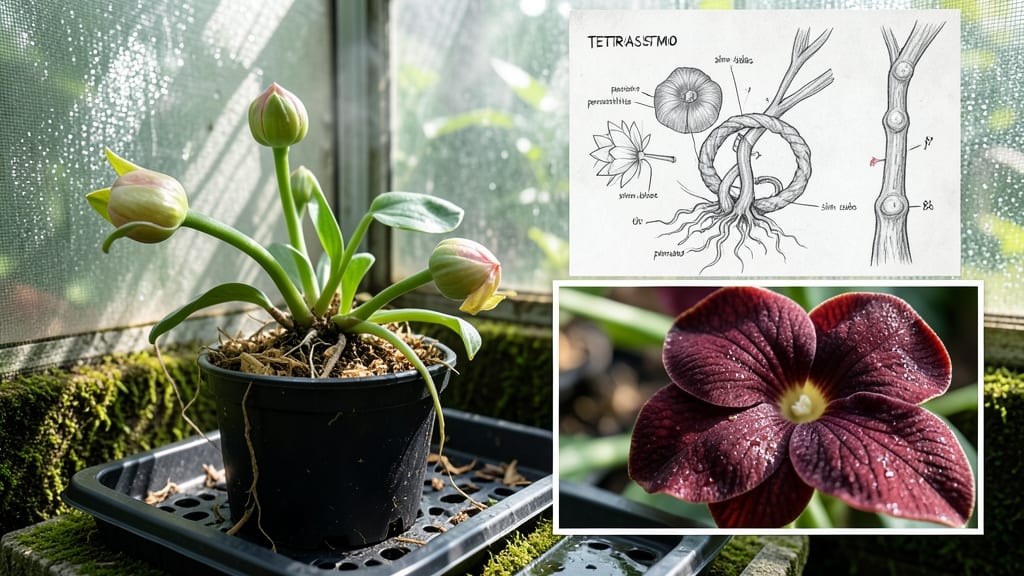
How to get a Rafflesia to grow in your garden is the ultimate jungle fantasy—if you can handle the challenges. 🌿 This parasitic flower, the world’s largest bloom, won’t grow in your backyard, but with a greenhouse and the right conditions, you could attempt it. The catch? It needs a host plant, 90% humidity, and years of patience.
You’ll need a humid greenhouse (or tropical climate), a compatible host vine like Tetrastigma, and a climate that mimics Southeast Asia’s rainforests. Light should be bright but indirect—think dappled jungle sunlight.
The real secret? Rafflesia doesn’t photosynthesize; it hijacks nutrients from its host, so you’re essentially growing two plants in one system.
Expect a 5+ year wait for your first bloom—if you’re lucky. Most growers never see flowers because the plant’s life cycle is so unpredictable.
Even then, the blooms last only 3-7 days, leaving you racing to capture their eerie, rotting-beef scent and massive size (up to 3 feet wide).
Fair warning: Rafflesia is illegal to grow in some countries, and sourcing seeds or cuttings often involves unethical wild collection. If you’re serious, focus on conservation efforts instead. But if you’re dreaming of a jungle in your greenhouse, here’s how to theoretically make it happen.
📚 In This Guide
- What you need
- Instructions
- Tips and common mistakes
- Wrapping up and next steps
What you need
- ● Rafflesia seeds or rhizomes: Obtain from a reputable tropical plant supplier (avoid wild-sourced seeds—they’re often illegal or non-viable). Pro tip: 💡 Some growers start with Tetrastigma (a host vine) since Rafflesia is parasitic.
- ○ Host plant (Tetrastigma spp.): A living vine (e.g., Tetrastigma vine) to support Rafflesia’s growth. Optional: Use a healthy, fast-growing vine like Passiflora as a temporary host.
- ● Large, deep container or raised bed: Minimum 20-gallon capacity (or larger for multiple plants). Use drill holes for drainage.
- ● High-quality tropical potting mix: 50% peat moss or coco coir (for moisture retention)
- ● 30% perlite or orchid bark (for aeration)
- ● 20% well-rotted compost (for nutrients)
- ● Humidity dome or plastic tent: To maintain 80–90% humidity (use a clear plastic cover or humidifier for smaller setups).
- ● Misting bottle or automatic misting system: For daily light misting (Rafflesia hates dry air!).
- ● Shade cloth (30–50% coverage): To filter direct sunlight (Rafflesia thrives in dappled light).
- ● Thermometer/hygrometer: Monitor 75–85°F (24–29°C) temps and humidity levels.
- ● Pruning shears or sterile knife: For gentle handling of vines and rhizomes.
- ● Fertilizer (balanced tropical blend): Diluted 10-10-10 or worm castings (apply monthly during growing season).
- ● Space: A greenhouse, sunroom, or heavily shaded outdoor area (Rafflesia cannot survive frost or cold drafts).
- ● Patience: Germination can take 6 months to 2+ years, and blooms may take 3–5 years!
- ● Legal compliance: Check CITES regulations—some Rafflesia species are protected.
- ● Backup host plants: Rafflesia is parasitic; always have 2–3 healthy vines ready.
- ● Water source: Rainwater or distilled water (tap water can harm delicate roots).
- ● Grow lights (LED full-spectrum): For supplemental light in low-light areas.
- ● Automated drip irrigation: To maintain consistent moisture without overwatering.
- ● Journal/notebook: Track humidity, temps, and vine growth for troubleshooting.
- ● Antifungal spray (neem oil): Prevent root rot or mold in humid conditions.
- ● Decorative jungle elements: Moss, ferns, or bamboo to mimic its natural habitat.
Step-by-step instructions for cultivating Rafflesia in a controlled environment
Rafflesia isn’t your typical garden plant—it thrives only with jungle-like precision. Here’s how to recreate its native conditions for a chance at those legendary blooms.
🌿 Step 1: Replicate the Tropical Rainforest Microclimate
Rafflesia demands 75-85°F year-round with 80-90% humidity—conditions most homes can’t naturally provide. I use a large, sealed terrarium (at least 3 feet tall) with a fine misting system running 15-20 seconds every 2 hours. The key is maintaining constant moisture without waterlogging the roots.
Place the setup under dappled shade—think 50% light filter—to mimic the forest floor. Direct sunlight scorches the vines, while too little light stunts growth. A LED grow light on a timer (12 hours/day) helps supplement if natural light is weak. Watch for condensation on the glass; if it never forms, increase misting frequency.
🪴 Step 2: Establish the Host Vine and Soil Symbiosis
Rafflesia parasitizes Tetrastigma vines (its only known host), so you’ll need live, healthy vines trained along a trellis inside the terrarium. Use a well-draining, airy mix—I blend 50% coconut coir, 30% orchid bark, and 20% perlite—to prevent root rot. The soil must stay moist but never soggy; Rafflesia’s roots smother in waterlogged conditions.
Plant the Tetrastigma vine 2 inches deep in the mix, then weave its tendrils upward along the trellis. Over 4-6 weeks, the vine will establish, and its roots will begin sending out fine, thread-like strands—these are the early signs Rafflesia’s parasitic buds may form. Check for white, fuzzy growths on the roots; these are the first indicators of infection (a good thing!).
☀️ Step 3: Trigger Flowering with Precision Environmental Control
Rafflesia blooms only when three conditions align: the host vine is 2+ years old, the humidity never drops below 85%, and the temperature stays within 78-82°F. I monitor these with a digital hygrometer-thermometer and adjust the misting system or a small space heater (for warmth) as needed.
Once the vine is mature, do not disturb it—no pruning, no repotting, no sudden light changes. Rafflesia’s blooms emerge from underground buds, so you’ll see no visible signs until a pinkish swelling appears on the soil surface. This swelling expands over 2-3 weeks into the 3-foot-wide flower. The moment you see it, reduce misting—the bloom is sensitive to excess moisture.
⏰ Step 4: Maintain Through the Blooming Cycle
The Rafflesia flower lasts only 5-7 days, so act fast. During this time, keep the terrarium still—no vibrations, no drafts, no sudden movements. The bloom releases a foul odor (like rotting meat) to attract flies for pollination, which is normal. Use a soft paintbrush to transfer pollen between flowers if you have multiple blooms.
After the flower wilts, do not remove it immediately. The seed pods take 6-8 weeks to mature. Once they turn brown and brittle, collect them and plant directly in fresh, moist soil to repeat the cycle. Rafflesia’s growth is slow and unpredictable—patience is the hardest part. I’ve seen first blooms appear in 3 years, while others take 5+ years. Track your vine’s age and environmental logs religiously.
🌱 Step 5: Troubleshoot Common Failures
If your vine wilts suddenly, check for root rot—a sure sign of overwatering. If the leaves turn yellow, the humidity is too low. No blooms after 2 years? Your temperature may be fluctuating too much, or the vine isn’t mature enough. Rafflesia is notoriously difficult, so don’t be discouraged if the first attempt fails.
Here’s the thing—no one has successfully grown Rafflesia from seed in a home garden. Your best bet is to source a pre-infected Tetrastigma vine from a specialist. Even then, success rates are under 10%. But if you nail the conditions, you’ll be one of the few who’ve ever coaxed this jungle giant into bloom.
Tips & tricks for perfect tropical jungle bloom cultivation
Between us, Rafflesia isn't just a plant—it's a full-blown environmental puzzle. Here's what I've learned after years of trial and error trying to coax these jungle giants into bloom.
Environmental Monitoring is Non-Negotiable: Those 75-85°F and 80-90% humidity ranges aren't just suggestions—they're survival requirements. I invest in a digital hygrometer-thermometer with real-time alerts to catch fluctuations before they become problems. The moment your humidity drops below 85% or temperature exceeds 82°F, you're risking stress that could prevent flowering. I've seen vines recover from brief dips, but consistent stability is what triggers those underground buds to form.
The 15-20 Second Misting Rule: Timing matters more than you'd think with that misting system. Those 2-hour intervals should be precise—set a timer and don't deviate. Too frequent and you'll drown the roots; too infrequent and the vine will dry out. I've found that morning misting (when humidity naturally drops) is most critical. Watch for condensation on the terrarium glass—if it never forms, increase frequency slightly. The goal is constant moisture, not a swamp.
Lighting Strategy for Dappled Shade: That 50% light filter recommendation isn't just about shade—it's about simulating the exact light conditions Rafflesia experiences in its native habitat. I use two layers of sheer white fabric draped over the terrarium for this effect. If you notice new growth turning pale or stretching (a sign of insufficient light), supplement with that LED grow light on a 12-hour timer. The key is indirect, diffused light—never direct sun, which burns the delicate vines within minutes.
Root Inspection Protocol: After those 4-6 weeks of establishment, make it a habit to gently part the soil and inspect the roots weekly. Look for those white, fuzzy growths—they're the first visible sign of Rafflesia's parasitic relationship forming. I use a sterilized chopstick to carefully lift the soil and check for these indicators without disturbing the roots. This is when you know you're on the right track, even if you don't see blooms yet. The moment you spot these, you can start preparing for potential flowering conditions.
Pro Tips for Get Rafflesia In Grow A Garden
- Between us, Rafflesia isn't just a plant—it's a full-blown environmental puzzle. Here's what I've learned after years...
- Environmental Monitoring is Non-Negotiable: Those 75-85°F and 80-90% humidity ranges aren't just suggestions—they're ...
- The 15-20 Second Misting Rule: Timing matters more than you'd think with that misting system. Those 2-hour intervals ...
Frequently asked questions
Got questions about growing Rafflesia in your garden?
Here are the most common ones—plus expert answers to help you cultivate this rare jungle beauty with confidence!
Can I grow Rafflesia in a home garden or do I need a greenhouse?
Rafflesia thrives best in tropical, humid conditions with temperatures between 70–90°F (21–32°C). While possible in a greenhouse, a home garden in temperate climates will struggle—unless you replicate its native jungle environment with shade, high humidity (70%+), and a symbiotic host vine (Tetrastigma). Pro tip: Use a misting system and avoid direct sunlight!
How long does it take for Rafflesia to bloom after planting?
Patience is key! Rafflesia can take 3–5 years to bloom from seed, depending on conditions. Even with a mature host vine, blooms may appear irregularly—sometimes just once a year. Key factors: Consistent warmth, humidity, and a healthy Tetrastigma vine accelerate the process. Monitor for yellowing leaves or mold—signs of stress.
What if my Rafflesia plant isn’t flowering? What’s wrong?
Common culprits include:
- Insufficient light: Rafflesia needs dappled shade (like a rainforest floor). Too much sun = stunted growth.
- Poor host vine health: Without a thriving Tetrastigma, Rafflesia can’t parasitize properly. Prune dead vines and fertilize lightly.
- Low humidity: Use a humidifier or group plants together to retain moisture.
- Temperature drops: Below 60°F (15°C) shocks the plant. Use a heat mat in cooler climates.
Are there easier alternatives to Rafflesia for beginners?
If Rafflesia seems too challenging, try these low-maintenance tropical blooms with similar jungle vibes:
- Heliconia – Bold, banana-like flowers; thrives in partial shade.
- Bird of Paradise (Strelitzia) – Hardy, drought-tolerant, and stunning.
- Passionflower (Passiflora) – Fast-growing vine with exotic blooms.
- Orchids (Phalaenopsis) – Beginner-friendly and adaptable.
Is Rafflesia legal to grow in my area? Do I need permits?
Check local regulations—Rafflesia is protected in some countries (e.g., Indonesia, Malaysia) due to conservation status. In the U.S., seeds/plants may require CITES compliance if sourced internationally. Action steps:
- Contact your local wildlife agency for permits.
- Buy from reputable nurseries (e.g., Tropical Plants) with proper documentation.
- Avoid wild-collected seeds—support ethical breeders!
Wrapping up and next steps
Growing a Rafflesia in your garden is no small feat—it demands patience, precision, and a deep love for tropical challenges! 🌿 But with the right Tetrastigma vine host, ideal humidity, and a touch of jungle magic, you’re well on your way to cultivating one of nature’s most breathtaking blooms.
Remember, success hinges on mimicking its wild habitat: warmth, shade, and a little mystery.
Ready to take the next step? Start by monitoring your vine’s progress—document its growth, adjust conditions as needed, and stay tuned for those first signs of the iconic flower bud. Every gardener’s journey begins with a single seed (or vine)! 🌺✨