
Picking
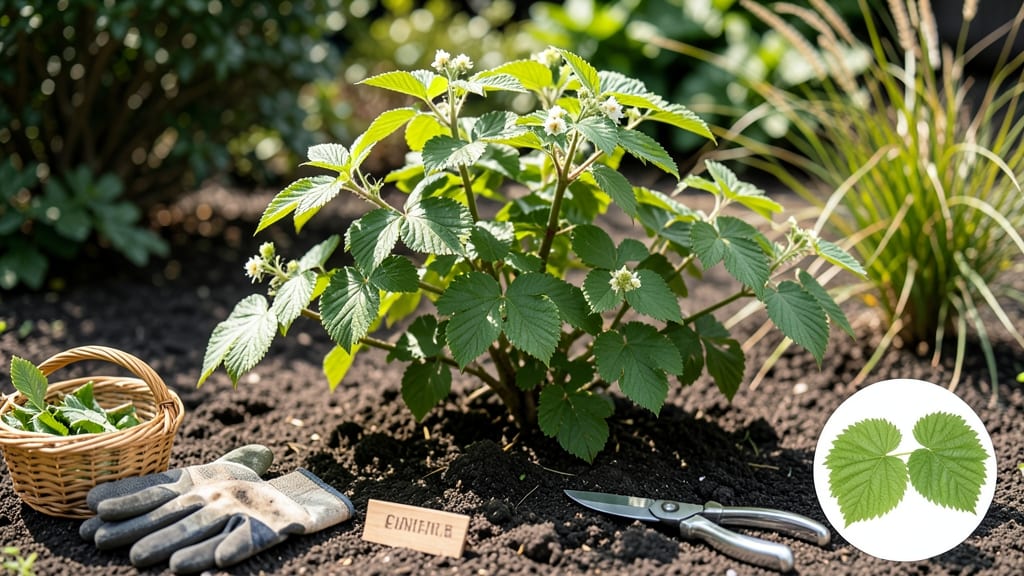
Harvesting raspberry leaves for tea unlocks a fragrant, earthy-citrus brew from your own yard. 🌿 The best time is early spring or after pruning—young, tender leaves pack the most flavor without bitterness. Skip flowering or fruiting branches, as they alter the taste.
You’ll need clean shears, a basket, and a drying rack (or oven). Start by snipping 3-4 inch stems with 3-4 leaves each—never take more than one-third of a plant’s foliage. Rinse leaves immediately to remove pests or dirt, then pat dry before drying.
Dried leaves keep for 6-12 months in airtight containers. Store them away from light and moisture. For tea, steep 1 tsp dried leaves in 8 oz hot water for 5-7 minutes. The result? A bright, herbal cup with hints of citrus and a touch of sweetness.
Sustainable harvesting means pruning in late winter or early spring. Avoid conventional plants if possible—pesticides can linger in leaves. And here’s a pro tip: freeze fresh leaves in ice cube trays for quick tea bags when you’re in a rush.
📚 In This Guide
- What you need
- Instructions
- Tips and common mistakes
- Wrapping up and next steps
What you need
- ● Fresh raspberry leaves – Harvest from organic, pesticide-free raspberry bushes (avoid leaves near roads or treated areas). Aim for 3–5 healthy leaves per plant to avoid over-harvesting.
- ● Sharp pruning shears or scissors – A pair of clean, sterilized shears (rubbing alcohol works great) to snip leaves without damaging the plant.
- ● Glass or ceramic container – A non-reactive container (like a mason jar or bowl) to hold your freshly picked leaves.
- ● Paper towels or a clean cloth – For gently patting leaves dry to remove dirt or dew.
- ○ Optional: Gloves – If you're sensitive to thorns or prefer extra hygiene while handling leaves.
- ● Drying rack or mesh screen – For air-drying leaves if you plan to store them long-term.
- ● Food-grade storage bags or jars – With airtight seals to preserve dried leaves for up to 6 months.
- ● Labeling tags – To mark your harvest date and location (especially useful if drying multiple batches).
- ● Small fan or dehydrator – For speeding up the drying process if you're short on time.
Step-by-step instructions for harvesting raspberry leaves for tea
Here's how to gather the finest raspberry leaves for a vibrant, citrusy herbal infusion.
🌿 Step 1: Identify and Select Healthy Raspberry Plants
Choose established raspberry canes that produce abundant fruit—these are your best leaf sources. Look for vibrant, deep green leaves without yellowing, spots, or signs of disease. The youngest, most tender leaves near the tips of new growth contain the highest concentration of volatile oils that give the tea its bright citrus notes.
Harvest only from organic plants if possible, as conventional pesticides can leave residues that transfer to your tea. If your plants are treated, wait until after rain has rinsed them clean or use a food-safe spray to decontaminate leaves before processing. I always test a small batch first to ensure the flavor isn't bitter from chemical exposure.
✂️ Step 2: Harvest Leaves at the Right Time
Timing is everything for flavor. Harvest leaves in the morning after the dew has evaporated but before the sun reaches peak intensity—this preserves their delicate citrusy aroma. The best harvest window is late spring to early summer, just as the canes begin flowering but before fruit sets heavily. Avoid harvesting after rain, as wet leaves bruise easily and develop mold.
Use clean, sharp pruning shears to snip leaves just above a leaf node. Never take more than one-third of the leaves from any single cane in a season—this maintains plant health and ensures future fruit production. I like to work in small batches, harvesting only what I can process fresh that same day to prevent oxidation.
💧 Step 3: Clean and Prepare Leaves for Drying
Rinse harvested leaves immediately under cool water to remove dirt and debris. Gently shake off excess moisture or pat dry with a clean kitchen towel—any remaining water will encourage mold during drying. Spread leaves in a single layer on clean, breathable towels or a mesh screen. This prevents them from sticking together and ensures even drying.
For the best flavor, dry leaves quickly in indirect sunlight or at 95-110°F in a food dehydrator. Avoid direct sunlight, which can scorch leaves and create bitter compounds. Check daily and stir gently to promote even drying. Leaves are ready when they crumble easily between your fingers—this typically takes 3-5 days depending on humidity levels.
☀️ Step 4: Store Dried Leaves Properly
Once completely dry, store leaves in airtight glass jars away from light and heat. I use small amber glass jars to protect the leaves from UV degradation, which can turn them bitter over time. Label each jar with the harvest date—freshly dried leaves develop peak flavor within 2-4 weeks of drying, then gradually lose potency.
For the best tea quality, use dried leaves within 6 months. To refresh older leaves, crush them lightly before steeping to release trapped oils. Store jars in a cool, dark pantry where temperatures remain below 70°F—this preserves their citrusy aroma and prevents moisture absorption, which can lead to mold.
Tips & tricks for perfect raspberry leaf harvesting
To get the most vibrant, citrusy tea from your raspberry leaves, these practical tips will help you avoid common pitfalls and maximize flavor potential.
Leaf Selection Strategy: Focus on harvesting the youngest, most tender leaves from the tips of new growth—these contain the highest concentration of volatile oils that create that signature citrusy aroma. The leaves should be a vibrant, deep green without any yellowing or brown spots. I always run my fingers along the cane to feel for the most pliable, freshest leaves before cutting. This attention to detail makes all the difference in flavor intensity.
Timing Secret: The morning after a dry night is your ideal harvest window. Dew has evaporated, preserving the delicate citrus compounds, but the sun hasn't reached peak intensity yet. I've found that harvesting between 7-9 AM gives the brightest flavor profile. Avoid harvesting after rain—wet leaves bruise easily and develop mold during drying, which can ruin your entire batch.
Drying Technique: For the best results, use a food dehydrator set to 95-110°F rather than direct sunlight. While sunlight might seem natural, it can scorch leaves and create bitter compounds that overpower the citrus notes. I like to check my dehydrator leaves daily and stir them gently to prevent sticking. When they crumble easily between your fingers after 3-5 days, they're ready for storage.
Storage Wisdom: Amber glass jars are your best friend for preserving flavor. They block UV light that causes oxidation and bitterness over time. I always label my jars with the harvest date—freshly dried leaves develop peak flavor within 2-4 weeks, then gradually lose potency. Store them in a cool, dark pantry where temperatures stay below 70°F to maintain that bright citrus aroma for up to 6 months.
Pro Tips for Harvest Raspberry Leaves For Tea
- To get the most vibrant, citrusy tea from your raspberry leaves, these practical tips will help you avoid common pitf...
- Leaf Selection Strategy: Focus on harvesting the youngest, most tender leaves from the tips of new growth—these conta...
- Timing Secret: The morning after a dry night is your ideal harvest window. Dew has evaporated, preserving the delicat...
Frequently asked questions
Got questions about harvesting raspberry leaves for tea? You’re not alone—let’s clear up the most common ones!
When is the best time to harvest raspberry leaves?
The ideal time is early spring (just before flowers bloom) or late summer (after fruiting). Avoid harvesting after frost or when pests are active. Young, tender leaves have the mildest flavor—perfect for tea!
Are there any toxic parts of the raspberry plant?
No worries! Raspberry leaves are completely safe when harvested correctly. However, avoid the roots (they contain cyanogenic glycosides) and never consume unripe berries. Stick to leaves and stems for tea.
How do I store harvested raspberry leaves for later use?
Dry them thoroughly in a well-ventilated area or use a dehydrator (set to 95°F/35°C). Store in an airtight container away from light. Properly dried leaves keep for 6–12 months. Freezing is another option—just crush lightly before brewing.
Can I use raspberry leaves from store-bought berries?
Unfortunately, no—store-bought raspberries are often treated with pesticides, which can linger on the leaves. Harvest from organic, pesticide-free plants in your garden or a trusted local source. Your tea (and health!) will thank you.
What if my tea tastes bitter?
Bitter flavor usually means the leaves were harvested too late or dried improperly. Try younger leaves or steep them for only 3–5 minutes in hot (not boiling) water. Adding a pinch of honey or lemon can also balance the taste.
Wrapping up and next steps
Harvesting raspberry leaves for tea is a rewarding way to enjoy nature’s bounty—rich in flavor, antioxidants, and wellness benefits! 🌿 With the right timing, tools, and care, you’ll craft a fragrant, earthy-citrus brew that’s perfect for sipping or sharing.
Whether you’re a gardener or a tea enthusiast, this guide makes it simple to turn your backyard into a harvest of health.
Now that you’re ready to harvest, why not experiment with your tea? Try blending raspberry leaves with complementary herbs like mint or chamomile, or explore different steeping methods to discover your perfect cup. Happy brewing! ☕✨