
Container Gardens
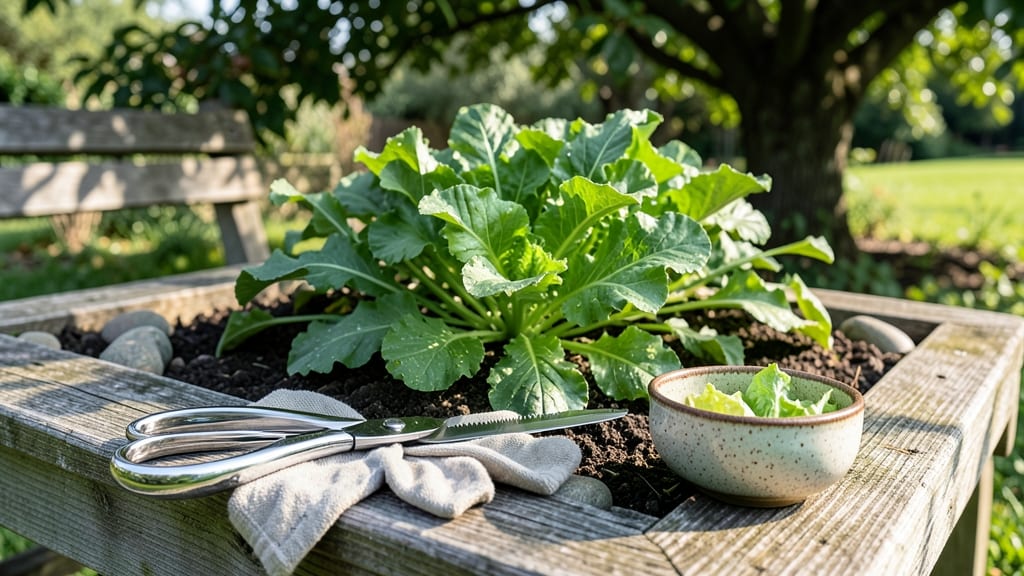
Learning how to cut lettuce so it keeps growing is the secret to turning a single planting into a steady stream of fresh greens—no replanting required. The key lies in knowing the right technique. One wrong snip can stunt your plant, while the perfect trim encourages lush regrowth for weeks.
Most gardeners make the mistake of cutting too close to the base or removing too many leaves at once, which stresses the plant.
But with the cut-and-come-again method, you can keep your 🥬 thriving in USDA Zone 6a (or beyond) by focusing on outer leaves and leaving the inner growth intact. This simple trick turns a single planting into a continuous supply of crisp greens.
What if you could extend your harvest from May through September without replanting? With succession planting and proper aftercare—like consistent watering and partial shade—you can turn your lettuce patch into a never-ending salad bar.
Let’s break down the exact steps to trim your lettuce like a pro while keeping it happy and productive.
Whether you’re a beginner or a seasoned gardener, these regrowth tricks will save you time, money, and the hassle of replanting. Ready to master the art of harvesting without sacrificing future growth? Let’s get started.
The perfect cutting technique to encourage lettuce regrowth
Lettuce regrowth starts with the right cutting technique. The key is to harvest leaves without damaging the center growing point, where new leaves emerge. This method, called cut-and-come-again harvesting, lets you enjoy fresh greens every 2-3 weeks from a single plant.
I’ve perfected this approach in my own garden, and it’s the secret to a never-ending salad bowl.
Before you grab your scissors, identify the outer leaves—these are the first to mature and the safest to trim. The inner leaves stay protected, allowing the plant to focus on regrowth.
Avoid cutting more than ⅓ of the plant at once, or you’ll stress the lettuce and slow down its recovery. Think of it like trimming your hair: you want to keep the roots healthy while shaping the outer layers.
Step-by-step cutting technique ensures your lettuce keeps growing. Here’s how I do it:
One common mistake I see is cutting leaves too close to the base or using dull tools. This can lead to browning edges or even plant death. Always sanitize your tools with a 10% bleach solution or rubbing alcohol before and after use to prevent the spread of disease.
Your lettuce will thank you with vibrant regrowth in just a few weeks.
After harvesting, inspect the plant for any signs of pest damage or disease. Remove any affected leaves immediately to protect the rest of the plant. If you notice yellowing or wilting, it might be time to adjust your watering schedule or provide some afternoon shade, especially in hot climates.
Lettuce is resilient, but it needs the right conditions to bounce back.
For Romaine lettuce, which has a more upright growth habit, you can also harvest by cutting the entire head just above the base. This works best if you’re ready to let the plant go or if it’s bolted.
However, for leaf lettuces like Butterhead or Oakleaf, stick to the cut-and-come-again method for continuous harvests. The key is consistency—harvest regularly, and your lettuce will reward you with a steady supply of fresh greens all season long.
Pro tip: If your lettuce starts to bolt (send up a flower stalk), don’t panic. You can still harvest the leaves before the stalk hardens. Bolt-resistant varieties like ‘Black Seeded Simpson’ or ‘Jericho’ are great choices for hot climates, as they’re less likely to bolt prematurely.
With the right technique, you’ll be enjoying homegrown lettuce for months, not just weeks.
🥬
The perfect cutting technique to encourage lettuce regrowth
Lettuce thrives when you use the cut-and-come-again method, which focuses on trimming outer leaves while preserving the inner growth point. This technique lets you harvest fresh greens every 10-14 days without sacrificing the plant’s ability to regrow.
The key is precision—cutting at the right angle and avoiding the center leaves where new growth emerges.
Start by selecting mature outer leaves (those measuring 4-6 inches long) for your first harvest. These leaves are fully developed and won’t hinder the plant’s ability to produce more.
Use a sharp pair of scissors or pruning shears to make clean cuts, as jagged edges can invite pests and disease. Never pull leaves—this can damage the delicate stems and stunt regrowth.
Select 3-4 outer leaves that are fully grown (4-6 inches). Avoid cutting leaves closer than 1 inch from the center.
Sanitize your scissors or pruners with rubbing alcohol to prevent bacterial spread. Dull tools crush stems, slowing regrowth.
Angle your cut just above a leaf node (where leaves meet the stem). This encourages water to drain away from the cut, reducing rot risk.
Never cut into the tight inner rosette of leaves. This is where new growth originates—damaging it kills the plant.
Removing too many leaves at once stresses the plant. Aim to take only 30% of the foliage per harvest to maintain energy for regrowth.
Water the base immediately after cutting and fertilize lightly with a balanced 5-10-10 mix to support recovery.
After harvesting, monitor your lettuce for signs of stress or disease. Yellowing leaves may indicate overharvesting or nutrient deficiency, while wilting could signal underwatering. If you notice browning edges, increase humidity by mulching around the base or using a shallow tray of water nearby.
This method works best with loose-leaf varieties like Romaine or Butterhead, which regrow more vigorously than tightly headed types.
For container-grown lettuce, rotate your pots every few days to ensure even sunlight exposure. Uneven light causes lopsided regrowth, where one side of the plant becomes leggy while the other stays stunted.
If your lettuce starts to bolt (send up a flower stalk), it’s a sign of stress—either from heat, drought, or over-maturity. In this case, harvest the entire plant immediately and replant seeds for a fresh batch.
With this technique, you’ll enjoy continuous harvests for 6-8 weeks per planting. The secret lies in patience and precision—treating your lettuce like a living crop rather than a one-time harvest. Soon, you’ll have a self-sustaining supply of fresh greens straight from your garden! 🥬