
Pruning
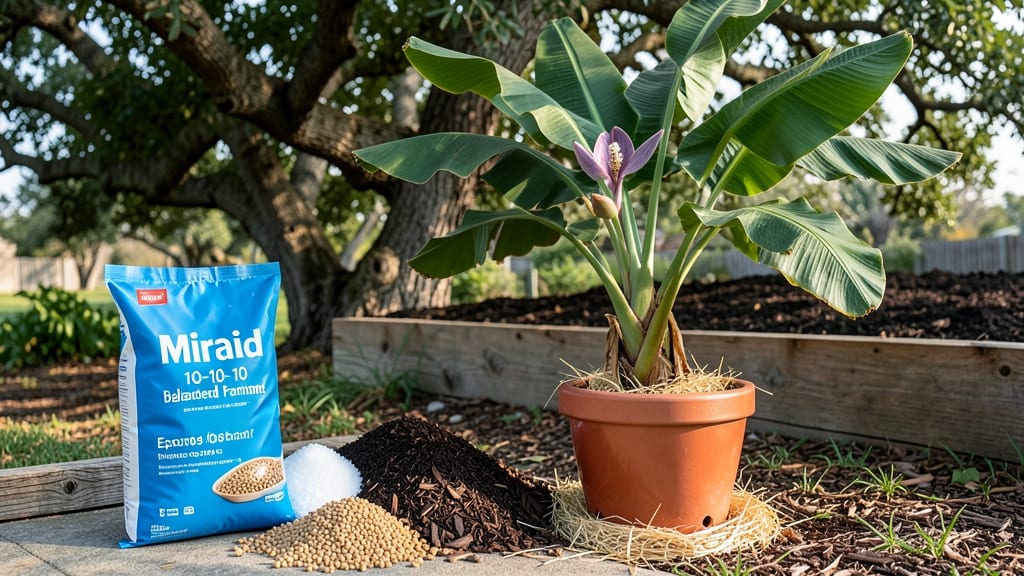
Your banana tree’s first flower spike means real bananas—not just decorative leaves. 🌿 How to get a banana tree to fruit starts with mimicking tropical conditions where these plants evolved.
I’ve watched mine go from stubborn stalks to heavy with fruit just by tweaking three things: sunlight, heat, and patience (the hardest part). Outdoor trees need full sun (6+ hours daily) and warmth (70°F+ consistently)—indoor growers must supplement with grow lights and heat mats.
Soil should drain well but stay moist, and a balanced fertilizer (high potassium) every 6 weeks after flowering signals the plant it’s time to fruit.
Most homegrown varieties take 18-24 months to mature enough to flower, but dwarf types like ‘Dwarf Cavendish’ can fruit in as little as 12 months. Once that dramatic flower spike appears, hand-pollinate with a soft brush to transfer pollen between blooms (banana flowers are hermaphroditic but benefit from help).
Protect it from cold drafts or pests—aphids love new growth. With care, you’ll harvest smaller but sweeter bananas than store-bought, straight from your own backyard. Indoor growers face extra hurdles: humidity (use a pebble tray) and space (trees need 8+ feet tall).
But the payoff—homegrown bananas—makes it worth the effort. Even if your first attempt doesn’t fruit, the journey teaches you how these tropical giants truly thrive.
📚 In This Guide
- What you need
- Instructions
- Tips and common mistakes
- Wrapping up and next steps
What you need
- ● Banana tree (Musa spp.) – Ensure it’s at least 3–5 years old and healthy, with a mature pseudostem (trunk). Varieties like Cavendish or Lady Finger are ideal.
- ● High-quality, well-draining potting mix – A blend of 60% peat moss or coconut coir, 30% perlite or coarse sand, and 10% compost (for container-grown trees). For in-ground planting, amend soil with compost or aged manure.
- ● Slow-release fertilizer – Look for a balanced 10-10-10 or 12-12-17 NPK ratio with micronutrients (like magnesium and potassium). Apply every 4–6 weeks during growing season.
- ● Organic mulch – Straw, wood chips, or pine needles (2–3 inches thick) to retain moisture and regulate soil temperature.
- ● Watering can or hose with a gentle spray nozzle – Banana trees need 1–2 inches of water weekly (more in extreme heat). Avoid soggy roots!
- ● Pruning tools – Sharp bypass pruners (for small shoots) and a pruning saw (for larger stems). Sterilize tools with rubbing alcohol to prevent disease.
- ● Sunlight access – A full-sun location (6+ hours/day) or a grow light (for indoor trees). Bananas are tropical—they crave heat!
- ○ Thermometer (optional but helpful) – Aim for daytime temps between 75–90°F (24–32°C) and nighttime temps above 60°F (15°C).
- ● Potassium-rich supplements – Banana peel tea (steep 3–4 peels in water for 24 hours) or Epsom salt (1 tbsp/gallon of water) to boost potassium and magnesium.
- ● Humidity tray or misting bottle – Bananas love 60–80% humidity. Place the tree on a pebble tray with water or mist leaves daily in dry climates.
- ● Floral stimulants – Fish emulsion or kelp extract (diluted per label) to encourage flowering. Apply every 2–3 weeks once the tree is mature.
- ● Heat mat or greenhouse setup – For indoor growers in cooler climates, a heat mat (set to 75°F) or mini greenhouse can mimic tropical conditions.
- ● Pollination aid – A soft paintbrush or cotton swab to manually pollinate flowers if no bees are present (critical for fruiting!).
Tips & tricks for banana tree fruit production
Here’s how to maximize your banana tree’s fruiting potential without common pitfalls.
Sunlight Strategy: Banana trees thrive on 6-8 hours of direct sunlight daily, but they also need afternoon shade in hot climates. If your tree isn’t fruiting, check for leaf scorch (brown edges) or pale leaves—signs of insufficient light. Position it where it gets morning sun and afternoon shade, especially in zones with intense afternoon heat.
Heat Management: Banana trees require warmth year-round, ideally between 70-90°F. If temperatures dip below 50°F, growth slows dramatically. Use frost cloths in cooler climates or move potted trees indoors during winter. A heat lamp near the base can stimulate flowering if your region has mild winters.
Watering Wisdom: Overwatering is the #1 killer of fruiting banana trees. Let the top 2-3 inches of soil dry out between waterings—soggy roots prevent flowering. Mulch heavily (3-4 inches) to retain moisture while protecting roots from temperature swings. Yellowing leaves often signal overwatering, while crispy edges mean underwatering.
Pollination Hack: Many banana varieties are self-pollinating, but hand-pollination boosts fruit set. Use a small paintbrush to transfer pollen from one flower to another in the morning when blooms are fresh. This works especially well for dwarf varieties like 'Dwarf Cavendish' that sometimes struggle with natural pollinators.
Pro Tips for Get Banana Tree To Fruit
- Here’s how to maximize your banana tree’s fruiting potential without common pitfalls.
- Sunlight Strategy: Banana trees thrive on 6-8 hours of direct sunlight daily, but they also need afternoon shade in h...
- Heat Management: Banana trees require warmth year-round, ideally between 70-90°F. If temperatures dip below 50°F, gro...
Frequently asked questions
Got questions about coaxing fruit from your banana tree? You’re not alone—growing bananas can feel like a puzzle! Below, we’ve rounded up the most common questions (and answers) to help you troubleshoot, time your efforts, and celebrate those sweet victories.
How long does it take for a banana tree to produce fruit?
A healthy banana tree typically takes 9–18 months from planting to fruiting, depending on the variety and growing conditions. Dwarf Cavendish bananas (common in home gardens) often fruit faster—sometimes in as little as 6–12 months—while larger varieties may take longer. Patience is key! Monitor your tree for flower stalks (inflorescences) as a sign it’s ready to fruit.
Why isn’t my banana tree flowering or fruiting?
Banana trees need consistent warmth (70–90°F), full sun (6+ hours/day), and proper nutrients to flower. Common culprits include:
- Cold temperatures (below 50°F can shock the tree).
- Insufficient sunlight (shady spots delay flowering).
- Nutrient deficiencies (lack of potassium or phosphorus).
- Immature trees (young plants may not fruit for 1–2 years).
Can I force a banana tree to fruit indoors?
Indoor banana trees (Musa basjoo or dwarf varieties) can fruit, but it’s challenging. You’ll need:
- A large pot (15+ gallons) with drainage.
- Grow lights (12–14 hours of bright light daily).
- Warmth (keep temps above 60°F year-round).
- High-potassium fertilizer (like banana-specific blends).
What should I do after my banana tree fruits?
Once your tree fruits, it will die back naturally (don’t panic—it’s normal!). Here’s what to do:
- Harvest fruit when 75% ripe (green bananas won’t sweeten after picking).
- Cut the fruit stalk at the base to redirect energy to new suckers.
- Fertilize lightly with balanced fertilizer to encourage regrowth.
- Watch for pups (suckers) at the base—these are your next trees!
How do I know if my banana tree is getting enough heat?
Banana trees thrive in heat (70–90°F) and struggle below 50°F. Signs your tree needs more warmth:
- Slow growth or stunted leaves.
- Brown tips on leaves (heat stress or cold damage).
- No flower stalks despite proper sunlight.
- Use row covers in cold snaps.
- Plant in protected microclimates (near fences/walls).
- For containers, move pots to sunny, sheltered spots.
Wrapping up and next steps
Growing bananas from your tree is all about patience, the right conditions, and a little TLC! 🌱 With proper sunlight, warmth, and occasional pruning, your banana plant can thrive and reward you with sweet, homegrown fruit.
Start small—focus on one step at a time, and soon, you’ll be enjoying the fruits of your labor (literally!).
Now that you’re armed with the know-how, why not share your progress? Snap a photo of your banana tree’s growth or blooms and tag us—we’d love to cheer you on!
And if you’re eager to expand your tropical garden, consider planting a few more banana trees for a lush, fruit-bearing paradise. Happy growing! 🍌✨