
Pests
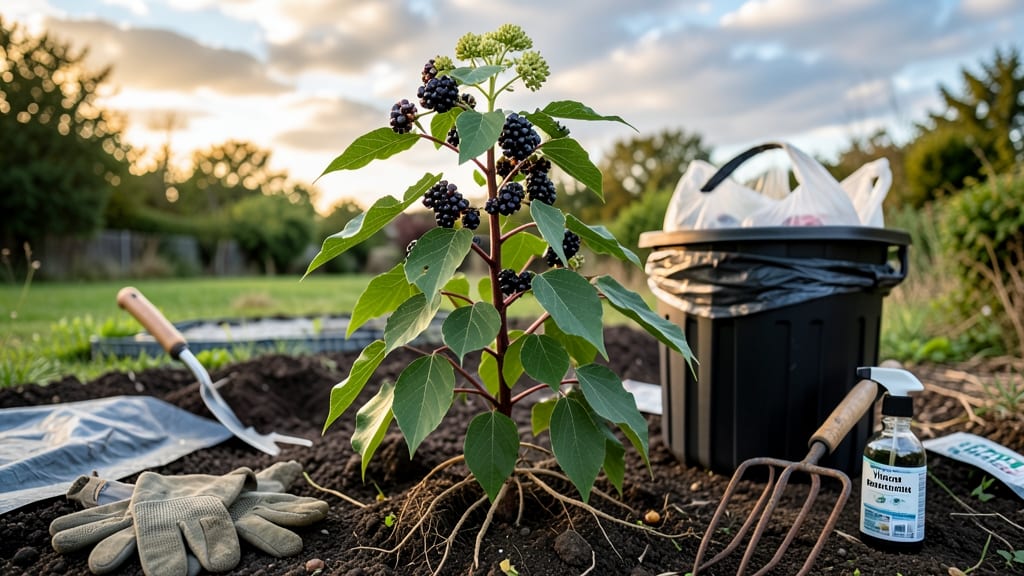
How to get rid of sticker bushes—those garden pests are the worst roommates, sticky, stubborn, and impossible to evict with regular tools. 🌱 I’ve battled these invasive plants for years, and the boiling water barrier method finally worked where everything else failed. It’s not just about pulling them out; it’s about destroying the roots so they don’t stage a comeback in two weeks.
The secret? A foolproof, chemical-free approach that kills the plant and its underground network in one go. You’ll need a kettle (or a pot of boiling water), a long stick, and a sunny day—no fancy equipment, just determination.
This method works best in early spring when the soil is soft and the plant is actively growing, making it easier to target the roots.
By the end of the process, your yard will be free of those clingy branches, and the roots will be permanently toasted—no regrowth, no second chances. The best part?
You’re not just removing a nuisance; you’re reclaiming your garden without harsh chemicals. Just be ready to sweat a little; this isn’t a lazy afternoon project.
If you’ve tried pulling, digging, or even herbicides with no luck, this is the game-changer you’ve been waiting for. It’s brutal, but it’s effective—and your garden will thank you for years to come. Let’s get those stickers out for good.
Natural Spread Of Stubborn Roots
Sticker bushes—those spiky, invasive plants also known as Cenchrus echinatus—don’t just pop up overnight. Their persistence is rooted in biology, and understanding why they take over helps you fight back smarter. Here’s the science behind their stubborn spread.
Sticker bushes are prolific seed producers, releasing thousands of tiny, barbed seeds per plant. These seeds aren’t picky—they hitchhike on:
- Animals: Fur, feathers, or even human clothing can carry seeds for miles.
- Wind: Lightweight seeds drift on breezes, landing in cracks, soil, or even pavement crevices.
- Water: Heavy rains wash seeds into gardens, lawns, and drainage areas.
- Machinery: Lawnmowers, tractors, and shoes unknowingly spread them when moving between areas.
Once lodged, these seeds germinate quickly—sometimes within days—if conditions are right (sunlight, moisture, and loose soil). Actionable tip: Inspect shoes, tools, and pets after outdoor trips to prevent accidental transport!
Sticker bushes don’t just rely on seeds—they spread via rhizomes, horizontal underground stems that act like natural pipelines. Here’s how it works:
- Root Expansion: Each plant sends out fibrous roots that can stretch 10+ feet from the parent, creating a dense web.
- Clonal Reproduction: Rhizomes grow new shoots at nodes, cloning the original plant. This means one plant can become dozens in a season.
- Deep Penetration: Roots burrow 3–5 feet deep, making them resistant to shallow removal methods like pulling.
Why it’s a problem: If you only cut the top growth, the rhizomes regenerate, leading to a cycle of regrowth. Pro tip: Target the entire root system—or they’ll bounce back faster than a superball!
Sticker bushes thrive in disturbed, nutrient-rich soil with:
| Factor | Why It Helps Them |
|---|---|
| Full Sun | They need 6+ hours of sunlight daily to photosynthesize efficiently. Shade slows growth but doesn’t stop it. |
| Poor Soil Compaction | Loose, sandy, or clay-heavy soil lets roots spread unchecked. Compacted soil (like in sidewalks) can trap them, making removal easier. |
| Drought Tolerance | Once established, they survive dry spells by going dormant, then rebound with rain. Overwatering can worsen spread by encouraging rhizome growth. |
| Lack of Competition | Grass or ground covers outcompete sticker bushes for resources. Bare soil = open invitation for invasion. |
Key takeaway: They exploit weaknesses in your landscape—like bare patches, construction zones, or over-fertilized areas. 💡 Fix it: Improve soil health with mulch or native ground covers to starve them out.
Birds, rodents, and even insects unintentionally aid their spread:
- Birds: Seed-eating species (like sparrows) drop uneaten seeds while foraging, creating new colonies.
- Rodents/Squirrels: They cache seeds for winter, then forget them—leading to surprise sprouts in spring.
- Insects: Beetles and ants transport seeds in search of food or shelter.
How to disrupt this: Use bird feeders away from gardens, secure trash cans (rodents love seeds!), and reduce leaf litter where pests hide.
Simple Fixes for Sticker Bushes
Sticker bushes—those stubborn, glue-like weeds—can turn your garden or driveway into a sticky mess. But don’t worry! With the right approach, you can tackle them effectively and keep them from returning.
Below, we break down practical solutions tailored to the root causes of sticker bush infestations, along with prevention tips to keep your space clean long-term.
---
If sticker bushes have already taken root, boiling water is your secret weapon. This method kills the plant at the base while also preventing regrowth by creating a natural barrier.
How to do it: 1. 🔥 Boil 1–2 gallons of water in a large pot or kettle. 2. 👨🍳 Carefully pour the boiling water directly onto the base of the sticker bush, ensuring it soaks the roots. 3. ⏰ Wait 5–10 minutes, then pull the plant out if possible. If not, repeat the process for 2–3 days in a row. 4. 🌱 Monitor the area—new shoots may appear, so repeat as needed.
Why it works: Boiling water denatures proteins in the plant, killing it instantly while also sterilizing the soil to prevent regrowth.
---
If you catch sticker bushes early, pulling them by hand can be the easiest solution—just be prepared for a little effort.
How to do it: 1. 👩🌾 Wear thick gloves (sticker residue is tough to remove!). 2. 🔪 Use a garden trowel or fork to loosen the roots before pulling. 3. 🧼 Rinse tools and hands with soapy water to remove any sticky residue. 4. 🗑️ Dispose of the weeds in a sealed bag (don’t compost them—they’ll regrow!).
Pro tip: 💡 Pull weeds when the soil is moist (after rain or watering) for easier removal.
---
Sticker bushes on hard surfaces? Vinegar is a natural herbicide that dissolves them without harsh chemicals.
How to do it: 1. 🍶 Mix 1 part white vinegar with 1 part water in a spray bottle. 2. 🌧️ Spray the solution directly onto the sticker bush, covering the entire plant. 3. ☀️ Wait 10–15 minutes, then scrub with a stiff brush if needed. 4. 💦 Rinse with water (optional, but helps remove residue).
Why it works: Vinegar’s acetic acid breaks down the plant’s cell structure, killing it on contact.
---
Once you’ve removed sticker bushes, prevent regrowth with these strategies:
- 🌱 Mulch heavily around garden beds to block sunlight (sticker bushes need light to grow). - 🔄 Regularly inspect and remove any new sprouts before they take hold. - 🌡️ Apply corn gluten meal (a natural pre-emergent) in early spring to prevent weed seeds from germinating. - 🚫 Avoid over-fertilizing—rich soil can encourage weed growth.
--- Final thought: Sticker bushes are tough, but with boiling water, vinegar, or manual removal, you can reclaim your space—fast! Stay vigilant, and they’ll never stand a chance. 🚀
Frequently asked questions
Why do sticker bushes keep coming back after I pull them?
These invasive plants spread through rhizomes—underground stems that can stretch 10+ feet and regenerate new shoots. Pulling only the top growth leaves roots intact, so they bounce back stronger. The boiling water barrier method kills the entire root system for good. Always treat the entire area where you see growth.
Can I use vinegar to kill sticker bushes on concrete or driveways?
Yes! Mix 1 part white vinegar with 1 part water and spray directly onto the plants. The acetic acid breaks down their cell structure. For tough spots, let it sit for 10-15 minutes before scrubbing. Just avoid spraying nearby plants—vinegar can harm them too. Repeat weekly until fully gone.
How do I prevent sticker bushes from spreading to other areas?
Start by disposing of pulled plants in sealed bags (never compost them!). Clean tools and shoes with soapy water after working in infested areas. Apply corn gluten meal in early spring to block seed germination. Mulch heavily around garden beds to starve out new growth. Vigilance is key—check for new sprouts weekly.
Is boiling water safe for my lawn or garden plants?
No—only use boiling water on bare soil or sticker bush patches. The high heat can damage nearby plants. For lawns, spot-treat carefully and avoid overspray. A safer alternative is vinegar solution (1:1 ratio) which targets only the weeds when applied precisely. Always test a small area first. Protect your desirable plants!
What's the best time of year to remove sticker bushes?
Early spring or fall are ideal because the soil is soft and plants are actively growing. In summer, they become drought-tolerant and harder to kill. Avoid winter—frozen ground makes removal difficult. For maximum effectiveness, treat them when they're 6-12 inches tall but before they seed. Timing makes all the difference!