
Shrubs
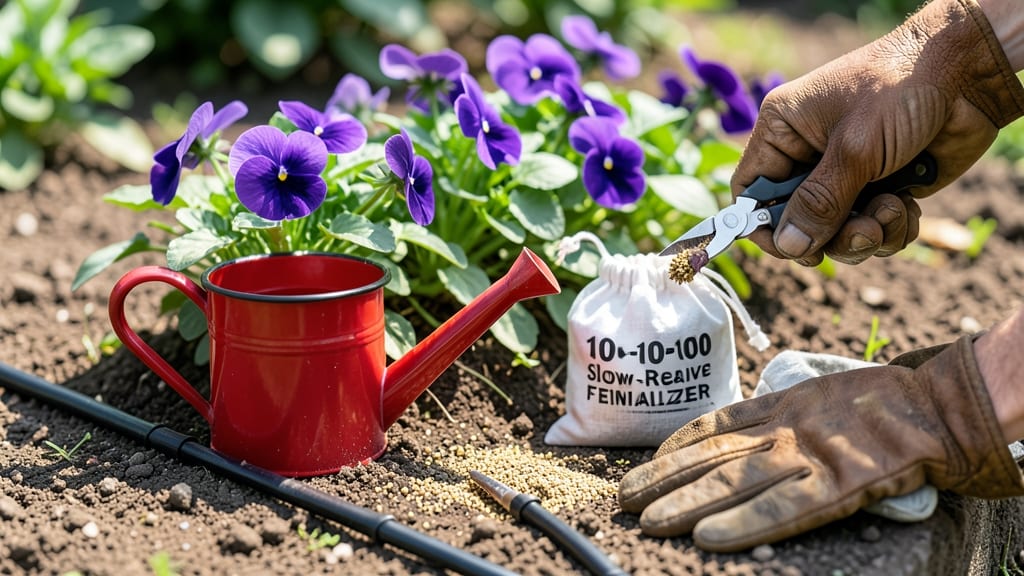
How to keep pansies flowering—this is how you get it. 🌸 The secret isn’t just deadheading (though that helps), but a combo of smart pruning, feeding, and shielding them from summer’s worst heat. I’ve turned my pansies from one-time bloomers into nonstop showstoppers for months, and I’ll show you exactly how.
Start with regular deadheading—pinch off spent blooms at the base, not just the stems. Then, every 2-3 weeks, give them a light trim to encourage new growth.
Use a balanced fertilizer (10-10-10) every 4-6 weeks to keep them fed, and mulch to retain moisture. The key? Morning watering—evening water can lead to fungal issues.
When heat waves hit, provide afternoon shade (a simple shade cloth works) and avoid fertilizing—plants focus on survival, not blooms. With these tweaks, your pansies will stay lush and blooming from early spring until late fall, even in tough climates. No more sad, leggy stems or faded flowers.
This method works for in-ground beds, containers, and hanging baskets—just adjust spacing (10-12 inches apart) to prevent overcrowding. The payoff? Weeks of vibrant color with minimal extra work. Let’s make those pansies last!
📚 In This Guide
- What you need
- Instructions
- Tips and common mistakes
- Wrapping up and next steps
What you need
- ● Pansy plants: Healthy, established pansies (choose cold-hardy varieties like Viola × wittrockiana for best results).
- ● Pruning shears: Sharp, clean bypass pruners (avoid anvil pruners—they crush stems).
- ○ Balanced fertilizer: A 10-10-10 or 20-20-20 NPK ratio (water-soluble or granular). Optional: Slow-release fertilizer like Osmocote for convenience.
- ● Watering can or hose: With a gentle spray nozzle to avoid damaging flowers.
- ● Mulch: Organic mulch (e.g., shredded bark or straw) to retain moisture and regulate soil temperature.
- ● Shade cloth: 30-50% shade fabric (for heat protection; 4’x8’ sheets work well).
- ● Gloves: Gardening gloves to protect hands from thorns or soil.
- ● Epsom salt: 1 tbsp per gallon of water (magnesium boost for vibrant blooms).
- ● Compost or worm castings: For natural soil enrichment (mix 1-2 inches into the topsoil).
- ● Plant supports: Small stakes or cages if pansies flop in wind/rain.
- ● pH test kit: To check soil acidity (ideal range: 5.5-6.5 for pansies).
- ● Pest control: Neem oil or insecticidal soap (for aphids or spider mites).
Step-by-Step instructions for prolonged pansy bloom
Here's the method I've used to keep my pansies flowering through spring and fall—even in tricky heat.
✂️ Step 1: Deadhead Regularly to Encourage New Blooms
Pansies are heavy bloomers, but they need your help to keep producing flowers. The moment a bloom fades and its petals begin to drop, pinch it off at the base with your fingers or clean pruners. This prevents seed formation and redirects the plant's energy into fresh buds instead.
I like to do this every 2-3 days during peak bloom season. You'll notice new buds forming at the base of the plant within 3-5 days of consistent deadheading. The key is to stay ahead—once a flower fully opens and begins to wilt, it's already past its prime for seed production.
💧 Step 2: Water Deeply at Soil Level to Avoid Stress
Pansies wilt dramatically when thirsty, but overwatering causes root rot just as quickly. Water at the base of the plant in the early morning using a gentle stream or soaker hose. Aim for 1 inch of water per week, delivered in 2-3 sessions rather than one heavy soaking.
Watch for slightly dry soil 1 inch below the surface as your signal to water. Mulch with 1-2 inches of organic matter (like shredded bark) to retain moisture and protect roots from temperature swings. Avoid overhead watering—wet foliage invites fungal diseases like powdery mildew.
☀️ Step 3: Provide Afternoon Shade During Heat Waves
Pansies thrive in cool weather (50-75°F), but they'll sulk and stop blooming when temperatures climb above 80°F. During summer heat, shield plants from 12-4 PM sun using shade cloth (30-50% coverage) or by moving containers to a sheltered spot.
You'll see immediate improvement: leaves stop yellowing, stems remain upright, and buds hold their color instead of bleaching. If you can't move plants, use a temporary shade structure like a patio umbrella or even a white bedsheet draped overhead. The goal is to keep foliage from wilting—pansies will bounce back quickly once temperatures drop below 75°F.
🌿 Step 4: Fertilize Lightly Every 3-4 Weeks
Use a balanced, water-soluble fertilizer (10-10-10 or 20-20-20) diluted to half-strength. Feed plants every 3-4 weeks during active growth (spring and fall). Avoid high-nitrogen fertilizers—they promote leafy growth at the expense of flowers.
I like to fertilize right after deadheading to give the plant a nutrient boost for its next flush of blooms. You'll notice stronger stems and more vibrant flower colors within 1-2 weeks of feeding. Always water thoroughly before and after fertilizing to prevent root burn.
🔄 Step 5: Refresh Plants Mid-Season for a Second Bloom
By mid-season, pansies often look tired and produce fewer flowers. To revive them, trim the entire plant back by one-third using clean pruners. Cut just above a set of healthy leaves to encourage bushier growth. This pruning shock triggers a second round of blooming within 3-4 weeks.
After pruning, feed with a low-nitrogen, high-phosphorus fertilizer (5-10-5) to promote flowering. You'll see new growth emerge from the base within 10-14 days, followed by fresh buds. This mid-season refresh extends your pansy display by 4-6 weeks in ideal conditions.
Tips & tricks for prolonged pansy bloom
These simple adjustments will help your pansies thrive and keep producing vibrant blooms all season.
Pruning Precision: When deadheading in Step 1, focus on removing the entire flower stem down to the first healthy leaves—this is where new buds form. I've found that using sharp pruners instead of fingers prevents damage to the stem and makes the process faster. The key is consistency: those 2-3 day intervals during peak bloom create a feedback loop where the plant continuously produces new flowers. Watch for the fresh buds forming within 5-7 days as your confirmation that you're doing it right.
Heat Wave Protection: The 85°F threshold in Step 3 is critical—this is when pansies start to stress. I've learned to set up my shade cloth before temperatures reach this point, especially in late afternoon when heat is most intense. A lightweight row cover works perfectly, but even a piece of sheer fabric can make a difference. The goal is to keep leaves cool while still allowing enough light for photosynthesis. Remove the shade when temperatures drop below 80°F to maintain proper light exposure.
Fertilizer Timing: The 3-4 week feeding schedule in Step 4 is ideal, but I've noticed that pansies respond even better when fertilized right after a deep watering. This prevents root burn and ensures nutrients are immediately available. Look for those fresh buds appearing within 7-10 days as your sign that the plant is thriving. In late summer, I reduce to every 6 weeks since growth naturally slows—this prevents over-fertilization which can actually reduce flowering.
Container Refresh Strategy: For container-grown pansies, I've developed a system where I refresh the top 2 inches of soil every 4-6 weeks using a mix of potting soil and compost. This prevents nutrient depletion while maintaining good drainage. The key is to water thoroughly after transplanting to help roots establish quickly in their new environment. For garden beds, dividing crowded plants in early spring gives them the space they need to produce more blooms.
Pro Tips for Keep Pansies Flowering
- These simple adjustments will help your pansies thrive and keep producing vibrant blooms all season.
- Pruning Precision: When deadheading in Step 1, focus on removing the entire flower stem down to the first healthy lea...
- Heat Wave Protection: The 85°F threshold in Step 3 is critical—this is when pansies start to stress. I've learned to ...
Frequently asked questions
Got questions about keeping your pansies blooming all season? Here are some of the most common concerns—and their answers—to help you troubleshoot and succeed!
Why do my pansies stop flowering in hot weather?
Pansies are cool-season plants, so heat stress (temps above 75°F/24°C) triggers dormancy. To revive them, move pots to shade, water deeply in the morning, and mulch to keep roots cool. Deadheading spent blooms also encourages new flowers—just avoid pruning in extreme heat!
How often should I prune pansies to promote more blooms?
Prune lightly every 2–3 weeks by snipping just above the next set of leaves (never more than ⅓ of the plant). Focus on deadheading (removing faded blooms) to redirect energy to new flowers. Avoid heavy pruning—pansies are delicate and may struggle to rebound if overtrimmed.
Can I keep pansies flowering indoors near a window?
Yes! Place them in a bright, north- or east-facing window (south/west can scorch them). Use a self-watering pot to prevent drying, and fertilize every 4–6 weeks with a balanced liquid fertilizer (10-10-10). Rotate the pot weekly for even light exposure—indoor pansies may need grow lights for 12+ hours/day in winter.
What should I do if my pansies get aphids or powdery mildew?
For aphids, blast them off with a strong spray of water or use insecticidal soap. For powdery mildew (white fuzzy spots), improve airflow, water at the base (not leaves), and apply neem oil or a fungicide. Prevent recurrence by spacing plants 6–12 inches apart and avoiding overhead watering.
Are there long-blooming pansy alternatives for hot climates?
If pansies struggle in heat, try these heat-tolerant alternatives:
- Violas (pansy cousins) – Thrive in temps up to 80°F/27°C.
- Calendula – Bright blooms and edible petals!
- Zinnias – Drought-resistant and long-lasting.
- Sweet Alyssum – Fragrant, low-growing, and heat-friendly.
Wrapping up and next steps
Keeping your pansies blooming beautifully is all about a little care and consistency—pruning spent flowers, feeding them regularly, and protecting them from extreme heat. With these simple steps, your pansies will reward you with nonstop color all season long! 🌸
Now that you’re armed with the know-how, roll up your sleeves and give your pansies the love they deserve. Grab your shears, check that fertilizer, and enjoy the showy results! Ready to transform your garden into a floral paradise? Start today!