
How To
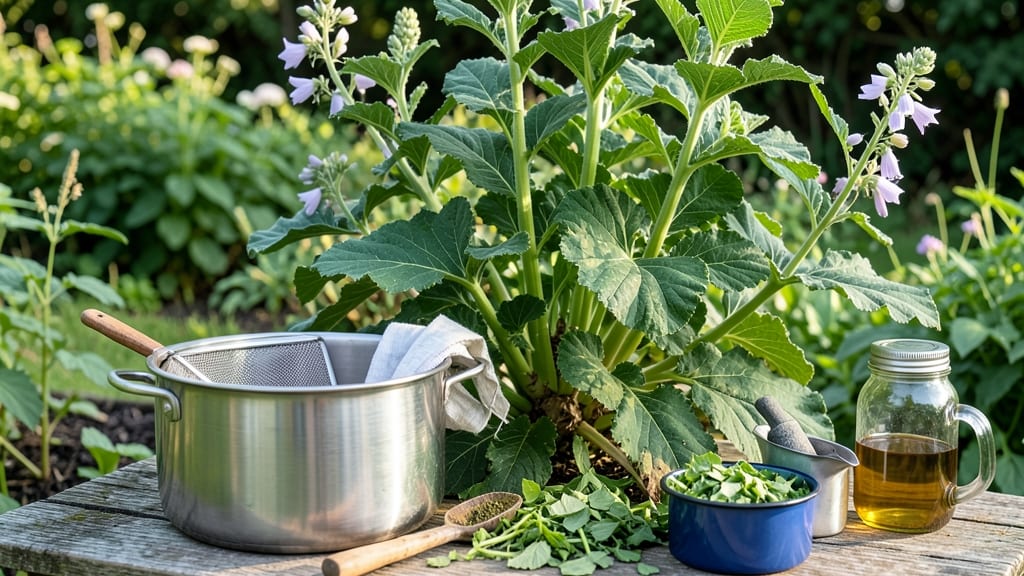
Comfrey tea is the gardener’s secret weapon for lush, nutrient-rich soil. 🌱 I’ve used it for years to revive tired garden beds—this potassium-packed infusion replaces chemical fertilizers while feeding plants exactly what they need.
The process is simpler than you’d think, and the results speak for themselves: stronger stems, deeper greens, and plants that thrive even in poor soil.
Start with fresh comfrey leaves (harvest from young, leafy growth) and steep them in water—either cold for gentle feeding or hot for a stronger brew. After straining, dilute the tea before applying to avoid burning plant roots.
One gallon of tea can feed a 10-square-foot area, making it cost-effective and easy to store for later use.
The benefits go beyond soil: this tea boosts compost piles, acts as a natural mulch, and even helps break down thatch. Just avoid using it on edible crops (it’s not safe for human consumption), and you’ll have a garden that looks like it’s been pampered by a pro.
Ready to try it?
For best results, apply every 4-6 weeks during growing season, and always let it cool before using. The smell alone—earthy and fresh—tells you it’s working. Your plants will thank you with healthier growth and fewer pests.
📚 In This Guide
- What you need
- Instructions
- Tips and common mistakes
- Wrapping up and next steps
What you need
- ● Dried comfrey leaves – 1–2 tablespoons (organic, pesticide-free preferred for safety). Note: Avoid using fresh leaves, as they contain toxic pyrrolizidine alkaloids (PAs) in high concentrations.
- ● Fresh, filtered water – 1 cup (8 oz / 240 mL). Avoid tap water if it has strong chlorine or sulfur odors.
- ● Teapot, saucepan, or French press – A heat-safe container for steeping.
- ● Strainer or fine-mesh sieve – To filter out leaf particles (or use a reusable tea infuser).
- ● Mug or heatproof cup – For serving your tea.
- ● Honey or maple syrup – 1 tsp to sweeten (comfrey has a naturally earthy taste).
- ● Lemon juice – A squeeze to brighten the flavor.
- ● Herbal companions – 1 tsp each of chamomile, peppermint, or nettle for a blended tea experience.
- ○ Thermometer (optional) – To monitor water temperature (195–205°F / 90–96°C is ideal for extraction).
- ● Glass jar – For storing dried comfrey leaves (if making a batch for later use).
Step-by-step instructions for making comfrey tea
Here's how I prepare this nutrient-rich infusion that works wonders for both garden and skin.
🌿 Step 1: Harvest and Prepare Fresh Comfrey Leaves
Pick young, vibrant leaves from organic comfrey plants in the morning when the dew is still on them. Avoid older, woody stems—they contain higher levels of pyrrolizidine alkaloids, which can be harmful in large doses. I like to harvest about 2 cups of leaves for each quart of water I plan to use. Rinse them gently under cool water to remove dirt or insects, then pat dry with a clean towel.
Don't use leaves that look yellowed, spotted, or damaged—they may harbor mold or disease. The fresher the leaves, the more potent and effective your tea will be. You'll know you've got good leaves when they feel firm and smell fresh, with a slightly earthy aroma.
💧 Step 2: Chop and Steep the Leaves
Tear or chop the leaves into ½-inch pieces to increase surface area for steeping. Place them in a clean glass jar or bowl, then pour enough filtered water to completely cover the leaves—about 1 quart of water per 2 cups of leaves. I use filtered water because chlorine can affect the tea's potency.
Cover the container loosely with a lid or cloth to keep out debris while allowing gases to escape. Place it in a sunny spot or on a warm windowsill. After 24 hours, you'll notice the water turning a rich, amber color—that's your signal the nutrients are leaching out. The longer you steep it (up to 48 hours), the stronger the tea becomes, but don't exceed that time.
☀️ Step 3: Strain and Store the Tea
After steeping, strain the liquid through a fine-mesh sieve or cheesecloth into a clean glass container. Press the leaves gently to extract every last drop of liquid—you want to maximize the nutrient content. The strained leaves can be composted or returned to the garden as a nutrient boost.
Store the comfrey tea in a cool, dark place. It will keep for about 1-2 weeks in the refrigerator, though the potency diminishes over time. For garden use, you can dilute it with water (1 part tea to 3 parts water) to create a nutrient-rich fertilizer. For skin applications, use it undiluted within a week for the best results.
✂️ Step 4: Apply to Soil or Skin
For garden use, pour the tea directly onto the soil around your plants, focusing on the root zone. Water deeply afterward to help distribute the nutrients. I apply it every 2-4 weeks during the growing season, especially for compost piles, leaf mold, or as a liquid fertilizer for heavy feeders like tomatoes and corn. You'll see lush, vibrant growth within a few weeks of regular use.
For skin applications, apply the undiluted tea to areas with eczema, rashes, or minor burns using a clean cloth or cotton ball. Let it sit for 10-15 minutes before rinsing with cool water. The tea's anti-inflammatory properties help soothe irritated skin, but always do a patch test first to check for sensitivity. If your skin feels tingling or itchy, rinse immediately and discontinue use.
Tips & tricks for perfect comfrey tea
Making comfrey tea is simpler than you think—once you know these little secrets that make all the difference.
Harvesting Know-How: Always harvest comfrey leaves in the morning when they're still dew-covered. This is when their nutrient content is at its peak. I like to use a pair of clean kitchen scissors to snip the leaves just above a leaf node—this encourages bushier growth. Avoid any leaves with holes, yellowing, or signs of pests, as these can compromise the tea's quality. The younger, more tender leaves work best for both garden and skin applications.
The Steeping Strategy: The 24-hour steeping time is your baseline, but don't be afraid to push it to 48 hours for a stronger infusion—just don't exceed that. I've found that placing the container on a sunny windowsill speeds up the process slightly, especially during warm months. If you're in a cooler climate, a slightly warmer spot (like near a south-facing window) can help maximize nutrient extraction. The rich amber color is your visual cue that the nutrients are properly leaching out.
Storage Wisdom: For garden use, you can store your comfrey tea in the refrigerator for up to 2 weeks, but I've noticed the nutrient potency starts diminishing after about 10 days. If you're making it specifically for skin applications, use it within a week for the best results. For longer storage, consider freezing the tea in ice cube trays—this preserves the potency for up to 3 months. Just thaw what you need before use.
Application Tip: When applying comfrey tea to your skin, always do a patch test first, especially if you have sensitive skin. I like to apply it to a small area of my forearm and wait 24 hours to check for any reactions. For garden use, I've found that applying it in the early morning helps prevent evaporation and allows the nutrients to be absorbed more effectively by the plants. The tea works wonders on compost piles too—just mix it in with your compost materials.
Pro Tips for Make Comfrey Tea
- Making comfrey tea is simpler than you think—once you know these little secrets that make all the difference.
- Harvesting Know-How: Always harvest comfrey leaves in the morning when they're still dew-covered. This is when their ...
- The Steeping Strategy: The 24-hour steeping time is your baseline, but don't be afraid to push it to 48 hours for a s...
Frequently asked questions
about making comfrey tea—let’s clear up any lingering questions so you can brew with confidence! Whether you’re a first-timer or a seasoned herbalist, these answers will help you get the most out of your infusion.Can I use dried or fresh comfrey leaves for tea?
Both work! Fresh leaves pack a stronger flavor and nutrients, but dried leaves (stored properly) are more convenient and last longer. For tea, dried leaves are ideal—simmer 1–2 teaspoons per cup of water for 10–15 minutes. Fresh leaves require a shorter steep (5–10 minutes) to avoid bitterness.
How long does comfrey tea stay fresh?
Comfrey tea is best consumed fresh, but you can store it in the fridge for up to 24 hours in an airtight container. For longer shelf life, freeze it in ice cube trays (thaw before use). Avoid reheating—always make a fresh batch for the best flavor and potency.
Is comfrey tea safe to drink daily?
While comfrey has incredible benefits, it contains pyrrolizidine alkaloids (PAs), which can be harmful in large or prolonged doses. Limit consumption to 1–2 cups per week for short-term use (e.g., skin healing) or consult a healthcare provider before daily use. Pregnant women and children should avoid it entirely.
What’s a good substitute if I don’t have comfrey?
If comfrey isn’t available, try these milder alternatives for skin-soothing or nutrient-rich teas:
- Plantain – Anti-inflammatory, great for skin irritations.
- Calendula – Gentle, soothes rashes and minor wounds.
- Nettle – Rich in minerals, supports overall health.
- Chamomile – Calming, ideal for stress or digestion.
Why does my comfrey tea taste bitter?
Bitterness usually means oversteeping or using too many leaves. To fix it:
- Reduce steep time to 5–10 minutes (fresh leaves) or 10–15 minutes (dried).
- Use 1 tsp dried leaves per cup (or less).
- Add a touch of honey or lemon to balance the flavor.
- Try a cold infusion (steep overnight in the fridge) for a milder taste.
Wrapping up and next steps
Making comfrey tea is a simple yet powerful way to harness nature’s healing properties—whether for your skin, garden, or overall wellness. With just a few fresh or dried leaves and a little patience, you’ve got a versatile remedy that’s as rewarding to prepare as it is beneficial to use. 🌿✨
Now that you’re equipped with the know-how, why not take the next step? Experiment with different infusion methods (like cold brewing for stronger potency) or explore other comfrey-based recipes, such as salves or fertilizers. Your journey into herbal wellness has just begun—keep growing, keep healing!