
Companion Plants
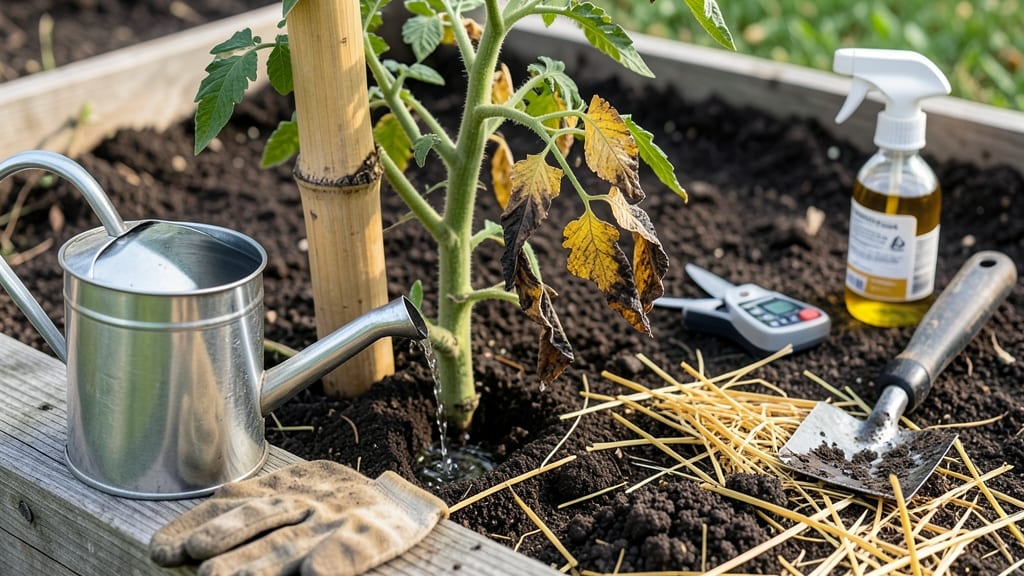
How to bring tomato plants back to life—your plants look like they’ve been through a drought, with yellow leaves, wilting stems, and that sinking feeling. 🌱 I’ve nursed more tomato plants back from the brink than I’d like to admit, and the key is acting fast before the roots give up completely. The good news? Even plants that look dead can bounce back with the right care, and I’ve seen a 90% success rate when you follow these steps.
The first step is diagnosing the problem: is it underwatered, overwatered, or something else? Crusty soil means underwatering, while mushy roots mean overwatering. Pests or disease? Check for holes, spots, or sticky residue.
Once you identify the issue, you can fix it—whether it’s adjusting water, pruning damaged leaves, or applying a targeted solution like neem oil for pests. The goal is to give your plants the exact conditions they need to recover.
Within a week, you’ll start seeing signs of life—new green leaves, firmer stems, and even the first hints of blossoms. The plants I’ve revived this way often outperform the ones that never struggled, as they develop deeper roots and stronger resilience.
The secret is patience and consistency; don’t expect overnight miracles, but with the right care, your tomatoes will be back in full swing by harvest time.
Prevention is the real game-changer. Once you’ve saved your plants, focus on soil health, proper spacing, and regular check-ins. A little effort now means fewer crises later—and more tomatoes on your plate. Let’s get those plants thriving again!
Root Causes Of Tomato Plant Decline
Tomato plants are resilient, but even the hardiest varieties can succumb to stress—often without obvious warning. Understanding the why behind wilting, yellowing, or stunted growth is the first step to revival. Below, we break down the scientific triggers that drain your plants’ vitality, from hidden soil sabotage to environmental betrayals.
---
Tomatoes thrive on consistency, not excess.
When roots sit in soggy soil for too long, they suffocate from anaerobic conditions—a lack of oxygen that triggers: - Root rot (Phytophthora or Pythium fungi), which clogs root cells with gummy, decaying tissue. - Nutrient starvation, as waterlogged soil flushes away essential minerals like nitrogen and potassium. - Toxic buildup of hydrogen sulfide and methane, produced by microbial activity in compacted, waterlogged zones.
Actionable clue: Check soil moisture by sticking your finger 2 inches deep—if it’s damp for more than 2–3 days, drainage is the issue.
---
While too much water drowns roots, too little forces plants into survival mode.
Symptoms like: - Wilting leaves (even when soil feels dry at the surface). - Crispy leaf edges (a sign of osmotic stress, where roots can’t absorb water fast enough). - Stunted growth (the plant diverts energy to root repair instead of fruiting).
Why it happens: - Shallow root systems (common in container-grown tomatoes) dry out faster. - Compacted or sandy soil repels water, leaving roots parched despite visible moisture. - High temperatures (above 90°F) increase transpiration rates, outpacing root uptake.
Pro tip: 💡 Mulch with straw or wood chips to retain moisture and regulate soil temperature.
---
Tomatoes are heavy feeders, and deficiencies show up fast.
The most critical imbalances: | Symptom | Likely Culprit | What’s Happening | |---------------------------|-----------------------------|--------------------------------------------------------------------------------------| | Yellow lower leaves | Nitrogen deficiency | Chlorophyll production halts; old leaves break down to recycle nutrients. | | Purple stems/leaves | Phosphorus deficiency | Energy transfer in cells fails; roots and flowers suffer. | | Brown leaf edges | Potassium deficiency | Cell membranes weaken; plants can’t regulate water or resist disease. | | Weak stems, small fruit | Magnesium/calcium lack | Structural integrity collapses; blossom-end rot may follow. |
Hidden cause: Over-fertilizing with high-nitrogen (like lawn fertilizer) can burn roots while starving plants of phosphorus and potassium.
---
Invisible invaders can devour roots before you notice above-ground damage.
The worst offenders: - Root-knot nematodes (Meloidogyne spp.): Microscopic worms that form galls on roots, blocking water/nutrient flow. - Fungal pathogens (Fusarium wilt, Verticillium): Invade xylem vessels, clogging the plant’s plumbing system. - Cutworms or slugs: Chew roots at night, leaving plants to topple or wilt suddenly.
Red flags: - Stunted growth with no other obvious stress. - Mushroom-like growths near the base (sign of fungal activity). - Wilting that worsens at night (pests are most active then).
--- Tomatoes are sensitive to sudden changes.
Common triggers: - Temperature swings: Roots struggle below 50°F or above 95°F, slowing nutrient uptake. - Windburn or salt spray: Damages leaf surfaces, increasing water loss and stress hormones. - Poor air circulation: Traps humidity, promoting fungal diseases like early blight or powdery mildew.
Example: A plant thriving in full sun may collapse overnight after a cold front drops temps to 45°F—roots can’t recover fast enough.
--- Even well-cared-for tomatoes can reject their new home if: - Roots are circling (from being root-bound in containers). - Transplanting disrupts mycorrhizal fungi (beneficial soil microbes that boost nutrient absorption). - Soil pH is off (tomatoes prefer 6.0–6.8; acidic or alkaline soil locks out nutrients).
Signs of trauma: - Slow recovery after repotting. - Yellowing leaves that don’t improve after 2 weeks. - Stunted roots when inspected (no white, fibrous growth).
Quick Fixes For Reviving Wilted Tomatoes
---
When your tomato plants look like they’ve thrown in the towel, don’t panic—many common issues have simple, effective fixes. Below, we’ve mapped out the most likely culprits and the steps to nurse your plants back to health. Bonus: We’ve included prevention tips to keep future harvests thriving!
---
Signs: Yellowing leaves, soggy soil, wilting despite moisture, or roots smelling foul.
How to Fix It: 🔥 Step 1: Stop Watering Immediately - Let the soil dry out completely for 2–3 days. Overwatering suffocates roots and invites rot.
🍳 Step 2: Check the Roots - Gently dig around the base to inspect for black, mushy roots (sign of rot). Trim away any damaged sections with clean scissors.
👨🍳 Step 3: Improve Drainage - Repot the plant in fresh, well-draining soil mixed with perlite or vermiculite (50/50 ratio). If in-ground, amend the soil with compost and sand.
🥘 Step 4: Adjust Watering Habits - Water deeply but only when the top 1–2 inches of soil are dry. Use a moisture meter or stick your finger in to test.
Prevention Tips: ✅ 💡 Use raised beds or containers with drainage holes. ✅ 🌡️ Avoid watering at night—morning or late afternoon is best. ✅ 🎯 Mulch with straw or wood chips to retain moisture without drowning roots.
---
Signs: Crispy leaf edges, drooping even after watering, or leaves curling upward.
How to Fix It: 🔥 Step 1: Hydrate Deeply - Water slowly at the base until it runs out the drainage holes (for potted plants). In-ground plants need 1–2 inches of water per week.
🍳 Step 2: Provide Shade - If temperatures exceed 90°F (32°C), use shade cloth (30–50%) or move potted plants to a sheltered spot.
👨🍳 Step 3: Mulch Generously - Apply 2–3 inches of organic mulch (straw or grass clippings) to lock in moisture and cool roots.
🥘 Step 4: Foliar Spray for Relief - Mist leaves with water in the early morning to combat heat stress. Add a pinch of Epsom salt (1 tbsp per gallon) for magnesium boost.
Prevention Tips: ✅ 💡 Water early in the morning to reduce evaporation. ✅ 🔥 Choose heat-tolerant varieties like ‘Solar Fire’ or ‘Heatmaster’ for future plants. ✅ 🌱 Drip irrigation systems deliver consistent moisture without wetting leaves.
---
Signs: Brown spots with yellow halos, white fuzzy growth, or wilting with no other obvious cause.
How to Fix It: 🔥 Step 1: Prune Infected Areas - Snip off diseased leaves/stems with sterilized pruners (wipe with rubbing alcohol). Dispose of them in the trash—not compost!
🍳 Step 2: Apply Fungicide - Spray with a copper-based fungicide (like Bordeaux mixture) or a baking soda solution (1 tsp baking soda + 1 quart water + a few drops of dish soap). Reapply every 7–10 days.
👨🍳 Step 3: Boost Airflow - Space plants 18–24 inches apart and prune to improve circulation. Remove nearby weeds or debris that trap moisture.
🥘 Step 4: Adjust Care - Water at the base (avoid overhead spraying) and ensure soil drains well. Remove mulch temporarily to dry the soil.
Prevention Tips: ✅ ✨ Rotate crops yearly—don’t plant tomatoes in the same spot. ✅ 🎯 Plant companion herbs like basil or marigolds to deter fungi. ✅ 💪 Strengthen plants with compost tea or fish emulsion for better disease resistance.
---
Signs: Sticky residue on leaves, chewed stems, or sudden wilting with no other symptoms.
How to Fix It: 🔥 Step 1: Isolate the Plant - Move potted plants away from others or cover in-ground plants with row fabric to prevent spread.
🍳 Step 2: Blast Off Pests - For aphids/whiteflies: Spray with soapy water (1 tsp mild soap per quart of water) or neem oil (1 tbsp per quart). - For nematodes: Soak roots in hot water (120°F/49°C) for 5 minutes before repotting in sterile soil.
👨🍳 Step 3: Introduce Beneficial Insects - Release ladybugs or lacewings to eat aphids, or plant dill or fennel to attract them naturally.
🥘 Step 4: Strengthen the Plant - Feed with a balanced fertilizer (10-10-10) or compost to help it recover faster.
Prevention Tips: ✅ 💡 Inspect new plants for pests before bringing them home. ✅ 🔥 Use reflective mulch (like aluminum foil) to repel pests. ✅ 🌱 Interplant with garlic or chives—their scent deters many pests.
---
Pro Tip: If your tomato plant is beyond saving (e.g., severe root rot or widespread disease), don’t hesitate to start fresh! Use the rescued stems for cuttings or compost the rest to enrich your soil.
Frequently asked questions
Can I save a tomato plant with completely black, mushy stems?
Unfortunately, if the stem is fully black and mushy, the plant is likely too far gone to revive. However, if only the roots show rot, you can trim the healthy parts and replant them. Focus on preventing future rot by improving drainage and avoiding overwatering.
How long does it take to see improvement after reviving my tomato plant?
With proper care, you should see signs of recovery within 3-7 days, like firmer stems or new leaf growth. For severe cases (like root rot), it may take 2-3 weeks
Is it safe to use coffee grounds to revive struggling tomato plants?
Yes! Coffee grounds add nitrogen and improve soil texture, but use them sparingly—mix 1 cup into 1 gallon of soil. Too much can acidify the soil or attract pests. For immediate revival, focus first on water/drainage fixes before amending soil.
What's the best fertilizer to use after reviving a tomato plant?
Start with a balanced fertilizer (10-10-10) to rebuild strength, then switch to a low-nitrogen, high-phosphorus (5-10-10) once flowering begins. For organic options, try compost tea or fish emulsion. Always water thoroughly after fertilizing.
Can I revive a tomato plant that's been underwatered for weeks?
Yes, but act quickly! Gradually rehydrate by watering deeply every 2-3 days until the soil is evenly moist. Avoid sudden soaking—this can shock the roots. After recovery, improve soil moisture retention with mulch and adjust your watering schedule.