
Planting
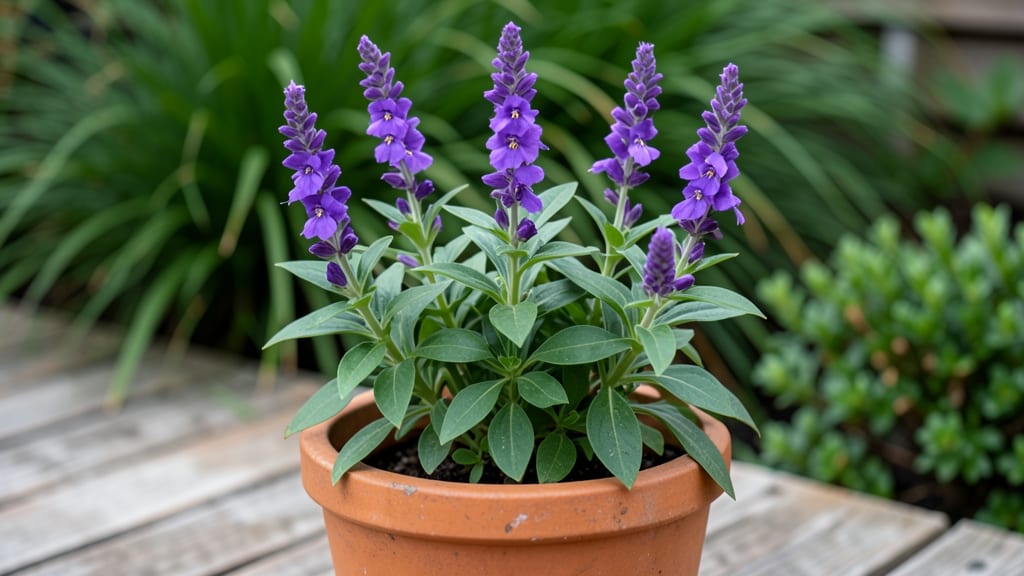
Caring for angelonia plants feels like having a perennial that blooms like an annual—no fuss, just nonstop color. 🌸 I’ve grown these sun-loving plants for years, and they’ve taught me that the secret to their long-lasting blooms isn’t complicated: it’s about light, water, and a little strategic pruning.
Unlike finicky annuals, angelonia thrives with minimal deadheading, making it perfect for busy gardeners who still want vibrant blooms all season. The key to happy angelonia starts with full sun and well-draining soil—they hate soggy roots.
Water when the top inch of soil feels dry, but don’t drown them; these plants prefer to stay slightly on the drier side. A balanced fertilizer every 4-6 weeks keeps the flowers coming, but the real magic happens when you snip spent blooms just above a set of leaves.
This trick encourages new flowers to form, extending the blooming season from spring straight through fall—and sometimes even into winter in mild climates. What you’ll end up with is a compact, bushy plant covered in spikes of blue, purple, or white flowers that hummingbirds can’t resist.
The foliage stays lush and green, and the plants rarely get pests—just a few aphids here and there, which you can wash off with a spray bottle. The best part? Angelonia’s heat tolerance means it keeps blooming even when other plants wilt in summer’s peak.
For winter care, move potted plants indoors near a sunny window or bring them into a garage where temperatures stay above 40°F. Cut back dead stems in early spring, and they’ll bounce back just in time for the next growing season.
Whether you’re growing angelonia in beds, containers, or hanging baskets, this plant delivers effortless beauty with almost no maintenance. Let’s get those blooms going!
📚 In This Guide
- What you need
- Instructions
- Tips and common mistakes
- Wrapping up and next steps
What you need
- ● Angelonia plants: 1–3 nursery-grown plants (for containers) or 6–12 plants (for garden beds, spaced 12–18 inches apart).
- ● OR angelonia seeds (if starting from scratch—requires patience!).
- ● Well-draining potting mix: 1–2 bags (look for a blend labeled for annuals or perennials with added perlite or sand).
- ● Containers (if not planting in-ground): 5–7 inch pots (for 1–2 plants each) or hanging baskets (for trailing varieties).
- ● Drainage trays (to catch excess water).
- ● Slow-release fertilizer: 1–2 tablets or granules (10–14-10 NPK ratio is ideal).
- ● Watering can or hose with a gentle spray nozzle.
- ● Pruning shears or clean scissors: (for deadheading and shaping).
- ○ Gloves (optional but recommended): To protect hands from thorns (if handling mature plants).
- ● Mulch: 1–2 inches of organic mulch (e.g., shredded bark) to retain moisture.
- ● Plant supports: Small stakes or cages (if your angelonia grows tall and leggy).
- ● Liquid fertilizer: Balanced formula (e.g., 20-20-20) for mid-season boosts.
- ● Grow lights: If starting seeds indoors (LED full-spectrum bulbs work best).
- ● Plant markers: To label varieties (especially useful for seed-grown plants!).
Step-by-step instructions for growing angelonia blooms year-round
Angelonia thrives with simple care—here’s how to keep those vibrant blooms coming without constant deadheading.
🌱 Step 1: Plant in Well-Draining Soil and Full Sun
Angelonia loves full sun (6+ hours daily) and well-draining soil to prevent root rot. If your garden soil is heavy clay, mix in 1 part perlite or coarse sand per 3 parts soil to improve airflow. I dig a hole twice as wide as the root ball but only as deep—planting too deep suffocates the stem.
Gently press the soil around the roots to eliminate air pockets, then water deeply. You’ll know it’s right when water drains freely from the bottom of the pot or soil surface feels slightly damp but not soggy. Angelonia’s roots are shallow, so keep the soil loose for easy water penetration.
☀️ Step 2: Water Consistently Without Overdoing It
Water angelonia when the top 1-2 inches of soil feel dry—this usually means every 2-3 days in summer, but adjust for your climate. Overwatering is the fastest way to kill these plants, so always check with your finger before watering. I like to water in the morning so excess moisture evaporates by evening.
Mulch around the base with 1-2 inches of organic mulch (like shredded bark) to retain moisture and keep roots cool. Just avoid piling mulch against the stem—this traps moisture and invites rot. You’ll see the difference in just a few weeks: healthy stems stay firm, not mushy.
✂️ Step 3: Prune Strategically for Bushier Growth
Deadheading isn’t strictly necessary for angelonia—it blooms continuously—but pinching back spent flowers encourages more vibrant blooms. I use clean pruners to snip just above a set of leaves (not bare stems) to promote branching. This is the moment that matters: a single prune can trigger 3-4 new side shoots.
For a fuller plant, trim the tips of new growth after 4-6 weeks when stems reach 4-6 inches tall. This prevents legginess and keeps energy focused on blooms. Avoid cutting more than ⅓ of the plant at once—angelonia recovers quickly but needs time to adjust.
💧 Step 4: Fertilize Lightly for Long-Lasting Blooms
Feed angelonia with a balanced, water-soluble fertilizer (10-10-10) every 4-6 weeks during the growing season. I dilute it to half-strength to avoid burning delicate roots. Too much fertilizer leads to lush foliage but fewer flowers—this plant prioritizes blooms over leaves, so keep feedings light.
In late summer, switch to a low-phosphorus fertilizer (5-10-5) to encourage root growth before winter. You’ll notice the difference in fall: stems stay sturdy, and blooms remain vibrant longer. Always water before fertilizing to prevent root burn.
⏰ Step 5: Overwinter Care for Next Year’s Blooms
In colder climates, angelonia dies back to the ground but regrows from the roots. Cut back stems to 2 inches tall in late fall, then mulch heavily (3-4 inches) to insulate roots. I use straw mulch because it breaks down slowly and adds organic matter.
In warmer zones, angelonia often survives winter outdoors with minimal protection. Just reduce watering to once every 2 weeks unless it rains. You’ll see new growth in early spring—this is your signal to remove old mulch and resume regular care.
Tips & tricks for perfect angelonia plant care
These simple strategies will help your angelonia thrive with vibrant blooms all year long.
Soil Check: Before watering every 2-3 days, test soil moisture by pushing your finger 1 inch deep. If it feels dry, water thoroughly until it drains completely from the bottom. I've learned the hard way that soggy soil kills angelonia roots faster than underwatering—always let excess water drain away completely.
Light Rotation Strategy: For container plants, rotate the pot a quarter turn weekly to prevent lopsided growth. You'll notice new shoots leaning toward the light, but the plant will develop a fuller shape instead of stretching toward one window. This simple habit makes all the difference in keeping your angelonia compact and bushy.
Deadheading Timing: When pinching off those oldest flowers, focus on just 1-2 blooms per week unless your plant is exploding with flowers. I use clean fingernails to avoid damaging stems, and always cut just above a leaf node. This encourages new buds without shocking the plant—think of it as giving your angelonia a gentle nudge to keep producing.
Fertilizer Safety: Always water thoroughly after applying that half-strength 10-10-10 fertilizer to rinse away excess salts. I've seen brown leaf tips from salt buildup, and it's completely preventable. In winter, skip fertilizing unless you're using grow lights—your angelonia goes dormant naturally, and extra nutrients can actually harm it.
Pro Tips for Care For Angelonia Plant
- These simple strategies will help your angelonia thrive with vibrant blooms all year long.
- Soil Check: Before watering every 2-3 days, test soil moisture by pushing your finger 1 inch deep.
- Light Rotation Strategy: For container plants, rotate the pot a quarter turn weekly to prevent lopsided growth.
Frequently asked questions
about caring for your Angelonia plant—because even the toughest gardeners need a little help! Here are answers to the most common questions to keep your blooms thriving with ease.How often should I water my Angelonia plant?
Water your Angelonia when the top 1–2 inches of soil feel dry, typically 2–3 times per week in hot climates or daily in extreme heat. Overwatering is the biggest risk—ensure pots have drainage holes to prevent root rot. Morning watering is ideal to reduce fungal risks.
When is the best time to prune or deadhead Angelonia?
Deadhead spent blooms weekly to encourage continuous flowering. For pruning, trim back leggy stems by 1/3 in early spring or after the first flush of blooms. Avoid heavy pruning in late summer—it may delay fall blooms.
Can Angelonia survive winter outdoors?
Most Angelonia varieties are annuals in cold climates (below 30°F/-1°C) but can overwinter as tender perennials in USDA zones 9–11. In colder areas, grow as potted plants and move indoors near a sunny window or dig up tubers for spring replanting.
What pests commonly attack Angelonia, and how do I treat them?
Watch for aphids, spider mites, or whiteflies—especially in dry conditions. Treat with neem oil or insecticidal soap for mild infestations. For severe cases, hose off pests with water or use pyrethrin-based sprays. Healthy plants with proper watering resist pests better!
Can I grow Angelonia from seed, or should I buy transplants?
Yes! Start seeds 6–8 weeks before last frost indoors under grow lights. Transplants are easier for beginners—look for healthy, compact seedlings with vibrant green leaves. Seeds may take 10–14 days to germinate in warm soil (70–75°F/21–24°C).
Wrapping up and next steps
Caring for your angelonia plant doesn’t have to be complicated—just follow these simple steps to enjoy vibrant blooms all year long! 🌸 With the right balance of sunlight, water, and occasional deadheading, you’ll have a thriving, low-maintenance beauty that brightens up any garden.
Remember, consistency is key, and soon you’ll be rewarded with a stunning display of color.
Ready to take the next step? Grab your gardening tools and give your angelonia the love it deserves—your future blooms will thank you! 🌿