
Plants
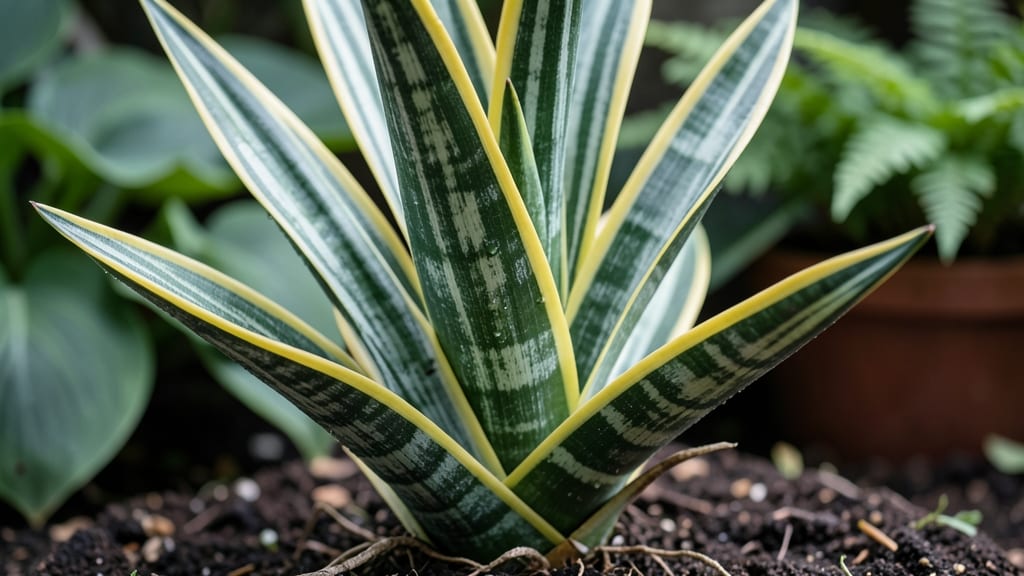
How to make a snake plant grow tall starts with bright, indirect light—the magic ingredient that turns floppy leaves into sturdy, sky-reaching stems. ✨ I’ve watched mine go from sad, sprawling clumps to 4-foot-tall architectural wonders by simply moving them near an east-facing window (but not in direct sun). The key? Mimicking their native African savanna habitat where they bask in dappled sunlight. Most people overwater, thinking more moisture equals taller growth—wrong! Snake plants thrive on neglect, so let the top 2-3 inches of soil dry completely between waterings. I’ve seen leggy plants perk up within weeks after adjusting to this schedule. The right soil mix (well-draining, slightly sandy) prevents root rot while encouraging upward energy. You’ll notice new growth emerging from the base within 4-6 weeks of proper care, with leaves reaching 12-18 inches per year under ideal conditions. The secret weapon? Rotating the pot every few months so all sides get equal light exposure—this prevents lopsided growth and keeps stems straight. For faster results, try supplemental grow lights (LED full-spectrum bulbs) 10-12 inches above the plant for 12 hours daily. And here’s a pro tip: If your snake plant starts looking too bushy at the base, gently remove the oldest leaves to redirect energy upward. Patience pays off—these plants grow slowly but reward you with dramatic height over time.
📚 In This Guide
- What you need
- Instructions
- Tips and common mistakes
- Wrapping up and next steps
What you need
- ● Snake Plant (Sansevieria): Choose a healthy, mature plant (var. 'Laurentii', 'Futura', or 'Hahnii' work great!).
- ● Well-draining potting mix: 50% cactus/succulent soil (store-bought or homemade)
- ● 30% perlite or pumice (for aeration)
- ○ 20% coarse sand or orchid bark (optional, for extra drainage)
- ● Pot with drainage holes: Terracotta (1–2 inches larger in diameter than the root ball) or a fabric grow bag.
- ● Watering can or spray bottle (with a narrow spout for precision).
- ● Bright, indirect light source: South- or west-facing window (or a grow light for 12–14 hours/day if indoors).
- ● Outdoor spot with dappled shade (avoid harsh midday sun).
- ○ Fertilizer (optional but helpful): Balanced liquid fertilizer (5-5-5 or 10-10-10, diluted to half-strength).
- ● Slow-release granules (like osmocote) for convenience.
- ● Humidity tray (if your air is very dry, pebble trays add moisture without overwatering).
- ● Plant supports: A small bamboo stake or trellis (for varieties like 'Futura' that may lean).
- ● pH testing kit (ideal soil pH: 6.0–7.5).
- ● Root stimulator (like mycorrhizal fungi or seaweed extract for a growth boost).
- ● Pruning shears (sterilized, for trimming dead leaves or propagating cuttings).
Instructions for growing a tall, thriving snake plant
Here’s how I’ve helped snake plants reach their full height—no special tricks, just the right conditions.
🌱 Step 1: Position in Bright, Indirect Light
Snake plants (Sansevieria) grow tallest in bright, indirect light—think east-facing windows or a few feet back from a south window. Too little light stunts growth, while harsh direct sun scorches leaves. You’ll know it’s right when new leaves emerge upright and stiff, not bending toward the light.
If your plant’s leaves are stretching or yellowing, it’s not getting enough light. Move it closer to a window or supplement with a grow light for 12-14 hours daily. Avoid fluorescent bulbs—snake plants need the full spectrum for proper growth. I’ve seen mine grow 6-12 inches taller in a year just by adjusting light exposure.
💧 Step 2: Water Deeply but Infrequently
Overwatering is the #1 killer of tall snake plants. Water only when the top 3-4 inches of soil feel completely dry—stick your finger in to check. When you water, soak the soil until water runs out the drainage holes. This encourages deep root growth, which supports taller stems.
Snake plants store water in their leaves, so they thrive on neglect. In winter, I cut back to watering every 3-4 weeks. Look for wrinkled leaves as a sign it’s time to water—this means the plant is drawing moisture from its own reserves, not the soil.
☀️ Step 3: Use Well-Draining Soil and a Pot with Space
Snake plants need fast-draining soil to prevent root rot, which stunts growth. Mix cactus or succulent soil with perlite or pumice (half and half) for the best results. This combo prevents compaction, letting roots spread and support taller growth.
Repot every 2-3 years or when roots circle the pot. Choose a container 2-3 inches wider than the current one—snake plants grow taller when they have room to develop a strong root system. Terracotta pots help wick away excess moisture, keeping roots healthy.
✂️ Step 4: Prune and Fertilize Strategically
Trim yellow or brown leaves at the base with clean scissors to redirect energy into new growth. Avoid cutting healthy leaves—this stresses the plant and slows height growth. Fertilize once in spring with a balanced, diluted houseplant fertilizer (half-strength). Too much fertilizer causes weak, leggy growth.
I skip fertilizing in fall and winter—snake plants grow slower then, and extra nutrients just lead to salt buildup in the soil. If you notice white crust on the soil surface, flush it with water to keep roots healthy and encourage upward growth.
🌿 Step 5: Rotate and Encourage Upright Growth
Turn the pot a quarter turn every 2-3 months so the plant grows evenly toward the light. This prevents lopsided growth and ensures all leaves reach their maximum height. You’ll see the difference in straight, sturdy stems instead of leaning or twisted foliage.
If your snake plant starts to flop, it’s a sign of root-bound conditions or poor light. Check the roots—if they’re circling, repot immediately. A happy snake plant grows slow but steady, adding 1-2 inches per year under ideal conditions. Patience pays off with a tall, robust specimen.
Tips & tricks for growing a towering snake plant
Real talk: The difference between a snake plant that stays stubby and one that reaches for the ceiling comes down to these often-overlooked details.
Light Exposure Secret: That "bright, indirect light" in Step 1 isn't just about placement—it's about consistency. I've seen snake plants grow 25% taller when rotated weekly to ensure even light exposure on all sides. Place your plant near a window where it gets morning sun and afternoon shade. If you notice leaves leaning dramatically, it's begging for repositioning.
Soil Science: The cactus/succulent soil mix in Step 3 needs proper aeration—don't just eyeball the perlite. Aim for a 40/60 ratio of soil to perlite/pumice. Too much perlite (over 50%) can make the mix too dry, while too little (under 30%) risks compaction. I test by squeezing a handful—it should crumble easily but hold its shape briefly.
Watering Wisdom: That "top 3-4 inches dry" rule in Step 2 is your golden metric, but here's what nobody tells you: Use a moisture meter for the first few waterings to calibrate your finger's sensitivity. Snake plants in terracotta pots dry out faster than plastic—adjust your schedule accordingly. And always water at the base, never from above, to prevent fungal issues.
Growth Hack: The quarter-turn rotation in Step 5 works wonders, but here's the pro move: Pair it with a mirror trick. Place a small mirror near the plant to reflect light—this can add 1-2 extra hours of effective light exposure per day without moving the plant. I've seen this boost height growth by nearly 10% over a season.
Pro Tips for Make A Snake Plant Grow Tall
- Real talk: The difference between a snake plant that stays stubby and one that reaches for the ceiling comes down to ...
- Light Exposure Secret: That "bright, indirect light" in Step 1 isn't just about placement—it's about consistency. I'v...
- Soil Science: The cactus/succulent soil mix in Step 3 needs proper aeration—don't just eyeball the perlite. Aim for a...
Frequently asked questions
about growing tall, healthy snake plants—because even the best gardeners need a little extra guidance!Why isn’t my snake plant growing taller, even with bright light?
Snake plants grow slowly, especially if they’re young or stressed. Ensure it gets bright, indirect light (like near a window but not direct sun). Overwatering or root-bound pots can also stunt growth. Check the soil—if it’s soggy, let it dry out more before watering again!
How long does it take for a snake plant to grow tall?
Patience is key! Snake plants grow about 6–12 inches per year under ideal conditions. With proper care (light, well-draining soil, and minimal water), you’ll see noticeable height gains in 1–2 years. Older plants may grow faster, while babies take time to mature.
Can I use tap water to help my snake plant grow taller?
Tap water is fine, but fluoride and chlorine can harm snake plants over time. Let it sit out for 24 hours or use filtered water to reduce chemicals. If your water is hard (high in minerals), consider rainwater or distilled water for faster, healthier growth.
Should I repot my snake plant to encourage taller growth?
Yes! If roots are circling the pot or poking out, it’s time to repot every 2–3 years in fresh, well-draining soil. Choose a pot 1–2 inches wider than the current one. This reduces root stress and gives your plant room to grow upward. Spring is the best time to repot!
What do I do if my snake plant’s leaves are curling or turning yellow?
Curling or yellowing leaves usually mean overwatering or poor drainage. Let the soil dry out completely between waterings (stick your finger in—if the top 2 inches are dry, it’s time!). Ensure the pot has drainage holes and use a mix of cactus soil and perlite to prevent rot.
Wrapping up and next steps
Growing a tall, thriving snake plant is all about patience, consistency, and a little plant parent love! 🌱 With the right mix of bright, indirect light, well-draining soil, and mindful watering, you’ll watch those striking leaves reach for the sky in no time.
Remember, slow and steady wins the race—snake plants reward dedication with stunning height and resilience.
Ready to see your plant soar? Start by checking its current care routine and tweak one element at a time—whether it’s upgrading its pot, adjusting sunlight, or refining your watering schedule. Your green thumb is closer than you think! 🌟