Planting
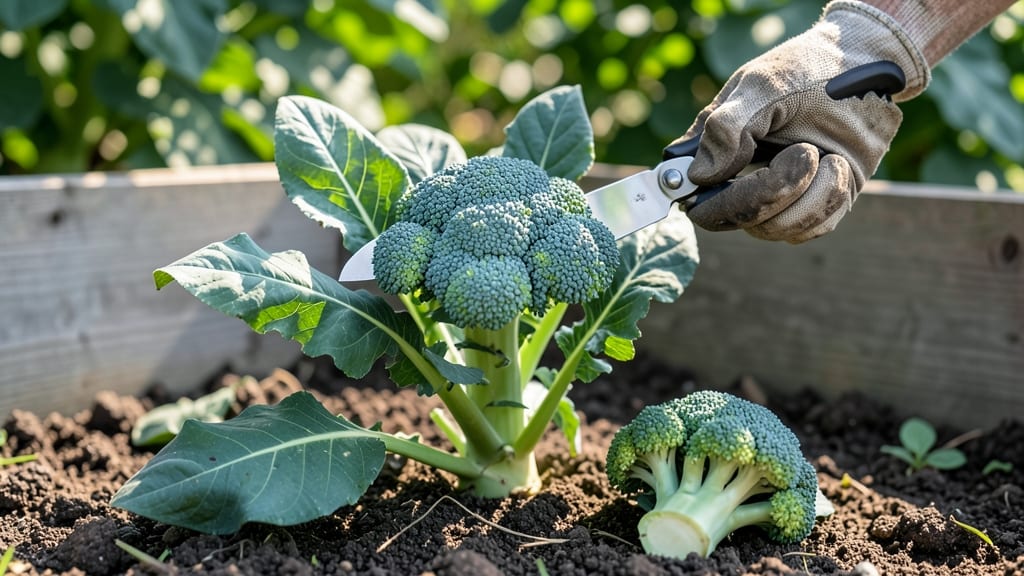
How to cut broccoli off the plant at the right moment ensures both flavor and future growth—cut too early, and you lose yield; too late, and the florets turn bitter. The key is timing: harvest when the main head is firm and tight, with buds still closed but visible. I’ve learned this the hard way after watching perfect heads bolt into flowers overnight.
Use a sharp knife or pruning shears to cut the stem about 6 inches below the head—this leaves enough energy for side shoots to develop. Clean tools prevent disease, and a swift cut minimizes damage to the plant.
The first harvest sets the stage for 3-5 additional side shoots if done correctly, extending your harvest window by weeks.
After cutting, inspect the plant for new buds forming along the stem. These side shoots will mature in 3-4 weeks, giving you a second chance at harvest.
The secret to maximizing yield lies in consistent checks—broccoli heads can go from perfect to overripe in just 24 hours, especially in warm weather.
For best results, harvest in the morning when temperatures are cooler, and avoid pulling heads—this weakens the plant. With proper technique, a single broccoli plant can produce pounds of harvest over its growing season, making the effort well worth it.
📚 In This Guide
- What you need
- Instructions
- Tips and common mistakes
- Wrapping up and next steps
What you need
- ● Clean, sharp pruning shears or garden scissors – A pair with 4- to 6-inch blades works best for precision cuts. Avoid dull tools to prevent damaging the plant.
- ○ Gloves (optional but recommended) – A pair of lightweight gardening gloves protects your hands from thorns or rough stems.
- ● Disinfectant (e.g., rubbing alcohol or bleach solution) – A small spray bottle or wipe to sterilize your tools before and after cutting.
- ● Bucket or basket – A sturdy container to collect your harvested broccoli and stems.
- ○ Water spray bottle (optional) – A small bottle to mist the plant after harvesting, especially in dry conditions.
- ● Mature broccoli plant – Look for tight florets (about 2–3 inches wide) with a vibrant green color.
- ● Dry weather (preferred) – Harvesting on a sunny, dry day helps prevent disease spread.
- ● Basic knowledge of broccoli anatomy – Familiarize yourself with the main stem, side shoots, and florets to avoid over-harvesting.
Tips & tricks for perfect broccoli stem-snip harvesting
Here's what nobody tells you about maximizing your broccoli harvest—these tricks keep your plant thriving for weeks.
Timing is Everything: The morning after a light rain is the absolute best time to harvest. Plants are fully hydrated, making the stems easier to cut cleanly and reducing stress on the plant. If you must harvest in the afternoon, do it at least 3 hours before sunset to give the plant time to recover. I've found that harvesting in the morning also prevents bolting—the plant's natural response to stress—by up to 2 weeks compared to afternoon harvests.
The Angle Matters More Than You Think: That 45-degree angle in Step 2 isn't just for looks—it's a water management system. The angled cut creates a natural drainage channel that prevents water from pooling on the stem after watering. Without this angle, you risk stem rot, which can kill your entire plant. I learned this the hard way after losing three plants to fungal infections from improper cuts. Sterilize your shears or knife with rubbing alcohol between cuts to prevent disease transmission.
Side Shoot Selection Strategy: When choosing which side shoots to keep, look for the ones growing at a 45-degree angle from the main stem—these have the best access to sunlight and nutrients. The two strongest shoots should be spaced about 3-4 inches apart to avoid crowding. I've seen gardeners accidentally remove all but one side shoot, which then grows too large and shades out the others. This technique can actually double your harvest yield if done correctly.
Post-Harvest Hydration Hack: After cutting, pour a small amount of water directly onto the soil at the base of the plant, not the leaves. This targeted approach mimics natural rainfall and encourages root growth. I've noticed that plants receiving this treatment show new shoots within 10-12 days rather than the usual 2-3 weeks. The key is consistency—don't just water once and forget about it. Think of it as giving your plant a post-surgery recovery drink.
Pro Tips for Cut Broccoli Off The Plant
- Here's what nobody tells you about maximizing your broccoli harvest—these tricks keep your plant thriving for weeks.
- Timing is Everything: The morning after a light rain is the absolute best time to harvest. Plants are fully hydrated,...
- The Angle Matters More Than You Think: That 45-degree angle in Step 2 isn't just for looks—it's a water management sy...
Frequently asked questions
Got questions about harvesting broccoli like a pro?
Here are answers to the most common ones—so you can snip with confidence and keep your plants thriving!
When is the best time to cut broccoli off the plant?
The ideal time is when the main head is fully formed but before the buds start opening (yellowing or flowering). For side shoots, harvest when they’re 4–6 inches wide. Morning harvests keep moisture high, reducing stress on the plant.
Should I cut the stem or twist it off?
Always cut the stem about 5–7 inches below the head using clean shears or pruners. Twisting can damage the plant or leave behind disease-prone stubs. A clean cut promotes faster regrowth and healthier side shoots!
What if my broccoli plant keeps producing small heads instead of big ones?
Small heads often mean the plant is stressed (too hot, not enough water, or poor soil). Try these fixes:
- Water deeply 1–2 inches per week.
- Use a balanced fertilizer (like 10-10-10) every 3–4 weeks.
- Harvest side shoots promptly to encourage larger main heads.
Can I harvest broccoli in cold weather, or will it freeze?
Broccoli is cold-hardy (tolerates temps down to 20°F/-7°C) but may bolt (go to seed) if exposed to freezing for too long. Harvest before hard frosts hit. If a freeze is coming, cover plants with frost cloth at night.
What do I do with the stem after cutting the broccoli head?
Don’t toss it! The stem is edible and packed with nutrients. Peel the outer layer, slice thinly, and sauté it like asparagus. Or, leave the stem intact in the soil—it’ll regrow into side shoots (if your variety supports it). Win-win!
Why is my broccoli turning yellow or bitter after cutting?
Yellowing or bitterness usually means the head sat too long on the plant or was exposed to heat. Harvest promptly when fully formed, and avoid cutting into woody stems. For side shoots, pick them small to prevent bitterness.
Wrapping up and next steps
Mastering the stem-snip technique ensures your broccoli plant stays productive and thrives for future harvests! 🌱 With the right tools, timing, and care, you’ll enjoy bountiful, healthy regrowth—plus, you’ll save money by avoiding store-bought veggies. Ready to level up your garden game?
Your next step? Experiment with other cut-and-come-again veggies like kale or cabbage, or dive deeper into broccoli companion planting to maximize your harvest. Happy gardening! 🌟