Planting
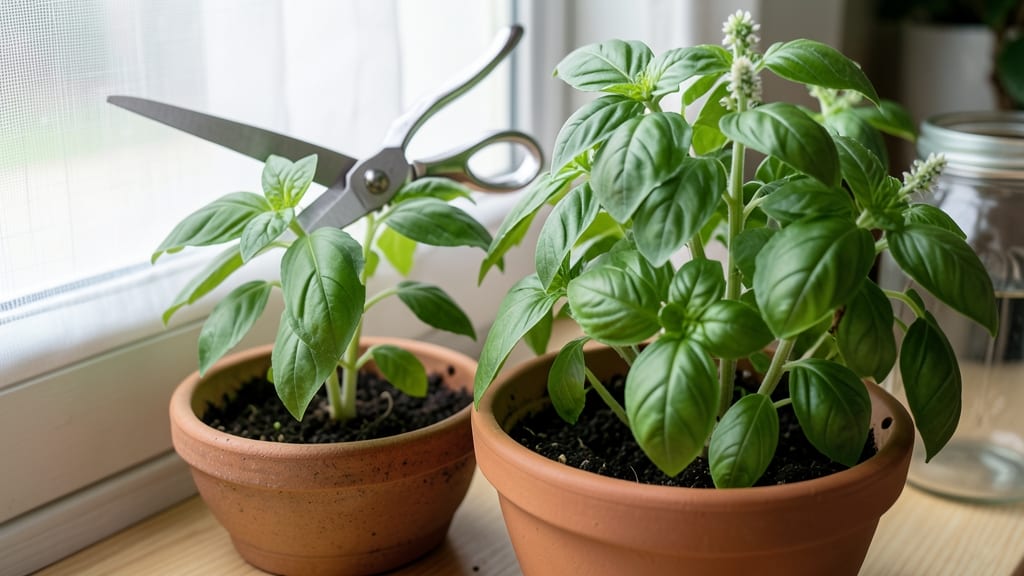
Cutting fresh basil off your plant isn't just harvesting—it's the secret to nonstop growth and lush, flavorful leaves all season. ✂️ I learned this the hard way after letting my basil bolt into flower stalks, but now my plants produce three times more than store-bought bunches.
The key? Pruning stems at the right spots and timing it perfectly.
You'll need just two tools: sharp pruning shears (or clean scissors) and a bowl for your harvest. Always cut just above a leaf node—where leaves meet the stem—never the woody base.
This encourages new branches to form, creating a bushier plant that keeps producing. The best time to harvest is early morning, when oils are most concentrated for flavor.
Start harvesting when your basil has 6-8 inches of growth, cutting the top set of leaves. Repeat every 2-3 weeks to maintain vigor. Your plant will respond by sending out new shoots from the sides, creating a fuller, more productive bush.
This method works for both potted plants and garden beds, ensuring you never run out of fresh basil for cooking.
Common mistakes include cutting too much at once or harvesting from the bottom. Both weaken the plant. Instead, focus on selective pruning—removing only the top growth—while leaving lower leaves intact. This keeps your basil thriving through late summer and sometimes even into fall, depending on your climate.
📚 In This Guide
- What you need
- Instructions
- Tips and common mistakes
- Wrapping up and next steps
What you need
- ● Sharp pruning shears or clean kitchen scissors – Opt for sterilized, sharp tools (blade length: 3-5 inches) to avoid crushing stems or spreading disease. ⚠️ Avoid dull scissors—they tear leaves!
- ○ Gloves (optional but recommended) – Lightweight gardening gloves to protect hands from sap (latex or nitrile work best).
- ● Clean cutting surface – A tray, plate, or bowl to collect cuttings and prevent contamination.
- ● Spray bottle with water – A 4-8 oz bottle to mist leaves post-harvest (keeps them fresh longer).
- ● Plastic bag or airtight container – For storing harvested basil (choose a breathable bag or sealed container with a paper towel to absorb moisture).
- ● Mature basil plant – Your plant should have at least 6-8 true leaves and a sturdy stem (3-6 inches tall). 💡 Pro tip: Avoid harvesting from seedlings—they need time to grow!
- ● Healthy leaves – Skip yellowing or wilted leaves; focus on vibrant, dark green ones.
- ● Morning harvest time – Cut basil in the early morning when leaves are hydrated and oils are at peak freshness.
Step-by-step instructions for harvesting basil like a Pro
Here's how I harvest basil to keep plants thriving and yields abundant—no guesswork involved.
✂️ Step 1: Identify the Right Stems to Cut
Focus on harvesting stems with at least 4-6 mature leaves—this ensures the plant has enough energy to regrow. I always start with the largest, most vigorous stems first. Avoid cutting flowers or buds if you want more leaf production; those divert energy away from foliage growth.
Look for stems that are at least 6 inches tall with thick, healthy leaves. These are your "mother stems" that will sprout new side shoots. If you're unsure, pinch off a few leaves from the top instead—this still stimulates growth without sacrificing the main stem.
✂️ Step 2: Use the Proper Cutting Technique
Position your clean, sharp pruning shears or scissors just above a leaf node—this is where new side shoots will emerge. Angle the cut slightly (about 45 degrees) to increase surface area for faster healing. Never tear stems; clean cuts prevent disease and encourage faster regrowth.
I like to make my cuts about ½ inch above the node, where the leaf meets the stem. This gives the plant room to grow new branches while keeping the cut small enough to heal quickly. Avoid cutting too close to the node—you'll see new growth emerge right there within 3-5 days.
🌱 Step 3: Stimulate Bushier Growth
After removing the main stem, you'll notice small buds at the leaf nodes where you cut. These are your plant's way of saying, "Grow more leaves!" Within 1-2 weeks, you'll see new side shoots emerge from these nodes—this is how basil becomes bushier and more productive.
If your basil is leggy (stretching toward light), focus on cutting the top 2-3 inches of the main stems. This encourages the plant to put energy into lateral growth rather than just vertical stretching. You'll see compact, fuller plants within 4-6 weeks of consistent pruning.
💧 Step 4: Post-Harvest Care for Continued Growth
Water the plant immediately after harvesting to replace lost moisture. Basil plants wilt quickly when you remove large stems, but they bounce back fast with proper hydration. Use room-temperature water to avoid shocking the roots—cold water can stunt regrowth.
Place the harvested basil in a glass of water in the fridge if you're not using it right away. The stems will stay fresh for 5-7 days, and you can trim leaves as needed. For potted plants, I also add a balanced liquid fertilizer (diluted to half strength) to help them recover faster.
⏰ Step 5: Maintain a Regular Harvesting Schedule
Harvest every 2-3 weeks during the growing season to encourage continuous production. I've found that basil plants harvested regularly produce 30-50% more leaves than those left to grow wild. The key is consistency—don't wait until the plant looks overgrown.
In late summer, when basil starts flowering, you can still harvest leaves, but expect slower regrowth. To extend the season, pinch off any flower buds you see—they signal the end of the plant's productive cycle. With proper care, a single basil plant can yield ½ pound of leaves per season.
Tips & tricks for perfect basil harvesting
These simple yet game-changing techniques will transform your basil harvest from sporadic to bountiful.
Selection Strategy: I've learned the hard way that cutting stems with fewer than 4-6 leaves actually stresses the plant more than it helps. Those smaller stems don't have enough energy reserves to regenerate properly. Instead, focus on the thickest stems with at least 6 inches of height—these are the powerhouses that will give you the most regrowth. Look for stems where the leaves are dark green and slightly wrinkled, not pale or yellowing.
Cutting Precision: That ½-inch distance above the leaf node isn't arbitrary—it's the sweet spot where you maximize regrowth while minimizing stress. Use sharp pruning shears (not kitchen scissors) to make clean cuts at a 45-degree angle. I always sanitize my tools with rubbing alcohol between plants to prevent spreading disease. The angled cut creates more surface area for faster healing, and you'll notice new shoots emerging within 3-5 days if done correctly.
Leggy Plant Rescue: When your basil starts stretching toward light (that leggy growth), don't despair—this is actually an opportunity. Cut back the top 2-3 inches of the main stems, which forces the plant to redirect its energy toward lateral growth. Within 4-6 weeks, you'll have a bushier plant with more leaves. This technique works best when you do it consistently every 2-3 weeks during the growing season.
Season Extension: Late summer flowering signals the end of your basil's productive cycle, but you can still get more leaves. Simply pinch off any flower buds as soon as you see them—they divert energy away from leaf production. For container-grown basil, you can even bring pots indoors before the first frost and continue harvesting under grow lights. I've kept basil producing for months this way!
Pro Tips for Cut Fresh Basil Off Plant
- These simple yet game-changing techniques will transform your basil harvest from sporadic to bountiful.
- Selection Strategy: I've learned the hard way that cutting stems with fewer than 4-6 leaves actually stresses the pla...
- Cutting Precision: That ½-inch distance above the leaf node isn't arbitrary—it's the sweet spot where you maximize re...
Frequently asked questions
Got questions about harvesting basil like a pro?
Here are the most common ones—plus expert answers to keep your plant thriving and your kitchen stocked!
How do I know when basil is ready to harvest?
Harvest basil when it’s at least 6–8 inches tall and has 4–6 true leaves per stem. Young leaves are tender and flavorful, while mature leaves (lower on the plant) can be used for cooking. Never harvest more than 1/3 of the plant at once—this ensures regrowth and prevents stress!
What’s the best time of day to cut basil?
Morning is ideal! Harvest in the early morning (after dew dries but before the heat of the day) when essential oils are most concentrated, boosting flavor. Avoid cutting after sunset or in extreme heat—this can stress the plant and reduce yield.
Should I cut basil stems above or below a leaf node?
Always cut just above a leaf node
(the point where leaves meet the stem). This encourages new growth from the node below. Use clean, sharp scissors or pruners to avoid crushing stems, which can invite disease.
Can I harvest basil flowers or seeds?
While basil flowers are edible (great for garnishes!), removing them prevents bolting (premature flowering) and keeps the plant focused on leaf production. If you want seeds, let a few flowers bloom—but pinch them off early to prioritize harvestable leaves.
What should I do if my basil turns yellow after cutting?
Yellowing can signal over-harvesting, underwatering, or nutrient deficiency. Troubleshoot:
- Reduce harvest frequency (wait 2–3 weeks between cuts).
- Check soil moisture—basil loves consistently moist (not soggy) soil.
- Fertilize lightly with a balanced, water-soluble fertilizer (like 10-10-10).
How do I store freshly cut basil?
Store basil stem-down in a glass of water (like flowers) in the fridge for up to 1 week. For longer storage:
- Wrap stems in a damp paper towel and place in a sealed bag.
- Freeze leaves in ice cube trays with water or oil for cooking.
- Avoid washing until use—excess moisture speeds up spoilage!
Wrapping up and next steps
Mastering the art of harvesting basil with the stem-by-stem technique ensures your plant stays vibrant and productive—while giving you a steady supply of fresh, flavorful leaves for your favorite dishes! 🌿 Whether you’re a seasoned gardener or just starting out, this method is simple, rewarding, and perfect for maximizing your basil’s potential.
Now that you’re equipped with the right tools and knowledge, grab those shears and start harvesting—your kitchen (and taste buds) will thank you!
Ready to take it further? Experiment with different basil varieties or explore creative ways to preserve your harvest—like drying, freezing, or making pesto. Happy growing! 🌱