
How To
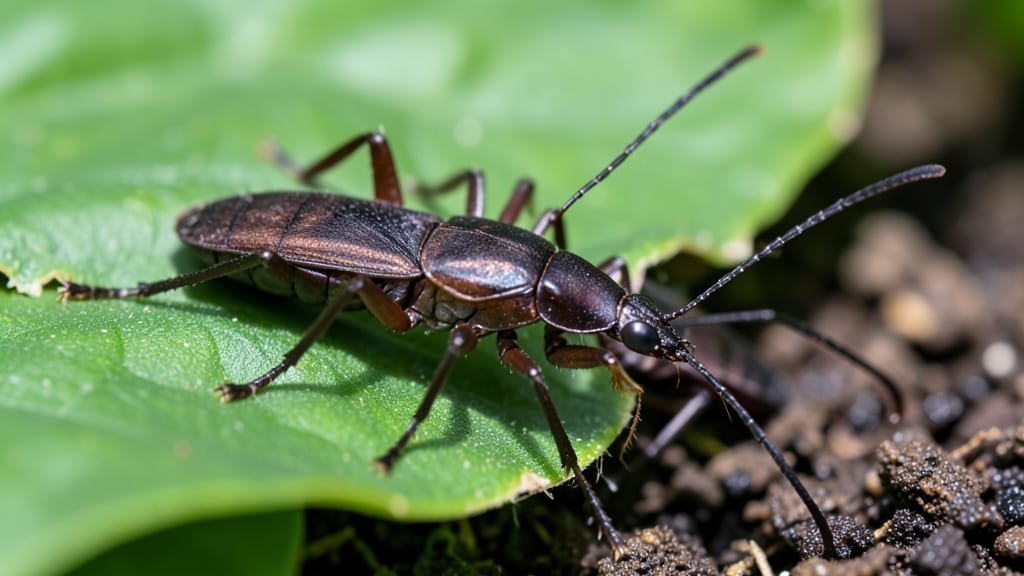
Earwigs turned my thriving hostas into a skeleton garden overnight—how to deal with these pincher-wielding pests is the question on every gardener’s mind. 🌱 These nocturnal invaders hide in damp corners, chewing leaves and flowers while you sleep—and the worst part?
Store-bought sprays only work for a week before they’re back. I finally cracked the code with a three-step system that keeps them gone for good, without harming your plants or the critters that actually help your garden.
The problem starts with their love of moisture and shelter. They thrive under mulch piles, flat rocks, and dense foliage, where they feast on tender new growth.
Most "solutions" just chase them away temporarily—what you need are barriers, disruption, and habitat elimination that make your garden feel like a bad neighborhood to them. Think of it like eviction notices for pests, but with natural methods that actually work.
By combining diatomaceous earth (their natural nemesis), rolled-up newspaper traps (their kryptonite), and proper mulch management (removing their hideouts), you’ll see them vanish within 7-10 days. No more shredded leaves, no more midnight raids on your basil—just a garden that stays lush and intact.
The best part? These methods are safe for kids, pets, and pollinators, so you’re not trading one problem for another.
Works in vegetable gardens, flower beds, and even houseplants—just adjust the hiding spots. Here’s how to implement each step without turning your yard into a chemical battlefield. Let’s get those pincers out of your garden for good.
What Lures Earwigs Indoors
Earwigs don’t just wander in randomly—they’re drawn inside by specific conditions and attractions. Understanding these triggers is the first step to keeping them out for good. Let’s break down the science behind their indoor invasions.
---
Earwigs thrive in damp environments because their exoskeletons are highly permeable, making them prone to dehydration. If your home has: - Leaky pipes or dripping faucets - High humidity (especially in basements, bathrooms, or crawl spaces) - Condensation on windows or walls
These pests will seek shelter in dark, moist corners—like under sinks, in laundry piles, or even behind shower curtains. Fix it: Use dehumidifiers, repair leaks, and ensure proper ventilation in damp areas.
---
Earwigs are omnivorous scavengers, feasting on: - Decaying organic matter (rotting leaves, mulch, or compost near entry points) - Pet food left out overnight - Crumbs or spills in kitchens and pantries - Plants (they chew leaves and flowers, especially in greenhouses or potted plants indoors)
If your home offers an easy buffet, they’ll move in. Actionable fix: Store food in sealed containers, clean up spills immediately, and remove outdoor mulch or leaf litter close to your home’s foundation.
---
Earwigs avoid light and prefer dark, hidden spaces where they can: - Hide during the day (under rocks, mulch, or debris outside) - Squeeze into tiny cracks (door thresholds, window seals, or gaps in siding) - Infiltrate through vents or gaps in screens
Once inside, they’ll nest in:
- Behind baseboards or wall voids
- Under floorboards or carpets
- Inside cardboard boxes or paper piles
---
Earwigs are nocturnal and seek: - Cool, dark hiding spots during the day (like attics, basements, or closets) - Warmth at night to become active (they’re drawn to lights but avoid direct exposure)
If your home has:
- Poor lighting in basements or crawl spaces
- Unsealed attic vents
- Gaps in window screens
--- Sometimes, earwigs hitch a ride indoors on: - Firewood stacked against your home - Potted plants brought inside from gardens - Secondhand furniture or cardboard stored in damp areas
Pro tip: Always inspect new items before bringing them inside, especially during earwig season (spring through fall).
Practical Ways to Eliminate Earwigs
Now that you understand why earwigs invade your space, it’s time to tackle them head-on with effective, natural solutions tailored to the root cause.
Whether they’re sneaking in through damp basements, hiding under mulch, or nesting in your garden, these methods will help you banish them for good—without harsh chemicals.
---
Earwigs love moisture and dark crevices, so cutting off their access is the first line of defense.
#### 🔧 Seal Gaps & Cracks - Inspect your home’s exterior for gaps around windows, doors, vents, and pipes—earwigs can squeeze through openings as small as 1/16 inch. - Use caulk or weatherstripping to seal cracks in foundations, siding, and utility lines. - Install door sweeps on exterior doors to block entry.
#### 💦 Reduce Moisture Hotspots - Fix leaky faucets, pipes, and gutters—standing water attracts earwigs. - Improve drainage around your home by grading soil away from the foundation. - Use dehumidifiers in basements, crawl spaces, and bathrooms to keep humidity below 50%.
#### 🌿 Clear Outdoor Debris - Remove mulch, leaf litter, and piles of wood near your home’s foundation. - Trim vegetation touching your house—earwigs use plants as bridges. - Keep gutters clean to prevent water buildup that draws them in.
--- Once they’re inside, lure them out with simple, non-toxic traps.
#### 🍺 Beer or Vinegar Trap (Best for Indoor Infestations) - Fill a shallow dish with beer, apple cider vinegar, or even stale beer—earwigs are drawn to the scent and drown. - Place traps near entry points, under sinks, or in basements. - Pro tip: 💡 Add a drop of dish soap to break the surface tension, making it harder for them to escape.
#### 📦 DIY Cardboard Box Trap - Place a corrugated cardboard box (or flattened shoebox) in a damp area. - Earwigs will crawl inside—check and dispose of them daily. - Bonus: 🌡️ Place a damp towel inside to make it extra appealing.
#### 🌙 Nighttime Flashlight Hunt - Earwigs are nocturnal, so shine a flashlight in dark corners at night. - Use a damp paper towel to gently scoop them up and release them far from your home (they’ll return if too close!).
--- Once you’ve eliminated the current problem, keep them from coming back with these preventive measures.
#### 🌱 Garden Maintenance - Avoid overwatering plants—earwigs thrive in damp soil. - Use gravel or sand instead of mulch near your home’s foundation. - Plant earwig-repellent herbs like mint, lavender, or thyme around entry points.
#### 🏡 Home Upkeep - Store firewood and lumber at least 20 feet away from your house. - Vacuum regularly in basements, crawl spaces, and under furniture. - Check houseplants—earwigs hide in soil, so inspect pots before bringing them inside.
#### 🐸 Encourage Natural Predators - Attract birds, spiders, and centipedes—they eat earwigs! - Install a birdhouse or bat box to boost your home’s pest control. - Leave some leaf litter in your garden (away from the house) to support beneficial insects.
--- If earwigs keep returning despite your efforts, or if you have a large infestation, it may be time to call a pest control expert. They can assess hidden nesting sites and apply targeted treatments without harming your home or pets.
--- Remember: Consistency is key! Combine sealing entry points, reducing moisture, and trapping for the best results. With these steps, you’ll keep earwigs out for good—naturally and effectively. 🚀
Frequently asked questions
Are earwigs harmful to humans or pets?
Earwigs are completely harmless to humans and pets! They don't bite or spread diseases, though their pincers might give a tiny pinch if handled roughly. The real concern is their damage to plants and gardens—not your health or your furry friends.
Why do I see more earwigs after rain?
Earwigs thrive in damp conditions, so heavy rain creates the perfect environment for them. They emerge from hiding to forage, making them more visible. Reducing standing water and improving drainage will help keep them under control during wet seasons.
Will diatomaceous earth kill earwigs instantly?
No, diatomaceous earth works gradually—it dehydrates earwigs over 24-48 hours. Sprinkle it in dry areas (like under plants or along foundations) where earwigs travel. Reapply after rain, as moisture reduces its effectiveness.
Can I use essential oils to repel earwigs?
Yes! Mix 5-10 drops of peppermint, lavender, or citrus oil with water in a spray bottle and apply around entry points. Reapply every 3-5 days, as the scent fades. Avoid spraying directly on plants to prevent harm.
Why do earwigs hide in my laundry?
Earwigs seek dark, damp spaces—laundry piles provide both! They may also be drawn to moisture from wet clothes. Store clean laundry in sealed containers and keep damp towels or washcloths in the dryer, not stacked on floors.