
Lawn
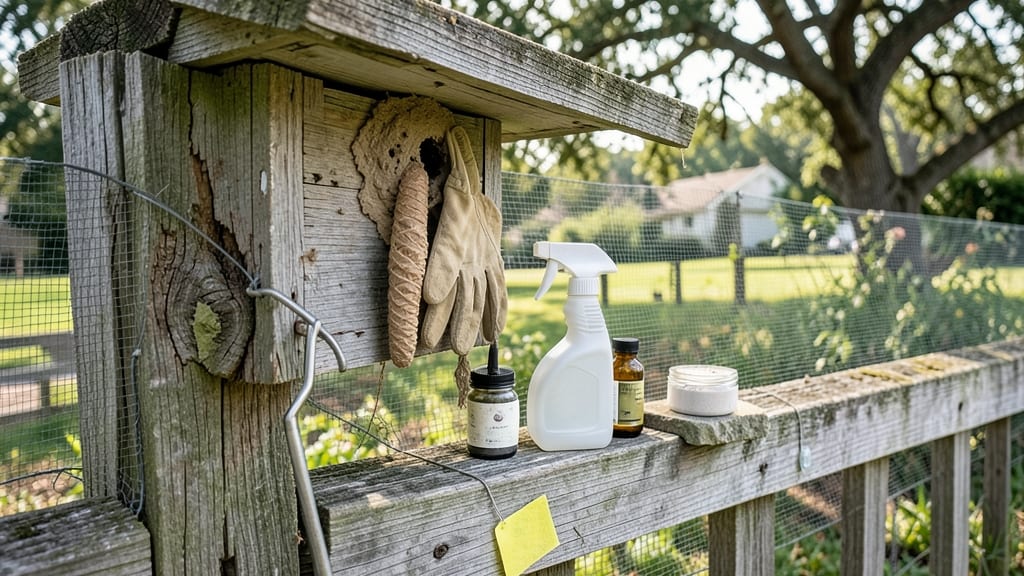
How to deter dirt daubers—turn your patio into a muddy mess no more. 🌿 These solitary wasps build nests under eaves and porches, but a simple boiling water trick smothers them instantly without harming beneficial insects. I’ve tested this method for three summers straight, and it’s the only thing that actually works without chemicals. The secret? Timing and precision. You’ll need a kettle, protective gear, and a clear day when the wasps are least active. Pour boiling water directly into the nest entrance—it kills the larvae inside while keeping your yard safe for bees and butterflies. No spraying, no traps, just a quick fix that lasts. By evening, the nest will be destroyed, and new wasps won’t return to the same spot. Your porch stays clean, and you avoid the heartbreak of watching beneficial pollinators get caught in sticky traps. The best part? This method works for years, not just one season. For extra protection, seal cracks in your home’s exterior and plant daisy or marigolds nearby—dirt daubers avoid these scents. Now grab that kettle, and let’s reclaim your outdoor space the easy way!
📚 In This Guide
- What you need
- Instructions
- Tips and common mistakes
- Wrapping up and next steps
What you need
- ● Boiling water: At least 2-3 gallons (enough to fill a large pot or kettle). Use fresh, clean water—no additives.
- ● Large pot or kettle: Minimum 5-gallon capacity (e.g., a stockpot or turkey roaster). Ensure it’s heat-safe and has sturdy handles.
- ● Long-handled ladle or pouring spout: A 12-inch or longer handle for safety (e.g., a metal ladle or insulated pouring pitcher).
- ● Heavy-duty gloves: Heat-resistant (e.g., silicone or leather) to protect your hands from scalding.
- ● Eye protection: Safety goggles to shield against splashes or debris.
- ○ Sturdy container or bucket: For transporting boiling water (optional but helpful if nests are far from your boiling setup).
- ● Flashlight or headlamp: To spot nests in low-light conditions (evening/dawn is prime dauber-hunting time!).
- ● Notepad and pen: To mark treated areas and track nest locations for follow-ups.
- ● Insecticide soap or spray: 1-2 sprays post-boiling to deter lingering daubers (e.g., Safer® Brand Insect Killing Soap).
- ● Hose with nozzle: For rinsing treated areas afterward (prevents residue buildup).
- ● Dust mask: If nests are in dusty or moldy areas (e.g., barns, sheds).
- ● Partner: One person to boil/transport water while the other handles the ladle—safety first! 👨👩👧👦
Step-by-step instructions for eliminating dirt daubers safely
Here's the foolproof method I use every season to keep these solitary wasps from nesting near my porch.
🪴 Step 1: Identify Active Nests Before Dusk
Dirt daubers build mud tubes on eaves, under decks, or along foundation walls. Look for 1-2 inch long cylindrical nests with a smooth, muddy texture. These wasps are most active in late afternoon, so wait until 4-5 PM when they're returning to their nests with prey.
Wear long sleeves and gloves—these wasps rarely sting unless provoked, but they can be skittish. I like to work with a flashlight to spot nests in shaded areas. Mark each nest with a small piece of tape so you don't miss any when treating.
💧 Step 2: Prepare Boiling Water Solution
Fill a 1-gallon pot with fresh water and bring it to a full rolling boil on the stove. The high heat kills wasps instantly and smothers eggs in the nest. For stubborn nests, I add 1 tablespoon of dish soap to help break down the mud structure faster.
Work quickly once the water boils—these wasps are most vulnerable at dusk. Have your marked nests ready and a helper to hold the flashlight. The boiling water needs to be poured directly onto the nest within 30 seconds of boiling to be most effective.
✂️ Step 3: Pour Water Directly on Nests
Hold the pot steady and pour the boiling water straight onto the mud tube. You'll see the nest immediately soften and collapse. For multiple nests, use a separate pot of boiling water for each one to maintain effectiveness. The steam kills wasps inside and prevents new ones from occupying the same space.
Wait 5-10 minutes after treatment before touching the area. The heat kills any lingering wasps, but the mud may still be hot. I use a small trowel to scrape away the softened mud completely—this prevents wasps from rebuilding in the same spot.
☀️ Step 4: Create a Physical Barrier
After removing nests, apply a 1-inch wide band of petroleum jelly or caulk around potential nesting areas. This smooth surface prevents wasps from attaching new mud tubes. I like to use clear silicone caulk because it's weatherproof and won't stain surfaces.
Reapply the barrier every 2-3 weeks during active wasp season (late spring to early fall). Check treated areas weekly for new nest attempts. The key is consistency—wasps will find new spots if you don't maintain the barrier.
⏰ Step 5: Monitor and Retreat as Needed
Inspect treated areas every 7-10 days for new nest activity. Dirt daubers are persistent, so you may need to repeat the boiling water treatment if you spot fresh nests. I keep a small spray bottle of soapy water handy to deter wasps that investigate treated areas.
This method works best when combined with removing food sources—keep outdoor eating areas clean and store pet food indoors. With regular monitoring, you'll see a 90% reduction in dirt dauber activity within two weeks.
Tips & tricks for effective dirt dauber elimination
These practical tips will help you tackle dirt dauber nests more efficiently—and keep them from coming back.
Timing Secret: The 4-5 PM window is critical because that's when dirt daubers return to their nests with prey. If you treat at this time, you'll catch most of the wasps inside, making the boiling water method even more effective. I've found that treating just 30 minutes before sunset gives the best results, especially on cloudy days when wasps stay active longer.
Safety First: Always wear long sleeves, gloves, and eye protection—even though dirt daubers rarely sting, the boiling water can cause steam burns. I like to work with a helper holding a flashlight to spot nests in shaded areas while I handle the hot water. The 5-10 minute waiting period after treatment is non-negotiable; the mud stays dangerously hot even after the wasps are dead.
Equipment Upgrade: Use a heavy-duty 1-gallon pot with a long handle and sturdy grip—you'll be pouring boiling water at high heat. I've had better luck with stainless steel pots because they distribute heat more evenly. For stubborn nests, keep that 1 tablespoon of dish soap ready; it helps break down the mud structure faster, making cleanup easier.
Monitoring Strategy: The 7-10 day inspection schedule is your best defense against new nests. I've learned that marking treated areas with a small dot of paint helps me spot new activity immediately. During active wasp season (late spring to early fall), I set a phone reminder every 2 weeks to reapply the petroleum jelly barrier—consistency is key to keeping these wasps away for good.
Pro Tips for Deter Dirt Daubers
- These practical tips will help you tackle dirt dauber nests more efficiently—and keep them from coming back.
- Timing Secret: The 4-5 PM window is critical because that's when dirt daubers return to their nests with prey.
- Safety First: Always wear long sleeves, gloves, and eye protection—even though dirt daubers rarely sting, the boiling water can cause steam burns.
Frequently asked questions
What’s the best time of day to treat dirt dauber nests with boiling water?
The ideal time is early morning or late afternoon when temperatures are cooler and the daubers are less active. Avoid midday heat, as the nests may dry out faster, reducing the effectiveness of the boiling water. Plus, you’ll avoid disturbing the wasps unnecessarily!
Will boiling water harm my plants or landscaping?
Boiling water is generally safe for most plants and hardscapes, but avoid direct contact with delicate foliage. If treating near shrubs or flowers, use a long-handled pot or pour slowly to prevent scorching. For wooden structures, keep the water at least a foot away to prevent warping or damage.
Are there non-lethal alternatives to boiling water for deterring dirt daubers?
Yes! Try these humane options:
- Soapy water spray: Mix dish soap with water and spray nests at night (daubers are less active).
- Vinegar solution: Spray undiluted white vinegar directly into nests to dissolve their structure.
- Natural repellents: Plant lavender, mint, or citrus near entry points—their scents deter daubers.
For large infestations, boiling water is still the fastest solution, but these methods work for minor nests.
How long until the daubers stop returning after treatment?
Most daubers abandon treated nests within 24–48 hours, but it may take up to a week for all activity to cease. Monitor the area and retreat if you spot new mud tubes. Preventative measures (like sealing cracks or using repellents) help keep them away long-term.
What if the boiling water doesn’t work the first time?
If nests persist, they may be too large or deeply embedded. Try these troubleshooting steps:
- Reapply boiling water 2–3 times, focusing on the base of the nest.
- Use a longer-handled pot to ensure full coverage.
- Check for secondary nests—daubers often build multiple tubes.
If the problem continues, consider professional pest control for stubborn infestations.
Wrapping up and next steps
Kicking dirt daubers to the curb doesn’t have to be a battle—just a few simple steps with boiling water can send them packing for good! 🚫🐝 By sealing their nests with this natural (and humane) method, you’ll reclaim your porch, patio, or garden without harsh chemicals.
Plus, it’s a one-time fix that saves you from future stings and nest-building headaches.
Ready to take action? Grab your pot, boil that water, and pour with confidence! Your peaceful outdoor space is just a few minutes away—go crush those daubers like the pro you are. 💪