
Tools
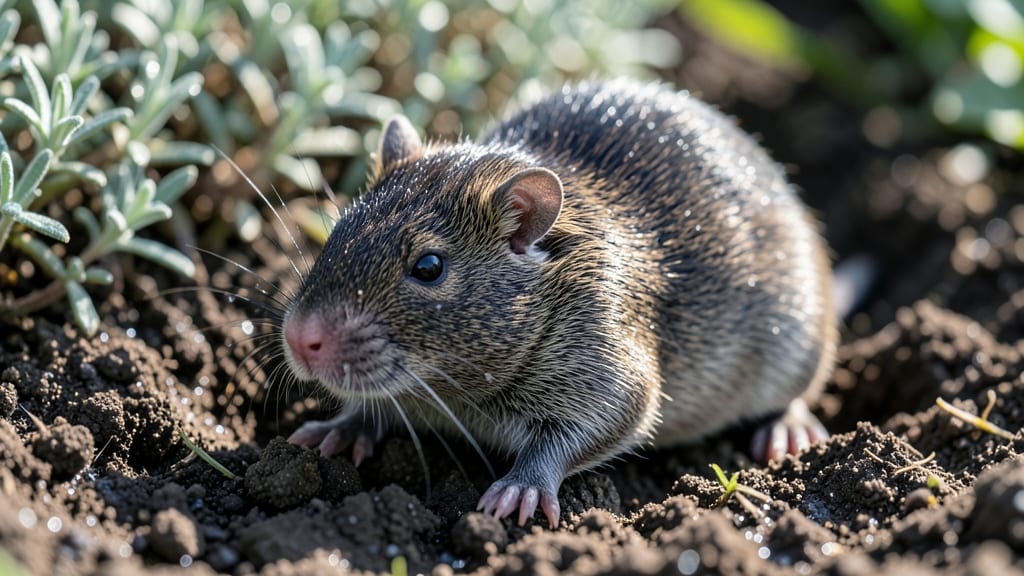
How to deter moles from your garden feels like solving a silent invasion. 🌱 I’ve buried iron barriers deep in my yard, and they’ve finally stopped the destruction—no more raised mounds or gnawed roots. The key is understanding what actually works (and what doesn’t) to keep these underground pests away for good.
Most mole deterrents fail because they target symptoms, not the real problem. Castor oil sprays or ultrasonic devices might offer temporary relief, but moles just move on to your neighbor’s yard.
A buried iron barrier, however, creates a physical block they can’t dig through—permanent protection without harming your soil or plants.
You’ll see results within a few weeks as moles naturally avoid the treated area. The barrier lasts for years, and unlike toxic chemicals, it won’t poison pets, wildlife, or your garden’s ecosystem. No more guessing games—just a straightforward solution that works.
This method works in any yard size, from small vegetable patches to sprawling lawns. The best part? Once installed, you’ll forget it’s even there—until you notice your plants thriving without a trace of mole damage. Let’s get your garden back to its full potential.
Understanding Mole Motivation
Moles may seem like tiny, harmless garden pests, but their digging habits can quickly turn your lush lawn into a maze of tunnels and mounds. To effectively deter them, you first need to understand why they’re there in the first place.
These subterranean creatures aren’t just random diggers—they’re driven by biology, instinct, and environmental factors. Let’s break down the key reasons moles invade your garden and how their behavior connects to their survival.
Moles are obligate insectivores, meaning their diet consists almost entirely of soil-dwelling invertebrates. Their primary menu includes:
- Grubs and larvae (especially Japanese beetle grubs, which are a mole’s favorite delicacy).
- Earthworms (a high-protein snack that fuels their energy needs).
- Insect eggs and pupae (hidden beneath the soil surface).
- Spiders and centipedes (less common but still on the menu).
When your garden becomes a hotspot for these critters—often due to overwatered lawns, rich organic matter, or poor drainage—moles take notice. A single mole can consume 50–100 pounds of insects per year, so if your soil is teeming with their favorite foods, they’ll move in to dine. Pro tip: If you’ve recently fertilized or aerated your lawn, you’ve essentially rolled out the welcome mat for moles. 💡
Moles prefer soil that’s loose, moist, and easy to dig. Their tunnel systems are built for efficiency, and they avoid compacted or rocky ground. Here’s what makes your garden irresistible to them:
- High moisture content: Moles need hydrated soil to survive—dry conditions dehydrate them. Irrigated lawns, low-lying areas, or gardens with poor drainage are prime real estate. 🌡️
- Loose, aerated soil: Gardens with recent tilling, mulching, or composting provide the perfect texture for digging. Even a freshly planted flower bed can attract moles if the soil is disturbed. ✨
- Shady or partially shaded areas: Moles avoid direct sunlight, which can dry out their tunnels. Dense shrubs or trees create the cozy, humid microclimate they crave. 🌳
If your garden has recently been amended with compost or has a history of flooding, moles will see it as a five-star resort. Actionable insight: Compacted soil (like clay-heavy gardens) can deter moles, but it also suffocates plant roots—so finding a balance is key. 🎯
Moles are solitary creatures, but they’re not above claiming new territory—especially during breeding season (typically spring and early summer). Here’s how reproduction drives their behavior:
- Mating season triggers movement: Males (called "boars") travel up to 150 feet to find females, while females (or "sows") establish new tunnels to raise their young. This means moles may suddenly appear in your garden even if they weren’t there before. 🔥
- Juvenile dispersal: Baby moles (born in spring) are kicked out of their mother’s tunnel system by late summer. These youngsters then venture out to find their own food sources and dig sites, often ending up in nearby gardens. 👨🍳
- Competition for resources: If an existing mole’s food supply dwindles (e.g., grubs run out after a pest treatment), they’ll expand their range to find new meals—and your garden might be next on the list. ⏰
If you’ve noticed mole activity spiking in spring or early fall, it’s likely due to breeding or young moles staking their claim. Pro tip: Trapping or repelling moles during these peak times can prevent them from settling in permanently. 💡
Moles are highly sensitive to weather patterns and seasonal changes, which can force them to relocate or dig more aggressively. Key environmental factors include:
- Heavy rainfall: Saturated soil makes tunnels collapse, forcing moles to dig deeper or seek higher ground—often in your garden. Flooding can also wash away their food sources, pushing them to raid nearby areas. 🌧️
- Drought or dry spells: When the topsoil dries out, moles burrow deeper to find moisture, which can bring them closer to your plants’ roots. They may also surface more often to forage, increasing visible damage. 🔥
- Temperature fluctuations: Moles are most active in cool, damp conditions (50–75°F). Extreme heat or cold can make them less active but more desperate for food, leading to increased tunneling. ❄️☀️
- Human activity: Disturbing their tunnels (e.g., with lawnmowers, shovels, or foot traffic) can force them to relocate, often to a "safer" spot—like your vegetable patch. 🚜
If your garden experiences unusual weather shifts (e.g., sudden downpours after a drought), moles may see it as an opportunity to invade. Actionable tip: Monitor soil moisture and adjust irrigation to make your lawn less appealing during these transitions. 🎯
Now that you know why moles target your garden, the next step is to turn the tables and make your space unwelcoming. Stay tuned for science-backed solutions—starting with the iron barrier method! 🛠️
Effective Ways to Stop Moles
Now that you understand why moles invade your garden, it’s time to take action! The good news is that there are practical, humane, and long-term solutions to deter these underground pests.
Below, we’ve mapped the most common causes of mole activity to the best fixes—plus prevention tips to keep them away for good.
---
Moles tunnel through soil in search of grubs, worms, and larvae. If your garden is their buffet, cut off their access with these barriers:
#### 🛡️ Install a Deep Iron Barrier (Best Long-Term Fix) - Why it works: Moles cannot dig through iron or steel.
Unlike plastic or wood, these materials create an unbreakable underground wall. - How to do it: - Bury ½-inch thick iron sheets at least 2 feet deep (deeper in loose soil). - Extend the barrier at least 3 feet beyond your garden’s perimeter to stop them from tunneling around it. - Pro Tip: 💡 Use galvanized or stainless steel to prevent rusting over time.
#### 🌱 Plant Mole-Repelling Ground Covers Some plants naturally deter moles with strong scents. Try: - Daffodils (toxic to moles) - Crocuses (moles avoid their bulbs) - Alliums (garlic family—moles hate the smell) - Castor beans (contains ricin, which moles avoid)
🔥 Bonus: Plant these along the garden edges to create a natural barrier.
---
If you prefer non-lethal control, these methods work well:
#### 🕳️ Humane Traps (Quick & Targeted) - Scissor traps or bucket traps are the most effective. - How to set them: - Place traps along active tunnels (press down on fresh mounds to find live tunnels). - Bait with earthworms or grubs (moles’ favorite snacks). - ⚠️ Safety First: Check traps daily to avoid harming pets or other wildlife.
#### 🌿 Natural Repellents (Smell-Based Deterrents) Moles have a super-sensitive sense of smell—use this against them: - Castor oil-based repellents (spray on tunnels and garden beds). - Predator urine (fox or coyote urine—available at garden stores). - Mothballs (temporarily) – Use sparingly (toxic to pets, so place in mesh bags underground).
🌡️ Pro Tip: 🔥 Reapply repellents every 2-4 weeks or after rain.
---
The best defense? Make your garden less inviting for moles in the first place.
#### 🐜 Reduce Their Food Sources Moles love grubs, worms, and larvae—so eliminate their menu: - Aerate your lawn in early spring to expose grubs (birds will eat them). - Use beneficial nematodes (microscopic worms that kill grubs naturally). - Avoid over-fertilizing (too much nitrogen = more grubs).
#### 🚫 Keep Soil Healthy & Compact Moles prefer loose, easy-to-dig soil. To make tunneling harder: - Water deeply and regularly to firm up soil. - Add a layer of gravel (1-2 inches) under mulch to deter digging. - Mow high (3-4 inches) to discourage mole activity.
#### 🐶 Encourage Natural Predators - Owls, foxes, and snakes eat moles—leave some wild areas in your yard for them. - Install a small pond (some snakes and birds will hunt near water).
---
- ❌ Don’t use poison (harmful to pets, kids, and beneficial wildlife). - ❌ Don’t smash tunnels (moles just move deeper or elsewhere). - ❌ Avoid ultrasonic repellents (ineffective—moles ignore them).
--- By combining barriers, repellents, and prevention, you can effectively deter moles without cruelty. Start with iron barriers for a permanent fix, then reinforce with natural deterrents and soil management. Soon, your garden will be mole-free—and your plants will thank you! 🌿✨
Frequently asked questions
How deep should I bury an iron barrier to stop moles?
Bury the iron barrier at least 2 feet deep—this prevents moles from digging underneath. For loose, sandy soil, go even deeper (2.5-3 feet) since they can tunnel faster. The barrier should extend 3 feet beyond your garden edges to block their path completely.
Will castor oil really keep moles away?
Castor oil is a temporary deterrent—it disrupts their sense of smell and makes soil unappealing. For best results, mix 2 tablespoons of castor oil with 1 gallon of water and spray on tunnels and garden beds. Reapply every 2-4 weeks or after rain, as it washes away.
Can I use mothballs to repel moles?
Mothballs (naphthalene) can work as a short-term repellent, but they’re toxic to pets and children. Place them in mesh bags and bury them 6 inches deep along mole tunnels. Replace every 2-3 months—they lose effectiveness over time. Never use them near edible plants.
Why do moles keep coming back after I use repellents?
Moles may return if their food source (grubs/worms) isn’t eliminated or if repellents wear off. Focus on long-term solutions: install an iron barrier, reduce lawn grubs with nematodes, and keep soil compact. Repellents alone won’t stop them permanently—they just move to untreated areas.
Are ultrasonic mole repellents worth buying?
No, ultrasonic devices are ineffective against moles. Research shows they ignore the high-frequency sounds. Moles have poor hearing and rely on vibrations/smell to navigate. Save your money—opt for iron barriers or natural repellents instead. They’re proven to work where ultrasonic claims fail.