
Flowers
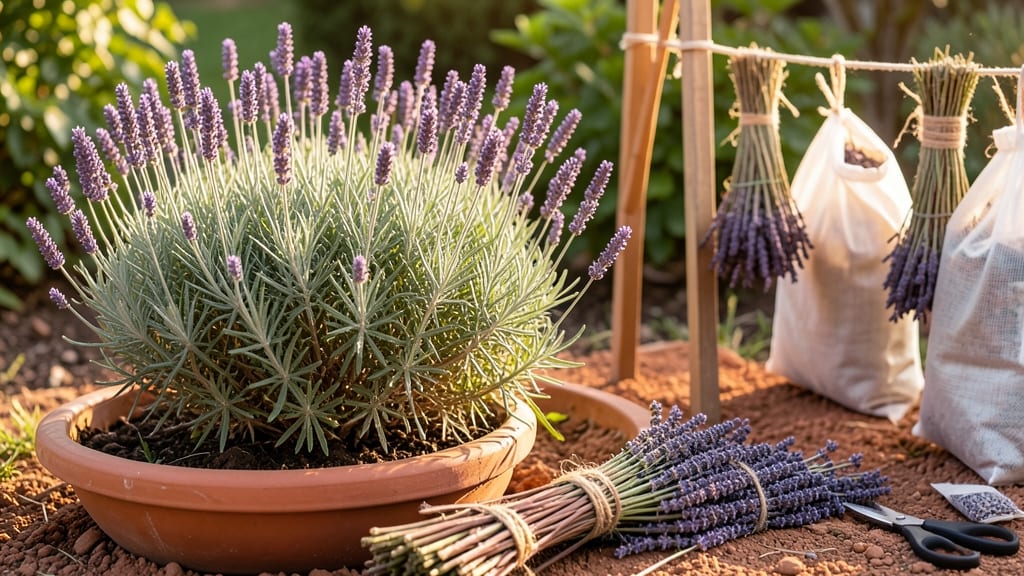
How to dry French lavender transforms summer’s sweetest scent into winter’s coziest treasure. ✨ The secret lies in harvesting when buds are just beginning to open—before they fully bloom—so you lock in that signature purple hue and intoxicating fragrance. One wrong move, and you end up with brittle stems or faded color, but when done right, your dried lavender will smell like summer for months.
You’ll need just three things: fresh lavender stems, a dry, dark space with good airflow, and about 2-3 weeks of patience. Skip the dehydrator—natural drying preserves the most complex aromas.
Bundle stems with twine or rubber bands, leaving the bottoms free to breathe, then hang upside down in a warm, dry spot. The goal is to let moisture evaporate slowly, not rush it.
Once fully dry, the stems should crumble easily between your fingers, and the buds should hold their color like fresh-picked perfection. Store them in an airtight container away from light, and you’ll have fragrant bundles ready for potpourri, sachets, or even homemade lavender wreaths that smell like a Provençal summer.
Fair warning: don’t rush the process—over-drying turns lavender to dust, and mold can ruin a whole batch if humidity sneaks in. But when it’s done right, your dried lavender will be the star of your home’s scent story all year long.
📚 In This Guide
- What you need
- Instructions
- Tips and common mistakes
- Wrapping up and next steps
What you need
- ● Fresh French lavender – Harvest stems with at least 3-4 inches of length (avoid fully bloomed flowers for best results). Aim for 1-2 bunches (or more, depending on your drying needs).
- ● Sharp pruning shears or scissors – For clean cuts to avoid damaging the stems.
- ● Drying method of your choice: Hang-drying: A well-ventilated, dark, and dry space (e.g., a closet, pantry, or garage with good airflow).
- ● Bundling method: Rubber bands or twine (to tie stems into small bundles).
- ● Tray or screen drying: A flat, breathable surface (like a wire cooling rack or a mesh screen).
- ● Paper bags or brown paper envelopes – For storing dried lavender (1-2 per bunch, depending on size).
- ○ Optional but helpful: A small fan (to speed up drying in humid climates).
- ● Drying herbs or lavender-specific hangers (if you prefer a hands-off approach).
- ● Timing: Harvest lavender on a dry, sunny morning after the dew has evaporated.
- ● Weather conditions: Avoid drying lavender if humidity is high (aim for <60% humidity for best results).
- ● Patience: Drying can take 2-4 weeks, depending on your climate and method.
Step-by-Step instructions for drying French lavender
Here's how to preserve that signature purple hue and intoxicating fragrance—no fancy equipment needed.
🌿 Step 1: Harvest at Peak Freshness
Pick your lavender on a dry, sunny morning when the flowers are fully open but before they start browning. Use clean, sharp pruning shears to cut 4-6 inch stems—long enough to bundle but short enough to handle easily. I always snip just above a leaf node so new growth can sprout later.
Remove any damaged or wilted stems right away. You want stems that feel firm to the touch and smell strongly of lavender. If you harvest too late in the season, the buds won't open fully, and your dried flowers will look sparse.
☀️ Step 2: Bundle and Hang for Air Drying
Gather 3-5 stems at a time and wrap them tightly with twine or rubber bands at the base. This keeps the stems upright and prevents them from flopping over. Hang the bundles upside down in a dry, dark, well-ventilated spot—like a closet with a small fan or a garage with open windows.
Choose a location where the temperature stays consistent between 60-75°F. Avoid direct sunlight or heat sources, or the lavender will bleach out and lose its vibrant color. I like to hang mine near an open window where there's a gentle breeze—this speeds up drying without risking color loss.
⏰ Step 3: Monitor and Test for Dryness
Check your lavender bundles every 2-3 days. The drying process should take 2-3 weeks total, depending on humidity. You'll know it's ready when the stems snap easily when bent and the buds crumble slightly when touched.
If the buds still feel damp or springy, give them another week. Overdrying turns lavender brittle and dusty, while underdrying leaves it prone to mold. Once dry, gently brush off any remaining leaves or stems—they can turn bitter and ruin the fragrance.
🪴 Step 4: Store Properly for Long-Term Use
Transfer the dried lavender to airtight containers like glass jars or fabric sachets. Store them in a cool, dark place—like a pantry or closet—to preserve their color and scent. Label each container with the date so you can track freshness.
For the best results, use your dried lavender within 6-12 months. If stored correctly, it should still smell amazing and retain its purple hue. I like to keep a few small jars around my home—one in the bathroom for relaxation, one in the closet to freshen clothes, and one by the bed for a calming scent.
Tips & tricks for perfectly dried French lavender
Here's what nobody tells you about preserving that vibrant purple and intoxicating scent—trust me, these details make all the difference.
Harvest Timing Secret: The dry, sunny morning window is non-negotiable for peak lavender. I've learned this the hard way—harvesting in the afternoon or after rain means buds won't open fully, and you'll end up with sparse, dull stems. Check the weather forecast night before and plan your harvest for that first dry morning light. The stems should feel firm and smell strongly of lavender when you pick them.
Bundle Technique That Changed Everything: When gathering your 3-5 stems, wrap them tightly at the base with twine or rubber bands—this isn't just about keeping them upright. The tight bundle creates a natural air channel that speeds up drying while preventing the stems from touching each other. I use floral wire for larger batches because it's reusable and provides better tension than rubber bands.
Drying Environment Intelligence: That 60-75°F range in Step 2 is critical for color preservation, but here's the real secret: humidity is the silent enemy. If your home feels stuffy or you've had recent rain, consider adding a small fan to create gentle airflow around the bundles. I've seen lavender lose its purple hue in just 48 hours when humidity exceeded 60%. A dehumidifier near your drying area can work wonders in humid climates.
Storage Wisdom: The 6-12 month shelf life assumes proper storage, but here's how to maximize it: after transferring to airtight containers, place a silica gel packet inside each jar. This absorbs any residual moisture that could cause mold. I also like to add a small piece of dried orange peel to each jar—it enhances the lavender's fragrance while acting as a natural preservative. Label with the harvest date and variety (French lavender holds up better than English varieties).
Pro Tips for Dry French Lavender
- Here's what nobody tells you about preserving that vibrant purple and intoxicating scent—trust me, these details make...
- Harvest Timing Secret: The dry, sunny morning window is non-negotiable for peak lavender. I've learned this the hard ...
- Bundle Technique That Changed Everything: When gathering your 3-5 stems, wrap them tightly at the base with twine or ...
Frequently asked questions
Got questions about drying French lavender? You’re not alone—this fragrant herb can be tricky if you’re new to the process! Below, we’ve answered the most common questions to help you dry lavender like a pro. Whether you’re troubleshooting color loss or wondering about storage, these tips will keep your dried lavender looking and smelling its best.
How long does it take to dry French lavender?
Drying French lavender properly takes 1 to 3 weeks, depending on your climate and drying method. If you’re using a hanging bundle method, expect full dryness in 2–3 weeks in a warm, dry, and well-ventilated space. For oven drying, it’s ready in 1–2 hours at 200°F (93°C). Patience is key—rush it, and you risk losing fragrance or color!
Why is my dried lavender losing color?
French lavender’s signature purple hue fades due to moisture, light, or heat exposure. To preserve color:
- Dry lavender in a cool, dark place (like a closet with a fan).
- Avoid direct sunlight during drying—it accelerates fading.
- Use paper bags or breathable fabric instead of plastic to prevent condensation.
Can I speed up the drying process?
Yes! If you’re in a hurry, try these fast-drying methods (but monitor closely to avoid overheating):
- Oven drying: Spread stems on a baking sheet at 200°F (93°C) for 1–2 hours, leaving the door slightly open.
- Dehydrator: Use the lowest setting (95–115°F/35–46°C) for 2–4 hours.
- Microwave (last resort!): Place stems in a paper towel-lined container and microwave in 30-second bursts on low power.
What’s the best way to store dried lavender?
To keep your lavender fragrant and vibrant, store it in:
- Airtight containers (glass jars with tight lids or fabric pouches).
- Cool, dark places (like a pantry or closet).
- Avoid humidity—moisture = mold. Add a silica gel packet if needed.
Can I dry French lavender if it’s already wilted?
Yes! Wilted lavender can still be dried, but freshness matters for fragrance and color. If the stems are plump and green (even if wilted), proceed with your drying method. If they’re slimy, mushy, or moldy, toss them—drying won’t save them. Prevention tip: Harvest lavender in the morning after dew dries for the best results.
Wrapping up and next steps
Drying French lavender is simpler than you think—and the reward is months of fragrant, beautiful blooms to brighten your home!
By following these steps, you’ll preserve its vibrant purple hue and soothing scent for sachets, potpourri, or even homemade crafts. Don’t let your harvest go to waste—embrace the process and enjoy the little luxuries it brings!
Ready to elevate your space? Try experimenting with lavender-infused projects—like homemade soaps, pillow sprays, or framed dried bundles. Your next DIY adventure starts now! 🌿✨