
How To
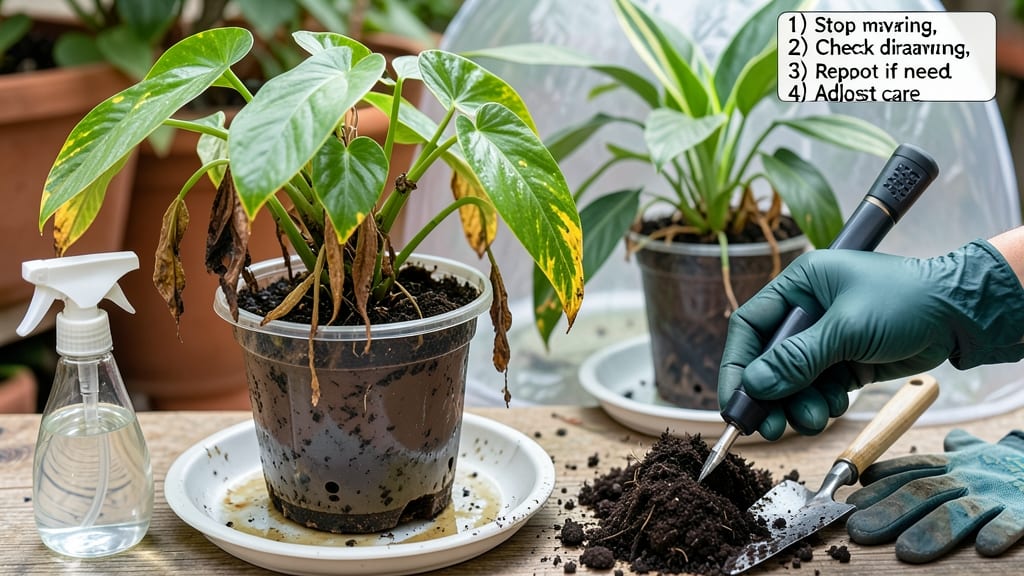
Your soggy plant isn't a lost cause—how to dry out a plant that has been overwatered is all about giving it the right conditions to recover. ✨ I’ve nursed back everything from wilting ferns to root-bound succulents by following this simple drying-out method, and you can too.
The key? Stopping water immediately and giving roots space to breathe. Start by removing the plant from its pot and gently separating the roots to check for rot—soft, mushy roots mean you’re racing against time.
Repot into fresh, well-draining soil (think cactus mix for succulents, or perlite-heavy potting soil for tropicals) and place it in a spot with bright, indirect light. Avoid direct sun until new growth appears—it’s too harsh for stressed roots.
Within 7-10 days, you’ll see the first signs of recovery: crispy leaf edges softening, new buds forming, or stems standing upright again. Houseplants like pothos or snake plants often perk up faster than outdoor perennials, but patience is key—some deep-rooted plants take 2-3 weeks to show improvement.
The real game-changer? Adjusting your watering habits. Stick your finger 1-2 inches into the soil before watering—if it’s damp, wait. Overwatering is the #1 killer of houseplants, but this method has saved mine (and countless others) every season. Let’s get your plant back to thriving!
📚 In This Guide
- What you need
- Instructions
- Tips and common mistakes
- Wrapping up and next steps
What you need
- ● Well-draining container – Choose a pot with drainage holes (if repotting is needed). Size should match your plant’s root system.
- ● Fresh potting mix – Opt for a lightweight, well-aerated blend (e.g., cactus/succulent mix or a 50/50 peat-perlite combo). Quantity: Enough to fill the new container.
- ● Spray bottle – For gentle misting (avoid soaking). Size: 8–16 oz with a fine-mist nozzle.
- ● Trowel or small shovel – For carefully removing the plant from its pot and adjusting roots.
- ● Paper towels or clean cloth – To blot excess moisture from roots and leaves.
- ● Pruning shears (sterilized) – For trimming mushy, black, or rotting roots/leaves. Note: Sharpened and cleaned with rubbing alcohol.
- ○ Rooting hormone (optional but helpful) – Speeds up recovery for damaged roots. Brand suggestion: Dyna-Gro or Clonex.
- ● New pot or temporary container – If repotting, ensure it’s 1–2 inches larger than the old one to prevent overcrowding.
- ● Hydrogen peroxide (3%) – Dilute to 1 part H₂O₂ : 4 parts water for a root soak to prevent fungal/bacterial growth.
- ● Fungicide spray – If signs of mold/mildew (e.g., neem oil or copper fungicide).
- ● Humidity tray – A shallow tray with pebbles and water to create a humid microclimate (useful for tropical plants).
- ● Grow lights or sunny windowsill – If your plant needs bright, indirect light during recovery.
- ● Plant food (low-nitrogen) – Wait 2–4 weeks before using (e.g., diluted fish emulsion or seaweed extract).
Tips & tricks for reviving overwatered plants
Took me years of trial-and-error to perfect these plant recovery secrets—here's how to avoid the most common mistakes.
Root Inspection Precision: When examining roots in Step 2, use a magnifying glass if your eyesight isn't perfect—you'll spot early signs of rot that look like tiny black specks. Remember, healthy roots should snap when bent, not squish like overripe fruit. The 10-15 minute air-dry time is non-negotiable; this prevents fungal spores from taking hold during repotting.
Medium Mixing Strategy: For Step 3, I recommend pre-mixing your soil-perlite blend in a separate container rather than layering directly in the pot. This ensures even distribution of drainage material throughout the root zone. Pro tip: Add a handful of orchid bark chips to your mix for extra aeration—this is especially helpful for plants like ferns that hate soggy feet.
Light Condition Nuances: The bright indirect light mentioned in Step 3 is crucial, but here's what nobody tells you: East-facing windows are ideal because morning sun is gentle. If you only have south-facing light, place your plant 3 feet back from the window to prevent leaf scorch during recovery. For plants showing severe stress, consider using a grow light on a timer for 12 hours daily.
Recovery Timeline Reality: The 2-3 week growth window in Step 4 is an average—some resilient plants like spider plants rebound in 10 days, while delicate orchids might take 6 weeks. Track progress by marking new growth with a toothpick inserted near the soil line. If no new leaves appear after 4 weeks, it's time to accept the loss rather than prolonging suffering.
Pro Tips for Dry Out A Plant That Has Been Overwatered
- Took me years of trial-and-error to perfect these plant recovery secrets—here's how to avoid the most common mistakes.
- Root Inspection Precision: When examining roots in Step 2, use a magnifying glass if your eyesight isn't perfect—you'll spot early signs of rot that look like tiny black specks.
- Medium Mixing Strategy: For Step 3, I recommend pre-mixing your soil-perlite blend in a separate container rather than layering directly in the pot.
Frequently asked questions
Got questions about saving your soggy plants? You’re not alone! Here are some of the most common concerns—and straightforward answers—to help you dry out overwatered plants like a pro.
How long does it take for an overwatered plant to dry out?
Most plants recover within 3–7 days of proper drying, but it depends on the plant type, pot size, and drainage. Succulents and cacti may bounce back faster (24–48 hours), while tropical plants like ferns or calatheas might take longer. Check soil moisture daily—if it’s still damp after a week, repot or adjust your watering routine.
Can I use paper towels or towels to dry out the soil?
Gently wrapping the root ball in a dry paper towel or towel for 12–24 hours helps absorb excess moisture. For potted plants, place them on a towel-lined tray to wick away water. Avoid squeezing roots—this can cause more damage. Pro tip: Flip the plant upside down to let roots air-dry if the pot has no drainage holes.
What if my plant is already wilting or turning yellow?
Don’t panic! Yellow leaves often signal overwatering, but trim the worst-affected ones to redirect energy to healthy growth. If stems feel mushy or roots smell rotten, prune them immediately and replant in fresh, dry soil. For severe cases, a root flush (soaking roots in water for 5 minutes, then drying) can help—just avoid overdoing it.
Should I move my plant to a different location while drying?
Yes! Relocate your plant to a bright, indirect light spot (like a windowsill away from direct sun) and ensure good airflow. Avoid drafts or AC vents, which can stress the plant further. If humidity is high, use a fan on low to speed up evaporation. Most plants appreciate 50–70% humidity while recovering.
How do I prevent overwatering in the future?
Start with the finger test: Stick your index finger 1–2 inches into the soil—if it’s damp, wait. Use pots with drainage holes and saucers (empty excess water after 10 minutes). Adjust your schedule: Water only when the top 50% of soil is dry, and reduce frequency in winter. For forgetful plant parents, self-watering pots or moisture meters are lifesavers!
| Quick Fix? | Action Steps |
|---|---|
| Emergency rescue | 1. Remove from pot, gently shake off excess soil. 2. Wrap roots in a dry towel for 12–24 hours. 3. Repot in fresh, dry soil with perlite. |
| Long-term care | 1. Water only when soil is 50% dry. 2. Use well-draining pots. 3. Monitor leaves for color changes. |
Wrapping up and next steps
Don’t let an overwatered plant stress you out—with patience and the right steps, most can bounce back! 🌱 The key is acting quickly, adjusting care, and giving your plant time to recover. Whether you’re trimming roots, repotting, or tweaking your watering routine, small changes make a big difference.
Now that you’re armed with the know-how, take action today. Check your plant’s progress daily, and soon, you’ll see those leaves perk up again. Happy reviving! 💚