
Propagation
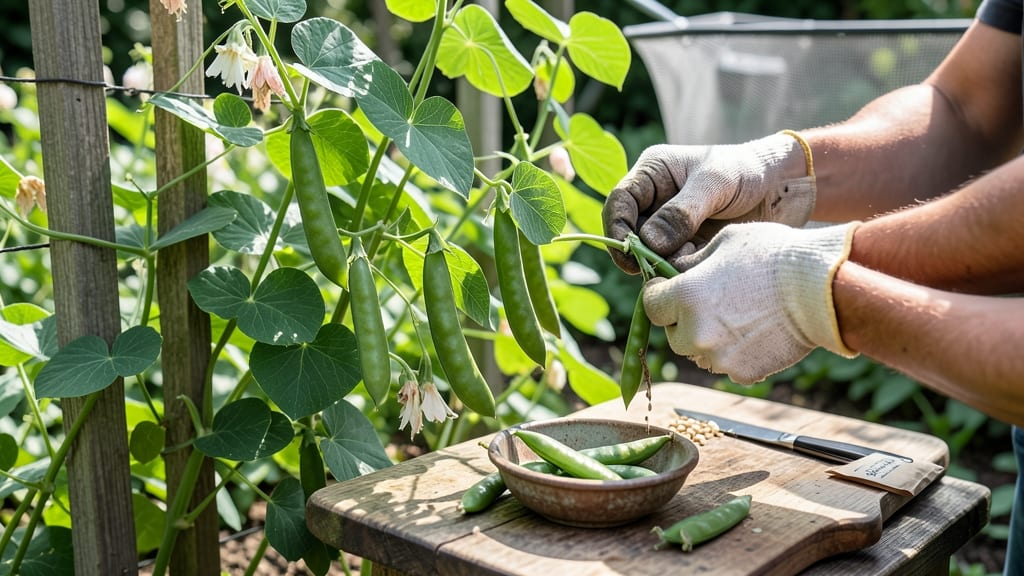
How to dry pea seeds properly is the secret to saving viable seeds for your next harvest—get it wrong, and you’ll end up with nothing but dust. 🌱 The difference between viable seeds and dust lies in how you handle them after picking; timing matters more than you think, and most gardeners overlook the critical drying phase. Peas ripen unevenly, so harvest pods when they’re fully swollen but still firm, usually 60-70 days after planting. Let them dry on the vine for a day first—this prevents mold from trapped moisture. Then, spread them in a single layer on a screen or paper towel in a dry, shaded spot for 1-2 weeks, stirring occasionally. You’ll know they’re ready when shells rattle like tiny maracas and seeds feel hard as pebbles. Store them in airtight containers with silica packets in a cool, dark place—properly dried seeds stay good for 3-5 years. The key is patience; rushing this step turns seeds to mush. Common mistakes? Skipping the vine-drying step or storing seeds too soon. Trust the process, and you’ll have next year’s peas ready to go by spring. Here’s how to do it right the first time.
📚 In This Guide
- What you need
- Instructions
- Tips and common mistakes
- Wrapping up and next steps
What you need
- ● Fresh pea pods: Harvest mature, fully ripened pea pods (preferably from organic or untreated plants). Aim for at least 50 pods for a reliable seed supply.
- ● Paper towels or newspaper: Use 2-3 sheets per batch to create a drying surface. Avoid plastic—it traps moisture!
- ● Fan or dehumidifier: A small household fan (set to low) or dehumidifier speeds up drying. Place it 6-12 inches away from the seeds.
- ● Airtight containers: Choose glass jars with lids (like mason jars) or paper envelopes for long-term storage. Label them clearly!
- ○ Humidity indicator (optional but helpful): A digital hygrometer (aim for 10-15% humidity) ensures optimal drying conditions.
- ● Temperature: A cool, dry space (60–75°F / 15–24°C) is ideal. Avoid direct sunlight or heat sources.
- ● Ventilation: Ensure good airflow to prevent mold. Open windows or use a small exhaust fan if needed.
- ● Time commitment: Drying takes 3–7 days, depending on humidity and airflow.
- ● Food dehydrator: Set to 95–115°F (35–46°C) for faster, controlled drying (24–48 hours).
- ● Silica gel packets: Place 1-2 packets in storage containers to absorb excess moisture.
- ● Seed catalog or notebook: Track varieties, harvest dates, and drying conditions for future reference.
Tips & tricks for perfect pea seed drying
A few key insights will help you avoid common pitfalls and get the most out of your seed-saving efforts.
Harvest Timing Secret: The crisp, papery feel of fully mature pea pods is your best indicator—don't rush it! I've learned the hard way that harvesting too early means underdeveloped seeds that won't germinate well. That 1-inch stem you leave attached really matters too; it helps the pod maintain its shape during drying and keeps seeds from spilling out when you handle them later.
Drying Environment Matters: That 65-75°F range is perfect for a reason—it's warm enough for thorough drying without risking heat damage. I've had best success using a mesh screen over a baking rack in my kitchen near a window (but out of direct sunlight). If your kitchen runs hotter, move the pods to a cooler spot like a basement or garage. The extra 1-2 weeks of patience pays off when you avoid moldy batches.
Seed Extraction Technique: When crushing the pods, work in small batches—overloading the bowl makes it harder to separate seeds cleanly. I use a clean rolling pin because it gives me better control than my hands, especially with tougher pods. That fine-mesh sieve is non-negotiable; it catches the good seeds while letting chaff and debris fall through. Don't skip the visual inspection for damaged seeds—just one moldy seed can contaminate your whole batch.
Storage Wisdom: The 35-40°F range in your fridge's crisper drawer works perfectly for long-term storage. I've found that adding a small silica gel packet to each jar makes a huge difference—it absorbs any lingering moisture that could shorten viability. Labeling with variety names and dates has saved me from planting the wrong seeds more times than I can count. And that 5-year viability window? It's why I always store extra seeds—I've had great success planting 4-year-old pea seeds that still germinated beautifully.
Pro Tips for Dry Pea Seeds
- A few key insights will help you avoid common pitfalls and get the most out of your seed-saving efforts.
- Harvest Timing Secret: The crisp, papery feel of fully mature pea pods is your best indicator—don't rush it! I've lea...
- Drying Environment Matters: That 65-75°F range is perfect for a reason—it's warm enough for thorough drying without r...
Frequently asked questions
Got questions about drying pea seeds? You’re not alone! Here are some of the most common queries—plus straightforward answers to help you nail the process every time.
How long does it take to fully dry pea seeds?
Pea seeds typically need 7–14 days to dry completely, depending on humidity and airflow. Spread them in a single layer and check daily—when they’re crispy to the touch and snap easily, they’re ready for storage. Patience is key!
Can I speed up the drying process?
Yes! Use a fan on low or a dehydrator (115°F/46°C) to cut drying time to 2–4 days. Just avoid high heat—it can damage viability. For extra speed, swap out damp seeds every 12 hours for fresh airflow.
What if my seeds won’t dry, even with good airflow?
Humidity is the sneaky culprit! If your area stays damp, try:
- A desiccant packet (like silica gel) in the drying tray.
- Moving to a dry, well-ventilated space (like a garage or basement).
- Using a small fan to keep air circulating.
How should I store dried pea seeds long-term?
Once dry, store seeds in airtight containers (glass jars or Mylar bags) with a desiccant packet to absorb moisture. Keep them in a cool, dark place (like a fridge or root cellar) for up to 5 years. Label with the date!
Can I reuse dried pea seeds for planting next year?
Properly dried and stored seeds can retain viability for 3–5 years. Test a few by planting them—if they sprout within 10–14 days, the rest are good to go. For best results, plant within 2 years for highest germination rates.
Wrapping up and next steps
Drying pea seeds properly is the secret to unlocking their full potential for future planting—whether for your garden or heirloom collection. By following these simple steps, you’ll ensure high viability and long-term storage success, saving time and effort in the long run.
Now that you’re equipped with the know-how, take that next step: harvest your peas, dry them with care, and store them in airtight containers—your future garden will thank you! 🌱✨