
How To
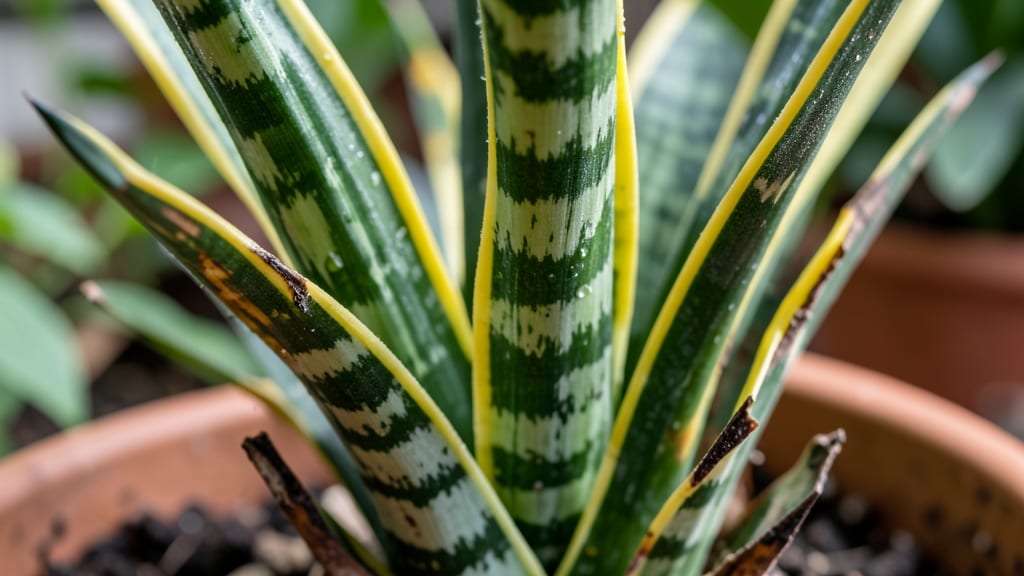
How to fix an overwatered snake plant—your drooping leaves are screaming for help. 🌱 The good news? Overwatered snake plants can bounce back with the right rescue plan—we’ve revived dozens using these exact steps. The first sign of trouble is often yellowing leaves or mushy stems, but don’t panic. What you need is patience, fresh soil, and a strict watering pause.
Start by gently removing the plant from its pot and inspecting the roots. Healthy roots are firm and white, while rotten ones are brown and mushy. Trim away the damaged roots with clean scissors, then let the plant air-dry for 24-48 hours before repotting.
This step alone stops the rot from spreading. Use a well-draining mix—cactus or succulent soil works perfectly—and a pot with drainage holes.
After repotting, wait 7-10 days before watering again, and even then, only give it a sip. Your snake plant will start showing signs of recovery in 2-4 weeks: new growth at the base and perky, upright leaves.
The key is consistency—snake plants thrive on neglect, not attention. Adjust your watering schedule to every 2-4 weeks, depending on your home’s humidity.
Prevention is easier than rescue. Stick your finger an inch into the soil before watering—if it’s damp, wait. Place your plant in bright, indirect light and avoid saucers that trap water.
With these adjustments, your snake plant will go from sad to thriving in no time. Trust the process, and soon you’ll have a lush, low-maintenance green friend again.
📚 In This Guide
- What you need
- Instructions
- Tips and common mistakes
- Wrapping up and next steps
What you need
- ● Well-draining potting mix: 2–3 gallons of a cactus/succulent blend (or 50% potting soil + 50% perlite/pumice). Avoid peat-heavy mixes!
- ● Clean, shallow container: A pot with drainage holes (1–2 inches larger in diameter than the plant’s current root ball).
- ○ Gloves (optional but recommended): To protect your hands from sharp roots or moldy soil.
- ● Pruning shears or clean knife: Sterilized with rubbing alcohol for trimming dead foliage or roots.
- ● Spray bottle: Filled with water (for misting only if needed—we’re drying things out!).
- ● Paper towels or newspaper: For blotting excess moisture during the process.
- ● Newspaper or tray: To catch runoff while the plant dries.
- ● Rooting hormone: For encouraging regrowth if you’re propagating saved leaves.
- ● Fungicide (mild): Like neem oil or hydrogen peroxide (3%) to treat moldy roots (dilute to 1:10 ratio).
- ● Humidity tray: A pebble tray with water (placed away from the plant) to maintain ambient moisture post-rescue.
- ● Grow lights: If your plant was in low light before—overwatering + weak light = double trouble!
Step-by-Step instructions for reviving an overwatered snake plant
Here's how I rescue snake plants—no matter how soggy their roots look.
🪴 Step 1: Remove the Plant from Wet Soil
Gently slide the plant from its pot, shaking off excess soil to reveal the roots. You'll likely see black, mushy areas—this is root rot, and it's the first sign of overwatering. The good news? Snake plants are tough, and we can still save them by cutting out the damaged parts.
Use clean, sharp scissors to trim away any blackened or squishy roots. Healthy roots should be firm and white or light tan. Don’t panic if it looks drastic—snake plants rebound fast once you remove the rot. Place the plant on a clean towel or paper to air-dry while you prep the next steps.
💧 Step 2: Air-Dry the Roots for 24-48 Hours
This is the critical step: letting the roots dry out completely prevents further rot and helps the plant recover. Prop the plant upright in a dry, shaded spot—no direct sunlight yet. You’ll see the roots start to firm up as moisture evaporates.
Check after 24 hours—if the roots still feel damp, give them another 12-24 hours. You’re aiming for roots that feel dry to the touch but aren’t brittle. This step is non-negotiable; rushing it can lead to more rot.
🌱 Step 3: Repot in Fresh, Well-Draining Soil
Fill a pot with a fast-draining mix—I use a blend of cactus/succulent soil and perlite (or even coarse sand) to mimic the plant’s natural arid habitat. The pot should have drainage holes, and you’ll want something slightly smaller than the original to encourage root regrowth.
Place the plant in the pot and fill around the roots with the dry mix, pressing gently to secure it. Don’t water yet—let the plant settle for 3-5 days before giving it a light drink. Overwatering again is the fastest way to undo your progress.
☀️ Step 4: Adjust Watering and Light Conditions
Snake plants thrive in bright, indirect light—now’s the time to move it back to its usual spot. Avoid direct sun for the first week, as the plant recovers. As for water, wait until the top 2-3 inches of soil are completely dry before giving it a sip. Stick your finger in the soil—if it’s damp, wait longer.
You’ll know it’s healing when new growth appears at the base. This can take 2-4 weeks, but be patient. Overwatering stress slows things down, but the plant will bounce back stronger than before.
✂️ Step 5: Monitor and Maintain Recovery
Check the plant weekly for signs of improvement—healthy roots will look firm, and leaves should stay plump and upright. If you see yellowing leaves, trim them off at the base to redirect the plant’s energy to new growth.
Once fully recovered, you can resume your normal watering schedule—every 2-3 weeks in most climates. The key takeaway? Snake plants are drought-tolerant; they’d rather be underwatered than overwatered. Trust the process, and your plant will thank you with lush, vibrant growth.
Tips & tricks for reviving an overwatered snake plant
Real talk: I've seen snake plants come back from the brink after weeks of soggy roots—here's what actually works.
The Trim Factor: When you're cutting away those black, mushy roots in Step 1, don't be shy—cut back to healthy, firm tissue. I've seen people hesitate and leave some rot behind, only to have the problem return. Use a clean knife or scissors and cut at an angle to maximize surface area for new growth. The plant will thank you with fresh roots within weeks.
Air-Drying Secrets: That 24-48 hour drying period in Step 2 is where most people mess up. I've learned the hard way that placing the plant on a paper towel helps wick away moisture faster. Also, avoid placing it near a heater or in direct airflow—you want slow, even drying, not a blast of hot air that can stress the plant. Think of it like letting a wet towel dry naturally rather than blowing it with a hairdryer.
Soil Mix Upgrade: While the instructions mention cactus/succulent mix, I've had great success adding a handful of orchid bark to the mix in Step 3. This extra chunky material improves drainage even more. Just make sure your pot has those drainage holes—no exceptions! I've seen people skip this and end up right back where they started with root rot.
Recovery Timeline: In Step 4, those 2-4 weeks for new growth to appear can feel like forever, but trust the process. I've tracked my plants' recovery in a journal and noticed that the first signs of new growth often appear right around the 3-week mark. If you're not seeing anything by week 4, check your light conditions—snake plants need that bright, indirect light to really bounce back.
Pro Tips for Fix An Overwatered Snake Plant
- Real talk: I've seen snake plants come back from the brink after weeks of soggy roots—here's what actually works.
- The Trim Factor: When you're cutting away those black, mushy roots in Step 1, don't be shy—cut back to healthy, firm ...
- Air-Drying Secrets: That 24-48 hour drying period in Step 2 is where most people mess up. I've learned the hard way t...
Frequently asked questions
Got questions about reviving your soggy snake plant? You’re not alone!
Here are answers to the most common concerns—plus quick fixes to get those leaves perky again.
How long does it take for an overwatered snake plant to recover?
Recovery time varies, but with proper air-drying (1–2 weeks) and fresh soil, most snake plants bounce back in 4–8 weeks. Yellow leaves may stay, but new growth should emerge healthy. Be patient—roots need time to heal!
Can I save a snake plant with mushy stems or black roots?
Yes, but act fast! Trim away black, mushy roots and stems with a sterile knife, then repot in well-draining soil. The plant may look sad at first, but it can regrow from healthy stems or even leaf cuttings.
How often should I water my snake plant after fixing overwatering?
Let the soil dry out completely between waterings—usually every 2–4 weeks (less in winter). Stick your finger 2 inches deep; if it’s dry, it’s time. Overwatering is the #1 killer, so err on the side of drought!
What’s the best soil mix to prevent future overwatering?
Use a chunky, fast-draining mix like:
- 50% cactus/succulent soil
- 30% perlite or pumice
- 20% orchid bark or coarse sand
My snake plant’s leaves are wrinkled—is that normal after overwatering?
Wrinkled leaves often mean root stress, but they’ll smooth out as the plant recovers. If they’re also soft or brown, trim them off. Focus on drying the roots and roots-only watering (no foliage splashes!) to help it heal.
Wrapping up and next steps
Your snake plant is resilient—with the right care, it’ll bounce back stronger than ever! 🌱 By air-drying the roots, refreshing the soil, and adjusting your watering routine, you’ve given it the best chance to recover. Remember, less water = more life for these drought-tolerant beauties.
Now that you’ve tackled the rescue, take the next step: monitor and thrive! Keep an eye on your plant’s progress, and soon, you’ll be rewarded with those iconic, happy green leaves. Happy planting! 🌿