
Watering
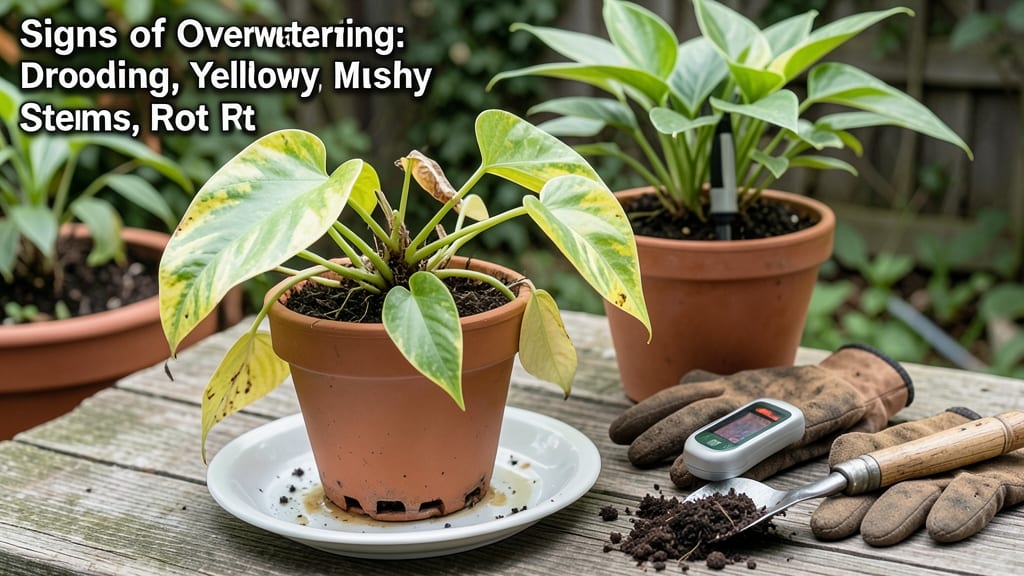
Your soggy plant isn’t dead yet—here’s how to help an overwatered plant before it’s too late. 🌱 I’ve nursed back more overwatered plants than I’d like to admit, and the key is acting fast before root rot takes over.
The good news? Most plants bounce back with the right care, and you don’t need fancy tools—just patience and a few simple steps.
First, check the roots: if they’re mushy or smell foul, you’re dealing with rot. Gently remove the plant from its pot, trim any blackened roots with clean scissors, and let the roots air-dry for 1-2 hours.
Then, repot in fresh, well-draining soil and hold off on watering for 3-5 days—yes, even if it looks wilted. The goal is to shock the plant into conserving moisture.
Within 3 days, you’ll see new signs of life: firmer leaves, slower wilting, and maybe even a few fresh growth tips. Keep the soil lightly moist (not damp) moving forward, and consider adding perlite or sand to improve drainage.
Prevention is easier: stick your finger in the soil before watering—if it’s still damp 1 inch down, wait another day.
This works for houseplants, herbs, and even young seedlings. The trick is consistency: overwatering happens when we love our plants too much. Trust the process—your plant’s roots will thank you with stronger growth in no time.
Root Causes of Overwatering
Overwatering might seem like a simple mistake—after all, plants need water, right? 🌱 But too much of a good thing can suffocate your green friends faster than you think. Let’s dig into the science behind why this happens and how even well-meaning gardeners accidentally turn their soil into a swamp.
---
When soil stays soggy for too long, it creates an anaerobic environment—meaning oxygen gets crowded out. Plant roots, like us, need oxygen to breathe!
Without it, they suffocate, leading to: - Root rot (a fungal or bacterial infection that gnaws at roots) - Stunted growth (the plant can’t absorb nutrients efficiently) - Yellowing leaves (a classic SOS signal from struggling roots)
Why it happens: - Heavy clay soil holds water like a sponge and drains poorly. - Plastic pots trap moisture longer than breathable fabric or terracotta. - Frequent watering without checking soil moisture (yes, even if it looks dry at the surface).
💡 Pro tip: Stick your finger 1–2 inches into the soil—if it’s damp, wait. If it’s bone-dry, you’ve been underwatering (not overwatering).
---
Not all soil is created equal. Some types act like a dam, while others let water flow freely.
If your plant’s pot or garden bed lacks proper drainage, excess water pools at the roots, drowning them in a few key ways: - No escape route: Water sits in the saucer under pots or low-lying garden spots. - Compacted soil: Tight, hard soil blocks water from seeping down, forcing roots to sit in a puddle. - Overpotting: A pot much larger than the plant’s root ball holds extra water that the roots can’t use quickly enough.
Why it happens: - Cheap pots without drainage holes (a common rookie mistake). - Mulch piled too high (it should sit 2–3 inches away from the stem to avoid suffocating the base). - Planting in depressions where rainwater collects.
🔥 Fix it fast: Poke holes in the bottom of pots if they don’t have them, or elevate containers to improve airflow.
---
Timing matters more than you’d think.
Watering at the wrong times or ignoring the plant’s needs can lead to chronic overwatering: - Watering on a schedule (e.g., every Monday) instead of checking moisture levels. - Ignoring seasonal changes (plants need less water in winter, even if you’re used to summer watering). - Overcompensating after drought by drowning the roots to "make up for it."
Why it happens: - Autopilot watering (out of sight, out of mind—especially for indoor plants). - Mistaking thirst for overwatering (some plants, like succulents, store water in their leaves and hate frequent drinks). - Using ice cubes or misting as a "gentle" watering method (this can create a humid microclimate that encourages rot).
✨ Smart move: Use the finger test (stick your finger in the soil) or a moisture meter to avoid guesswork.
--- Sometimes, overwatering isn’t your fault—it’s Mother Nature playing tricks.
Humidity, temperature, and even your home’s layout can turn your watering routine into a disaster: - High humidity (like in bathrooms or kitchens) slows evaporation, keeping soil wet longer. - Low light reduces a plant’s ability to transpire (release water vapor), so it stays soggy. - Cold temperatures (below 50°F) make soil drain slower, increasing rot risk.
Why it happens: - Placing plants in steamy spots (like near showers or humidifiers). - Keeping them in drafty areas (cold air + wet soil = root rot express lane). - Using tap water with high salts or chemicals that alter soil structure over time.
🌡️ Adjust accordingly: Move plants to brighter, drier spots in winter or use a dehumidifier if needed.
--- Not all plants are created equal—some are drama queens when it comes to water. If you’re growing a tropical fern next to a cactus, you’re setting yourself up for failure.
Even within the same species, age and health play a role: - Young plants have delicate root systems that rot faster. - Mature plants with large canopies need more water—but their roots also need time to dry out. - Stressed plants (from pests, disease, or transplant shock) are more vulnerable to overwatering.
Why it happens: - Mixing moisture-loving and drought-tolerant plants in the same pot. - Assuming all plants have the same needs (a common myth—always check care labels!). - Skipping the "acclimation period" after repotting (new soil holds water differently).
🎯 Know your plant: Research its native habitat—does it grow in bogs or deserts? That’s your clue!
Revive Your Plant Fast
Overwatering can feel like a death sentence for your green friend, but with the right moves, you can nurse it back to health—sometimes in just 3 days. The key is acting quickly, diagnosing the root cause (literally!), and applying targeted fixes.
Below, we break down the most common overwatering symptoms and the step-by-step solutions to turn things around.
---
Cause: Too much water suffocates roots, cutting off oxygen and nutrients. Fix: 1. 🔥 Stop Watering Immediately – Let the soil dry out completely before touching it again. 2. 🍳 Repot in Fresh Soil – Gently remove the plant, shake off old soil, and trim any mushy, black roots with sterilized scissors (✂️). 3. 👨🍳 Use Well-Draining Mix – Swap heavy soil for a chunky, aerated blend (cactus/succulent mix or add perlite/pumice). 4. 🥘 Water Lightly & Wait – Give it a sip of water, then wait until the top 1–2 inches of soil are dry before watering again.
💡 Pro Tip: If repotting isn’t an option, poke holes in the pot to improve drainage.
---
Cause: Fungal infections (like Phytophthora) thrive in soggy conditions. Fix: 1. 🔪 Prune Infected Areas – Snip off yellow/brown leaves and sterilize tools with rubbing alcohol. 2. 🌡️ Fungicide Treatment – Spray with hydrogen peroxide (3%) or a copper-based fungicide (follow label instructions). 3. ✨ Improve Airflow – Space plants apart and avoid overcrowding in humid areas. 4. 🎯 Adjust Watering Schedule – Water only when the top 2 inches of soil are bone-dry (use your finger to test!).
💡 Pro Tip: Baking soda spray (1 tsp per quart of water) can help prevent fungal spread.
---
Cause: Roots can’t breathe, leading to physiological drought (even when soil is wet). Fix: 1. 🥘 Soil Aeration Hack – Stick a chopstick or skewer into the soil to create air pockets. 2. 🌡️ Bottom Watering – Place the pot in a tray of water for 10–15 minutes, then drain excess. This encourages roots to seek oxygen. 3. 📊 Monitor Moisture Levels – Use a moisture meter or the finger test to avoid guesswork.
💡 Pro Tip: Orchids and ferns love humidity but hate soggy feet—never let them sit in saucers of water.
---
Cause: Overwatering + poor drainage = nutrient burn or osmotic stress. Fix: 1. 🔥 Flush the Soil – Run water through the pot for 1–2 minutes to leach out salts. 2. 🍳 Fertilize Lightly – Wait 2 weeks after recovery, then use a diluted, balanced fertilizer (half-strength). 3. 👨🍳 Adjust Pot Material – Terracotta wicks moisture; switch to plastic or glazed pots if needed.
💡 Pro Tip: Fish emulsion tea (brewed weak) can help restore microbial balance in soil.
--- - 🌡️ Check Soil Before Watering – Stick your finger in; if it’s damp, wait. - 🎯 Use the Right Pot – Holes are non-negotiable (unless it’s a self-watering system). - 💡 Self-Watering Systems? – Drain excess water daily to prevent buildup. - 🌱 Know Your Plant – Succulents? Once every 2–3 weeks.
Ferns? Weekly misting + saucer drainage.
--- ⏰ Time to Act: Most plants show signs of recovery in 3–7 days if you catch it early. Keep an eye on progress—healthy roots = happy plant!
Frequently asked questions
How can I tell if my plant is overwatered vs. underwatered?
Check the soil and leaves: overwatered plants have yellow, mushy leaves that fall easily, while underwatered ones show crispy brown edges. Stick your finger in the soil—if the top 1-2 inches are damp, you're likely overwatering. Also, overwatered roots smell foul when pulled.
Can I save a plant with completely black, smelly roots?
Trim all black/mushy roots with clean scissors, then repot in fresh, well-draining soil. Give it 3-5 days without water to dry out. If new white roots appear within 1 week, it's recovering! Severe cases may need a stronger fungicide treatment.
What's the best soil mix to prevent future overwatering?
Use a blend with 30% perlite/pumice and 70% potting mix for most plants. For succulents, go 50/50 cactus mix and perlite. Terracotta pots help too—they wick moisture away faster than plastic. Always add a 1-inch layer of gravel at the pot bottom.
How often should I water after reviving an overwatered plant?
Wait until the top 2 inches of soil are completely dry, then give it a light drink. Most plants need watering every 7-10 days after recovery. Use the finger test daily—if soil feels damp, wait one more day. Adjust based on your home's humidity.
Will my plant ever fully recover from severe overwatering?
Many plants bounce back if you catch it early! With proper care, you'll see new growth in 2-3 weeks. However, if the stems are hollow or the leaves are completely black and slimy, recovery is unlikely. Prevention is key—always check soil moisture before watering again.