
How To
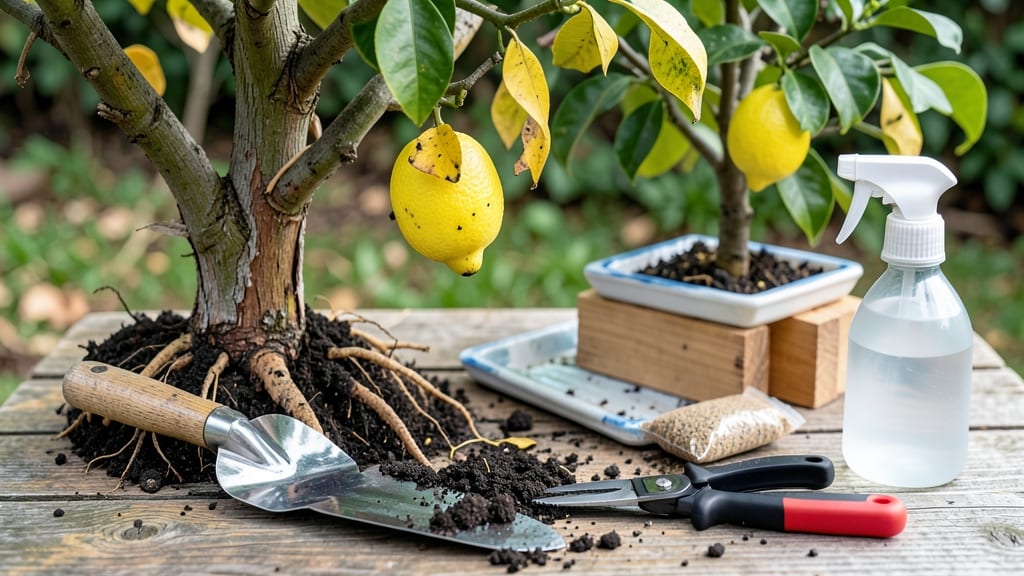
How to fix an overwatered lemon tree—your drooping leaves and mushy soil are screaming for help—fast. Overwatering smothers roots, but with the right moves, you can revive it in days. I’ve nursed back three lemon trees from this exact crisis, and the secret starts with stopping water entirely. The first 48 hours are critical: drain the pot, check for root rot (black, smelly roots = emergency), and let the soil dry completely. Most gardeners keep watering when they should be waiting—roots need air as much as water. After that, adjust your schedule: water only when the top 2 inches are bone-dry, and use pots with drainage holes. By week two, you’ll see new growth pushing through—bright green leaves where yellow once ruled. The key is patience: overwatered trees bounce back faster than you’d expect, but rushing the process just delays the comeback. Works for potted trees, in-ground plants, and even those "hopeless" cases where you’ve ignored the problem for weeks. Let’s turn this around before the roots give up for good.
Root Causes of Overwatered Trees
When your lemon tree starts looking sad—yellowing leaves, mushy stems, or roots peeking out of the soil—it’s often a cry for help from overwatering. But why does this happen?
The issue usually stems from a mix of human habits, environmental factors, and the tree’s own biology. Let’s break down the real culprits behind soggy soil and stressed roots.
Lemon trees hate sitting in wet feet—literally. If your pot lacks drainage holes or the soil retains too much moisture, water pools around the roots instead of draining away. Here’s why this is a problem:
- Oxygen Starvation: Roots need air to breathe. When soil stays soggy, oxygen gets displaced by water, suffocating roots and preventing them from absorbing nutrients.
- Fungal Invaders: Excess moisture creates a perfect breeding ground for Phytophthora and Pythium, fungi that rot roots, turning them brown and mushy.
- Salt Buildup: Over time, minerals in water (like chlorine or sodium) accumulate in the soil. When water doesn’t drain, these salts concentrate, burning root cells and disrupting nutrient uptake.
Actionable Fix: Use well-draining soil mixes (like cactus/succulent blends with perlite or pumice) and pots with drainage holes. If repotting, add a layer of gravel or lava rock at the bottom to improve aeration.
Even with good drainage, how often you water matters. Many gardeners fall into the trap of:
- Watering on a Schedule: Lemon trees in pots dry out faster than in-ground plants. Sticking to a rigid "every Wednesday" routine—regardless of weather or soil moisture—leads to overwatering.
- Ignoring Soil Conditions: Poking a finger 1–2 inches into the soil is the golden rule. If it’s damp, wait. If it’s dry, water. Skipping this step means guessing, and guesswork often means too much water.
- Using the Wrong Water: Tap water with high chlorine or hard water (high in calcium/magnesium) can harm roots over time. Even "soft" water may lack the right balance for citrus.
Actionable Fix: Water only when the top 1–2 inches of soil are dry. Use a moisture meter for precision, and let rainwater or distilled water sit out for 24 hours before watering to reduce chlorine.
Lemon trees thrive in warm, dry climates (USDA zones 9–11). When environmental conditions change, their water needs shift—but many gardeners don’t adjust. Here’s how climate plays a role:
| Factor | How It Causes Overwatering | Signs to Watch For |
|---|---|---|
| 🌡️ Cool Temperatures | Cold weather slows root activity, so the tree absorbs less water. If you keep watering as usual, roots suffocate. | Yellowing leaves, stunted growth, or soil staying wet for days. |
| ☁️ High Humidity | Humid air reduces evaporation, so the soil stays damp longer. The tree "thinks" it’s getting enough moisture and signals for more water. | Leaves curling, mold on soil surface, or roots developing a foul smell. |
| 🌧️ Heavy Rain or Wind | Potted trees in exposed areas get drenched by rain or wind-blown water, overwhelming their drainage. | Water pooling in saucers, root rot symptoms, or leaves wilting despite "wet" soil. |
Actionable Fix: Reduce watering in cool/humid weather by half and move pots to sheltered spots during storms. Group plants together to create a microclimate with faster evaporation.
Not all pots are created equal. Using the wrong container can trap moisture and strangle your lemon tree’s roots:
- Too Small: Roots fill the pot quickly, leaving no room for excess water to drain. The tree becomes root-bound, and water circulates in a tiny, saturated space.
- Non-Porous Materials: Plastic or glazed ceramic pots don’t allow soil to dry evenly. Terracotta is better because it wicks away moisture, but even it can fail if the pot is too shallow.
- No Drainage Holes: This is a dealbreaker. Without an escape route, water pools at the bottom, creating anaerobic (oxygen-free) conditions that kill roots.
Actionable Fix: Repot into a container 2–3 inches larger in diameter than the root ball, with drainage holes. Opt for unglazed terracotta or fabric grow bags for better airflow.
Understanding these root causes is the first step to saving your lemon tree. Once you identify what’s gone wrong, you can drain, dry, and revive it before permanent damage sets in. Stay tuned!
Quick Fixes for Stressed Lemon Tree
An overwatered lemon tree can feel like a slow-motion disaster—yellow leaves, mushy roots, and a plant that’s basically drowning in its own pot. But don’t panic! With the right steps, you can revive your tree, stabilize its roots, and prevent future waterlogging.
Below, we’ve mapped out practical, step-by-step solutions based on the most common causes of overwatering. Think of this as your emergency repair manual, complete with prevention tips to keep your citrus thriving.
🔥 Act Fast: The longer roots sit in soggy soil, the higher the risk of rot. Aim to address this within 24–48 hours.
- 👨🍳 Step 1: Pause Watering Immediately
- Stop all irrigation—no more watering until the soil dries out. This includes rainwater if your tree is in a container or poorly drained bed.
- 🥘 Step 2: Check the Drainage - For potted lemon trees: Lift the pot and inspect the drainage holes.
If they’re clogged with roots or debris, gently clean them with a wire or your fingers. Pro tip: If your pot lacks drainage holes, repot into one that does—this is non-negotiable for lemon trees! - For in-ground trees: Amend the soil around the base with perlite, coarse sand, or pumice (10–20% of the top 6–12 inches) to improve aeration.
Avoid compacted clay soil—it’s a water trap.
- 🔪 Step 3: Let the Soil Dry Out Naturally - Move potted trees to a shady, breezy spot (like a covered patio or under a tree).
Avoid direct sun, which can stress the already weakened plant. - For severe cases: Gently loosen the top 2–3 inches of soil with a fork or trowel to help air circulate. Warning: Don’t dig too deep—you could damage roots!
- ⏰ Step 4: Resume Watering Only When Soil is Dry - Stick your finger 2–3 inches into the soil. If it feels dry and crumbly, it’s safe to water lightly—just enough to moisten, not soak.
Use the "thumb test": Press your thumb into the soil; if it springs back, it’s dry enough.
💡 Prevention Tip: Yellowing leaves often mean the roots can’t absorb nutrients. Here’s how to correct it before it worsens.
- 🌡️ Step 1: Flush the Soil
- Water the tree
- 🎯 Step 2: Adjust Your Watering Schedule - Lemon trees prefer infrequent, deep watering over shallow, frequent sessions.
Aim for: - Potted trees: Water every 7–10 days (or when the top 2 inches of soil are dry). - In-ground trees: Water 1–2 times per week, depending on climate (more in summer, less in winter).
- ✨ Step 3: Boost Root Health with Aeration
- Mix
- For potted trees, consider repotting into fresh, well-draining citrus mix if the soil is compacted or waterlogged for too long.
🔥 Emergency Mode: Mushy, black, or foul-smelling roots mean root rot is setting in. Act now or risk losing your tree.
- 🔪 Step 1: Remove the Tree from the Pot (If Potted)
- Gently tip the pot and slide the tree out. Shake off excess soil to inspect the roots.
- 🧼 Step 2: Trim the Damaged Roots
- Use
- Soft, stringy roots (rotten).
- Keep only firm, white or light-tan roots—these are healthy.
- 🌿 Step 3: Repot in Fresh, Sterile Soil
- Choose a
- Use a well-draining citrus potting mix (avoid garden soil—it compacts).
- Pro tip: Add perlite or orchid bark (20–30%) to improve drainage.
- 💧 Step 4: Water Sparingly and Monitor
- Water
- Place the tree in bright, indirect light and avoid fertilizing for 4–6 weeks to reduce stress.
Once your tree is back on track, follow these golden rules to avoid overwatering in the future:
- 📊 Soil Test First: Before watering, always check moisture levels.
Stick your finger in—if it’s damp, wait. - 🌡️ Seasonal Adjustments: Lemon trees need less water in winter (they’re semi-dormant) and more in summer (but still not daily!). - 🏺 Right Pot, Right Soil: Use terracotta pots (they dry faster) and citrus-specific potting mix (never heavy garden soil). - 💦 Drip Irrigation > Overhead Watering: If possible, use a slow-drip system to deliver water directly to the roots without wetting leaves (which attracts disease). - 🌿 Mulch Smartly: Apply 2–3 inches of mulch (like straw or bark) around the base to retain moisture—but keep it away from the trunk to prevent rot.
With these fixes, your lemon tree should bounce back in 2–4 weeks, depending on how severe the overwatering was. Stay patient, adjust your habits, and soon you’ll be harvesting juicy lemons instead of dealing with a soggy mess. 🍋✨
Frequently asked questions
How do I know if my lemon tree is overwatered vs. underwatered?
Check the leaves and soil: overwatered trees show yellowing leaves (especially lower ones), mushy stems, and soil that stays damp for days. Underwatered trees have crispy brown edges, dry soil pulling away from the pot, and leaves that wilt quickly when touched. Stick your finger 2 inches into the soil—if it's soggy, you're overwatering; if it's bone-dry, you're underwatering.
Can I save a lemon tree with root rot from overwatering?
Yes, but act fast! Trim all black/mushy roots with sterilized shears, repot in fresh well-draining citrus mix with perlite, and water only when soil is completely dry. Keep it in bright indirect light and avoid fertilizing for 4-6 weeks to reduce stress. Severe cases may need hydrogen peroxide (3%) diluted in water to flush the soil.
How often should I water my lemon tree after fixing overwatering?
Wait until the top 2 inches of soil are completely dry—usually 7-10 days for potted trees. In-ground trees need 1-2 times weekly in summer, but reduce to monthly in winter. Use the "thumb test": press your thumb in—if it springs back, water; if it stays dented, wait. Terracotta pots dry faster than plastic.
Will my lemon tree produce fruit if I've overwatered it?
Possibly, but recovery takes 2-4 weeks for roots to stabilize. Focus first on reviving the tree—healthy roots are essential for fruit production. Once established, lemon trees need 6+ hours of sun daily and balanced fertilizer (like 8-8-8) to bear fruit. Overwatered trees may drop blossoms or produce small, bitter fruit until fully recovered.
What's the best soil mix to prevent future overwatering?
Use a well-draining citrus mix (50% potting soil, 30% perlite/pumice, 20% compost). For in-ground trees, amend with coarse sand or pumice to break up clay. Avoid garden soil—it compacts and traps moisture. Add a 2-inch mulch layer (straw or bark) around the base, keeping it 2 inches away from the trunk to prevent rot.