
Container Gardens
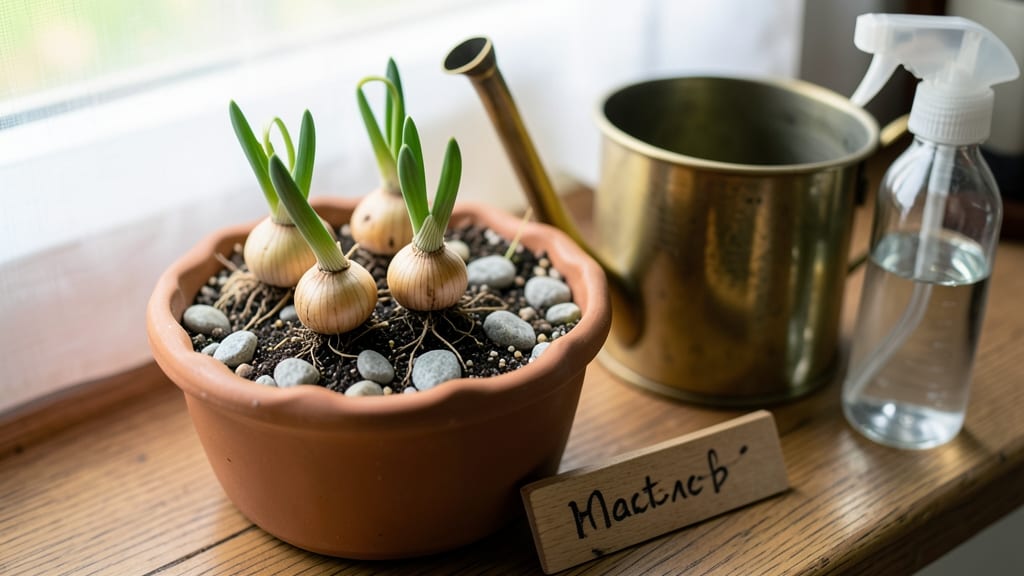
How to force daffodil bulbs indoors turns winter into a season of sunshine and scent. 🌱 I've forced bulbs for Christmas gifts and Valentine's Day surprises—each time, the bright blooms arrive exactly when I need them, proving this isn't just possible, it's foolproof with the right prep.
Here's the secret: those cheery yellow blooms need a cold snap first. You'll chill bulbs for 12-16 weeks in the fridge, then move them to bright light where they'll push stems in just 3-4 weeks.
The trickiest part is patience—rushing the cold treatment guarantees weak stems, but once you nail the timing, you'll get blooms when store-bought flowers can't compete.
By the time blooms appear, you'll have transformed a simple container into a fragrant centerpiece. The bulbs even rebloom next year if you plant them outside after forcing, making this a two-for-one gardening hack. No greenhouse or fancy equipment needed—just your kitchen and a little planning.
Perfect for holiday tables, Mother's Day gifts, or just brightening gray winter days. The first time I saw those stems emerge through the soil, I knew I'd never buy cut daffodils again—here's how to get the same results.
📚 In This Guide
- What you need
- Instructions
- Tips and common mistakes
- Wrapping up and next steps
What you need
- ● Daffodil bulbs: 3–5 medium-sized bulbs (6–8 cm in diameter) for optimal blooms. Choose Narcissus varieties like 'Ice Follies' or 'Tête-à-Tête' for indoor forcing.
- ● Well-draining potting mix: 1–2 gallons of a bulb-specific or cactus/succulent mix (avoid heavy garden soil).
- ● Pot with drainage holes: A shallow container (6–8 inches deep) with a saucer or tray to catch excess water.
- ● Gravel or perlite: 1–2 inches for the pot’s base to improve drainage.
- ● Watering can or spray bottle: For gentle hydration (no soaking!).
- ● Cool, dark space: A basement, garage, or refrigerator (50–60°F / 10–15°C) for the chilling phase (8–12 weeks).
- ● Bright, indirect light: A sunny windowsill or grow light (12+ hours/day) after chilling.
- ● Fertilizer: A balanced, water-soluble fertilizer (5-10-5 ratio) diluted to half-strength for post-chilling growth.
- ● Decorative pot liner: For a polished look (e.g., moss or fabric).
- ● Thermometer/hygrometer: To monitor temperature and humidity if forcing in tricky spaces.
- ● Floral preservative: Extends vase life if you cut blooms for arrangements.
How to force daffodil bulbs indoors: step-by-step instructions
Here's how to coax vibrant daffodil blooms indoors—no greenhouse needed, just patience and the right timing.
🌱 Step 1: Select and Prepare Healthy Bulbs
Choose firm, plump daffodil bulbs—avoid any with soft spots or mold. I always pick bulbs labeled "for forcing" as they're pre-chilled and ready to bloom faster. Place them in a shallow container (like a wide tray) with 1-2 inches of pebbles or sand at the bottom. This ensures drainage while keeping the bulbs elevated.
The key here is spacing—arrange bulbs 2-3 inches apart so they don’t touch. Crowding leads to weak stems and fewer blooms. Cover the bulbs with 2-3 inches of moist potting mix, leaving the top third exposed. This mimics their natural winter dormancy while allowing them to sense light for blooming.
💧 Step 2: Simulate Winter Conditions
Daffodils need a 12-16 week cold period to trigger blooming. Place the container in a dark, cool spot (like a garage or basement) where temperatures stay between 35-50°F. I use a cardboard box to block all light—even a little sunlight can wake the bulbs too soon and prevent flowering.
Check the soil weekly—it should stay slightly moist but never soggy. If it feels dry to the touch, add a tiny bit of water. This mimics natural winter moisture without drowning the bulbs. After 8-10 weeks, you’ll see the first signs of green shoots—this is your cue to move them to brighter conditions.
☀️ Step 3: Move to Light and Warmth
Once shoots reach 1-2 inches tall, transfer the container to a bright, cool room (like a sunny windowsill) with temperatures between 55-65°F. South-facing windows work best, but if your light is weak, supplement with a grow light 12 inches above for 14 hours daily. Leggy, pale stems mean more light is needed.
Water gently from the bottom by placing the container in ½ inch of water for 10 minutes, then drain. This prevents rot while keeping roots hydrated. You’ll notice leaves emerging within 2-3 weeks—this is when the magic happens. The bulbs are now actively growing toward their first bloom.
⏰ Step 4: Encourage Blooming with Controlled Conditions
When flower buds form (usually 4-6 weeks after moving to light60-65°F during the day and 55-60°F at night.
Here’s the thing—daffodils forced indoors bloom best when they’re slightly stressed. Avoid fertilizing during this time, as it encourages leaf growth over flowers. Instead, let nature take its course. You’ll see buds open fully in 7-10 days, and each bloom lasts 3-5 days—so enjoy them while they last!
🪴 Step 5: Extend the Display and Plan for Next Year
Once blooms fade, don’t toss the bulbs! Let the leaves yellow naturally—this feeds the bulb for next year’s growth. Place the container back in a bright spot and water lightly until leaves turn brown. Then, dig up the bulbs, dry them for 1-2 weeks in a cool, dry place, and store them in a mesh bag until fall planting.
For repeat forcing, replant bulbs in the garden after their last indoor display. They’ll naturalize and multiply, giving you free blooms for years. If you want to force them again next winter, repeat the chilling process—it’s that simple.
✂️ Step 6: Troubleshoot Common Issues
No blooms? You likely didn’t chill the bulbs long enough. Next time, extend the cold period by 2-4 weeks. Weak stems? Your light was too dim—move closer to the window or add a grow light. Yellow leaves? Overwatering is the culprit—let the soil dry slightly between waterings.
Real talk: Forcing daffodils indoors is forgiving, but timing is everything. If you rush the cold period, you’ll get leaves but no flowers. Patience pays off—those first bright blooms in winter are worth every week of waiting.
Tips & tricks for perfect indoor daffodil blooms
Here’s what nobody tells you—these small tweaks make all the difference between leafy disappointment and stunning winter blooms.
Bulb Selection Matters: Skip the grocery store bulbs—opt for pre-chilled, forcing-specific daffodils from specialty nurseries. These bulbs have already undergone the initial cold treatment, cutting your forcing time by 4-6 weeks. Look for firm, heavy bulbs with tight papery skins; any soft spots or mold mean they won’t bloom. I’ve ruined three batches using regular garden bulbs that just wanted to grow leaves instead of flowers.
Light Control is Critical: During the 12-16 week cold period, absolute darkness is non-negotiable. Even a tiny crack of light can trick the bulbs into waking too soon. Use a lightproof box (like a cardboard storage container with black plastic wrap) if your garage or basement has any ambient light. Once shoots appear, move them to bright, indirect light—south-facing windows are ideal, but supplement with a grow light if needed. Leggy stems mean more light is needed.
Timing the Transition: The moment shoots reach 1-2 inches tall is your cue to move them to warmer conditions. This is when the bulbs are most sensitive to temperature changes. I’ve seen beginners rush this step and end up with weak, floppy stems. Gradually introduce them to 55-65°F temperatures over 2-3 days to avoid shock. The first 2-3 weeks after this move are when you’ll see the most dramatic growth.
Watering Wisdom: Bottom-watering is your secret weapon. Place the container in ½ inch of water for 10 minutes, then drain completely. This prevents soggy soil while ensuring roots get consistent moisture. Overwatering is the #1 reason for yellow leaves and bulb rot. I’ve had bulbs last three full forcing cycles using this method—just let the top inch of soil dry between waterings after the blooming stage.
Pro Tips for Force Daffodil Bulbs Indoors
- Here’s what nobody tells you—these small tweaks make all the difference between leafy disappointment and stunning winter blooms.
- Bulb Selection Matters: Skip the grocery store bulbs—opt for pre-chilled, forcing-specific daffodils from specialty nurseries.
- Light Control is Critical: During the 12-16 week cold period, absolute darkness is non-negotiable.
Frequently asked questions
Got questions about forcing daffodil bulbs indoors?
You’re not alone! Here are answers to the most common queries to help you grow vibrant blooms year-round with confidence.
How long does it take for daffodil bulbs to bloom indoors?
With proper chilling (8–12 weeks at 35–45°F), most daffodil bulbs will sprout within 2–4 weeks after planting and bloom 4–6 weeks later. Patience pays off—rushing the process can delay or reduce flowering!
Can I force daffodil bulbs without a refrigerator?
Yes! Use a cool, dark basement, garage, or even a root cellar (40–50°F). Avoid temperature swings—consistency is key. If outdoors, bury bulbs in a container filled with soil and cover with mulch for natural chilling.
Why aren’t my daffodil bulbs sprouting after chilling?
Check these fixes:
- Temperature shock: If bulbs warmed too fast, place them back in cold (35–45°F) for another 2 weeks.
- Rot or mold: Trim any mushy spots and replant in fresh, dry potting mix.
- Dormancy: Some varieties need longer chilling—extend to 14 weeks if needed.
How do I keep forced daffodils blooming longer?
Once in bloom, place them in a cool room (60–65°F) away from direct sunlight or heat sources (like radiators). Change water every 2–3 days and trim stems at an angle to prolong vase life. Avoid ethylene-producing fruits/veggies nearby—they speed up wilting!
Can I reuse forced daffodil bulbs for next year?
Unfortunately, no. Forced bulbs expend all their energy blooming indoors and won’t rebloom. But you can plant them outdoors after flowering—they’ll naturalize and return for future seasons! Choose a sunny spot with well-draining soil for best results.
What’s the best potting mix for forcing daffodils?
Use a lightweight, well-draining mix like:
- 50% peat moss or coconut coir (retains moisture)
- 30% perlite or vermiculite (aeration)
- 20% compost or worm castings (nutrients)
Wrapping up and next steps
Forcing daffodil bulbs indoors is a rewarding way to bring early spring cheer into your home—no green thumb required! 🌼 With just a few simple steps, you’ll enjoy vibrant blooms months before they’d naturally appear outside.
Start small, experiment with varieties, and soon, you’ll have a year-round display of color and freshness.
Ready to try? Grab a bulb (or two!) and get started today—your future self will thank you. Once you’ve mastered the basics, explore creative arrangements or even grow from cuttings to expand your indoor garden. Happy blooming!