
Blooming
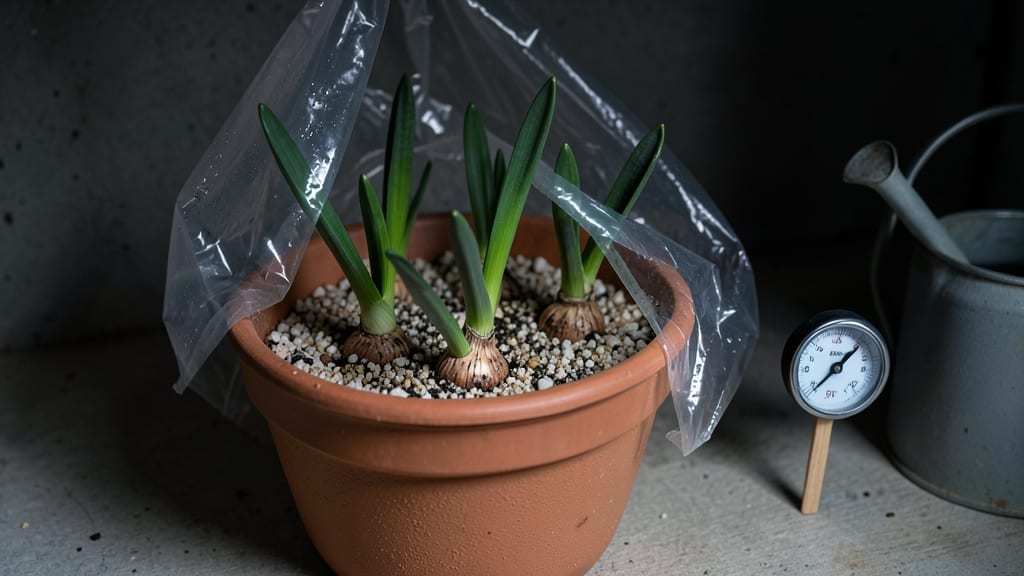
How to force daffodils indoors means Christmas blooms when nothing else is in season. ✨ I’ve forced bulbs for holidays since my first apartment—now my kitchen table becomes a winter garden, bright with golden trumpets by December. The secret isn’t complicated: chill the bulbs first, then trick them into thinking spring’s arrived. You’ll need daffodil bulbs (not all varieties work), a shallow container, and a pot of boiling water. The process takes 10-12 weeks, but the payoff is worth every week of anticipation. By Valentine’s Day, you’ll have vibrant, fragrant blooms that last for days in a vase. The best part? You can repeat this every year with the same bulbs—just replant them outside after they fade. Works for paperwhite daffodils (the easiest) or classic varieties like ‘Ice Follies’. Here’s how to do it without the usual mess or failed blooms.
📚 In This Guide
- What you need
- Instructions
- Tips and common mistakes
- Wrapping up and next steps
What you need
- ● Daffodil bulbs: 3–10 bulbs (depending on desired display size; choose firm, undamaged bulbs with papery skins).
- ● Water: 2–3 gallons (enough to fully submerge bulbs + 1–2 inches of headspace).
- ● Large pot or container: 1 (10–12" diameter, with drainage holes if repurposing). Tip: Glass jars or vases work, but opaque containers hide root growth.
- ● Pebbles or gravel: 1–2 cups (for drainage and bulb stability).
- ○ Potting soil or floral foam: 1–2 cups (optional but recommended for anchoring bulbs).
- ● Newspaper or black paper: 1 sheet (to cover bulbs and block light during forcing).
- ○ Kitchen scale (optional): For precise water measurements (aim for 60–68°F for best results).
- ○ Thermometer (optional): To monitor water temp (critical for cold-water forcing).
- ● Scissors or knife: For trimming stems (if prepping bulbs ahead of time).
- ○ Decorative elements (optional): Ribbon, pebbles, or moss for aesthetic touches.
Step-by-step instructions for forcing daffodils indoors
Here's how to coax those cheerful blooms indoors weeks before spring arrives.
🌱 Step 1: Select and Prepare the Bulbs
Choose firm, plump daffodil bulbs that show no signs of mold or soft spots. I always pick varieties like 'Ice Follies' or 'Tête-à-Tête'—they're proven performers for forcing. Soak the bulbs in lukewarm water for 12 hours to hydrate them before planting. This jumpstarts root growth and ensures they'll wake up faster.
Fill your container with well-draining potting mix (never garden soil—it compacts and rots bulbs). Plant the bulbs 2-3 inches deep, with the pointed end facing up. Space them 1-2 inches apart—closer spacing gives a denser display. Tap the soil gently to settle it around the bulbs without compacting it.
💧 Step 2: Water and Chill for Root Development
Water the planted bulbs thoroughly until moisture seeps from the drainage holes. Let them drain completely, then place the container in a dark, cool spot where temperatures stay between 35-45°F. A garage, basement, or refrigerator works perfectly. This chilling period mimics winter conditions and encourages strong root growth.
Check the soil every 2-3 weeks—it should stay slightly moist but never soggy. If the mix feels dry to the touch, water lightly from the bottom by placing the container in an inch of water for 10-15 minutes. Roots will form in 8-12 weeks, but don't peek—they need complete darkness to develop properly.
☀️ Step 3: Move to Light and Monitor Growth
When you see green shoots emerging (usually after 8-12 weeks of chilling), move the container to a bright, cool spot with indirect light. A north-facing window or under a grow light works best. Avoid direct sun—it scorches the delicate leaves and stems. Rotate the container a quarter turn every few days so the plants grow straight and even.
Water gently from the bottom to keep the soil consistently moist but not waterlogged. You'll notice the stems lengthen rapidly—this is normal! Once the flower buds appear, increase light slightly to encourage blooming. If the foliage yellows or wilts, reduce watering immediately—overwatering is the fastest way to kill forced daffodils.
⏰ Step 4: Time the Blooms for Your Event
Daffodils typically bloom 4-6 weeks after shoots emerge, depending on the variety. To time them perfectly for a holiday or special occasion, start the chilling period 12-14 weeks before you want blooms. For example, if you're aiming for Valentine's Day, begin in early October. Adjust the timing by 1 week for each week earlier or later you want flowers.
Once the blooms open, enjoy them indoors for 5-7 days before they fade. After forcing, you can plant the bulbs outdoors in fall—they may bloom again next spring! If you want to repeat the process, store the bulbs in a cool, dry place until next year.
Tips & tricks for perfect forced daffodils
Here's what nobody tells you about forcing daffodils—these tricks make all the difference between wimpy sprouts and showstopping blooms.
Selection Tip: For best results, choose bulbs that are firm and plump with no signs of mold or soft spots. The 12-hour soak in lukewarm water is non-negotiable—it jumpstarts root development. I've learned the hard way that skipping this step can delay blooming by 1-2 weeks. Pro tip: If your bulbs have dried out, soak them for 24 hours instead to fully rehydrate.
Container Strategy: Use a container with drainage holes—terracotta pots work beautifully for this. If your container lacks drainage, drill holes in the bottom yourself. The 2-3 inch planting depth is crucial; planting too shallow can expose bulbs to rot, while planting too deep may prevent proper growth. For a denser display, space bulbs 1 inch apart instead of the standard 1-2 inches—just be prepared for slightly smaller blooms.
Chilling Wisdom: The 35-45°F temperature range is critical for mimicking winter conditions. If your garage or basement runs warmer, place the container on a bed of ice packs or in a cooler. Never use the fridge's crisper drawer—the humidity can cause rot. I keep a small thermometer nearby to monitor temps, especially in unpredictable spaces like basements where temperatures can fluctuate wildly.
Light Transition: When you see those first green shoots after 8-12 weeks, resist the urge to rush them into bright light. Start with indirect light for the first week to prevent shock. I've seen shoots wilt dramatically when exposed to direct sunlight too soon. Once they're established, gradually increase light exposure over 3-4 days to help them acclimate.
Pro Tips for Force Daffodils
- Here's what nobody tells you about forcing daffodils—these tricks make all the difference between wimpy sprouts and s...
- Selection Tip: For best results, choose bulbs that are firm and plump with no signs of mold or soft spots. The 12-hou...
- Container Strategy: Use a container with drainage holes—terracotta pots work beautifully for this. If your container ...
Frequently asked questions
Got questions about forcing daffodils?
Here are answers to the most common ones to help you bloom early with confidence!
What’s the best time to start forcing daffodils?
For the best results, start forcing daffodils 6–8 weeks before your target bloom date. If you want them ready by Valentine’s Day (February 14), begin in early January. Late bloomers? Adjust timing accordingly—just ensure bulbs have roots before forcing begins!
Can I force daffodils that are already blooming?
Nope! Only use unplanted, dormant bulbs (or those dug up last fall). If your daffodils have already bloomed outdoors, they’ve already used their energy. Forcing requires fresh, healthy bulbs with stored nutrients—no shortcuts!
What if my daffodils rot or mold during forcing?
This usually happens from overwatering or poor drainage. Ensure your container has drainage holes and only water when the top inch of soil feels dry. If you spot mold, remove the affected bulb immediately and refresh the water/soil. A splash of hydrogen peroxide (1 tsp per gallon) can help prevent future issues.
Do I need a dark room to force daffodils?
Yes! Daffodils need total darkness (like a closet or box) for the first 8–10 weeks. Even a tiny bit of light can trigger premature blooming. Once buds form, move them to a bright, cool spot (60–65°F) to encourage flowering. Think of it like a secret garden—no peeking!
Can I reuse forced daffodil bulbs?
Unfortunately, no. Forced bulbs exhaust their energy blooming indoors and won’t rebloom. Plant them outdoors after forcing to enjoy future seasons! Choose healthy bulbs each year for the best results—think of it as an annual treat, like holiday cookies.
Pro Tip:
Label your containers! Daffodil varieties bloom at different times, and tracking them helps you plan for staggered, long-lasting blooms. A simple popsicle stick with the name and forcing date works perfectly.
Wrapping up and next steps
Forcing daffodils is a rewarding way to bring early spring cheer indoors—no gardening experience needed! 🌸 With the right bulbs, a simple boil-and-pour method, and a little patience, you’ll soon enjoy vibrant blooms that defy winter’s chill.
Start small, experiment with containers, and don’t hesitate to get creative with your setup.
Ready to bloom with confidence? Grab those bulbs and a cozy spot by the window—your forced daffodils will thank you! Next step: Share your progress with fellow plant lovers or try forcing another variety like tulips or hyacinths for a full seasonal display.