
Propagation
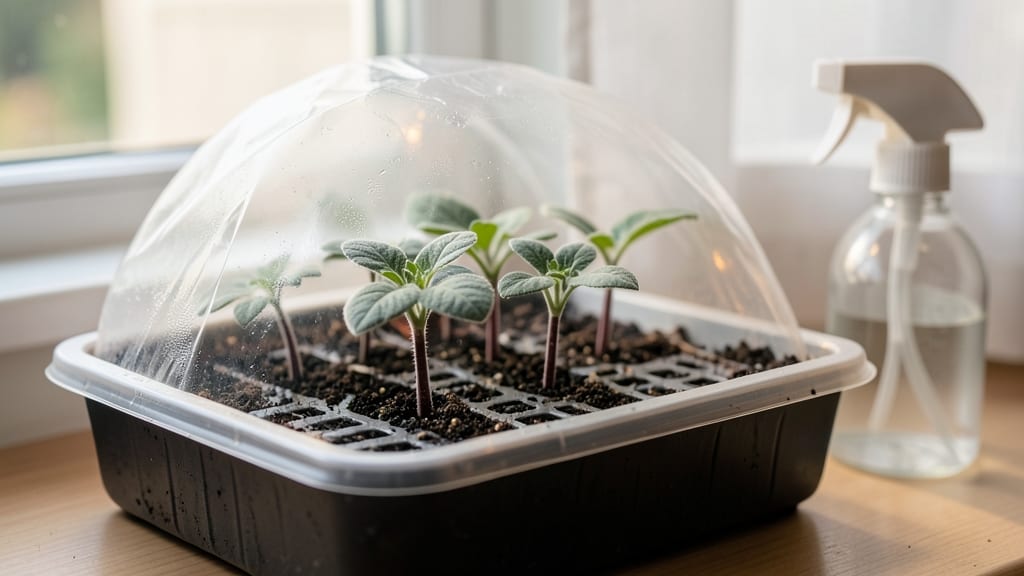
Germinating eggplant seeds fast feels like cheating the system. 🌱 I’ve watched them pop in 3-5 days using this warm towel trick—no fancy equipment, just a little heat and patience. The key? Mimicking the tropical soil conditions eggplants crave before they’ll even think about sprouting.
Start by soaking seeds overnight in warm water, then wrap them in a damp paper towel tucked inside a sealed plastic bag. Place it near a heat source (like the top of your fridge) where it stays between 75-85°F.
Check daily—once roots peek out, they’re ready to plant. Overwatering here is the real enemy; keep that towel just damp, not soggy.
Within a week, you’ll have sturdy seedlings with true leaves, ready to transplant. The trick works because eggplants are finicky about cold soil—they’ll sulk for weeks if conditions aren’t just right. This method skips the waiting game and gets them growing when they’re ready.
Perfect for gardeners in short seasons or anyone tired of waiting months for slow starters. Once you try it, you’ll never go back to the old "plant and hope" method. Here’s how to do it right the first time.
📚 In This Guide
- What you need
- Instructions
- Tips and common mistakes
- Wrapping up and next steps
What you need
- ● Eggplant seeds: Fresh, high-quality seeds (check the packet for viability dates). Quantity: 5–10 seeds per batch (or more if experimenting!).
- ● Paper towels or seed-starting pads: White or unbleached, soft, and absorbent. Size: Large enough to hold seeds in a single layer (e.g., 12" x 12" or larger).
- ● Spray bottle (with water): Fine-mist setting to keep towels moist without soaking them.
- ● Plastic wrap or ziplock bag: Clear and sealable to create a humid microclimate.
- ● Container or tray: Shallow and wide (e.g., a baking dish, plastic takeout container, or seed tray).
- ● Water (room temperature):strong> Filtered or distilled works best to avoid contaminants.
- ● Heating mat: Set to 75–85°F (24–29°C) for faster germination (accelerates sprouts by 1–2 days!).
- ● Grow lights or sunny windowsill: A south-facing window or LED grow light (12–16 hrs/day) once sprouts emerge.
- ● Pencil or toothpick: For gently pressing seeds into the towel (if needed).
- ● Small fan: On low setting to improve air circulation and prevent mold.
- ● Notebook/pencil: To track germination progress (fun for beginners!).
Step-by-Step instructions for germinating eggplant seeds fast
Here's the warm towel method I swear by—it cuts germination time in half.
🌱 Step 1: Soak Seeds Overnight for Maximum Speed
Place the 4 eggplant seeds in a small bowl and cover them with lukewarm water. Let them soak for 12-24 hours—this softens the tough seed coat and jumpstarts the germination process. You'll notice the seeds swell slightly and look plump when ready.
Don't skip this step. Eggplant seeds have a thick outer shell that slows moisture absorption. The soak ensures every seed gets the hydration boost it needs to break through quickly. Drain the seeds after soaking and pat them gently with a paper towel to remove excess water.
💧 Step 2: Prepare the Warm Towel Setup
Lay a clean kitchen towel or paper towel on a flat surface. Dampen it with warm water (not hot—just comfortably warm to the touch) and squeeze out excess moisture. Place the soaked seeds about 1 inch apart on the towel, spacing them evenly.
Cover the seeds with a second damp towel. This creates a cozy, humid environment that mimics the warm, moist conditions eggplant seeds love. Keep the towels in a warm location—I like to place mine on top of my fridge or near a sunny window where ambient temperature stays around 75-85°F.
☀️ Step 3: Monitor and Maintain Warmth Daily
Check the towels every 12 hours and mist them with warm water if they feel dry to the touch. The towels should stay damp but not soggy—you want moisture without creating a swampy environment that could rot the seeds.
You'll see the first signs of germination in as little as 3-5 days. Look for tiny white roots breaking through the seed coat or the seed splitting open slightly. This is your signal that the process is working. Once roots appear, it's time to move to soil.
🌿 Step 4: Transfer Sprouted Seeds to Soil
Fill small 2-3 inch deep pots with moist seed-starting mix. Make a small hole about ½ inch deep with your finger and gently place each sprouted seed inside. Cover lightly with additional mix, pressing down just enough to secure the seed but not bury it too deep.
Water gently from the bottom by placing the pots in a shallow tray of water for 10 minutes. This prevents disturbing the delicate roots while ensuring the soil stays evenly moist. Keep the pots in a warm, bright location with indirect light for the first few days.
⏰ Step 5: Provide Ideal Conditions for Seedling Growth
Once seedlings emerge, move them to a location with bright, indirect light for 12-14 hours daily. Eggplant seedlings need warmth to grow strong—keep soil temperature between 70-80°F if possible. You'll see the first true leaves appear in about 7-10 days after transfer.
Here's the thing—eggplant seedlings are sensitive to temperature drops. If your home runs cooler, consider using a seedling heat mat set to 75°F for the first week. Watch for leggy growth (long, thin stems) as a sign your light isn't strong enough—adjust immediately to prevent weak seedlings.
Tips & tricks for speeding up eggplant seed germination
Here's what nobody tells you about making those seeds sprout faster than ever.
Soak Smart: The 12-24 hour soak in Step 1 is your secret weapon. Use lukewarm water—not cold tap water, which slows absorption. I've found that adding a pinch of sea salt to the soak water (just ¼ teaspoon) can help prevent mold while still allowing hydration. After soaking, give the seeds a quick rinse to remove any residual salt before patting dry. This keeps them ready for the warm towel stage without any salt buildup that could inhibit germination.
Temperature Matters: When placing your seed setup in Step 2, aim for that 75-85°F range mentioned—but don't guess! I use a small digital thermometer placed near the setup to monitor temperature. If your kitchen runs cooler, try placing the towels on top of your refrigerator (which radiates warmth) or near a sunny window with indirect light. The key is consistency—fluctuations below 70°F can stall germination completely.
Visual Cues for Success: In Step 3, watch for these telltale signs: the seed coat splitting open or tiny white roots emerging (usually within 3-5 days). If you see black mold instead, your towels are too wet—rinse them with clean water and replace the top towel. For faster results, I've found that placing a clear plastic bag over the entire setup (with small holes for air circulation) creates a mini greenhouse effect, speeding up germination by 1-2 days without risking rot.
Light Transition: When moving sprouted seeds to soil in Step 4, don't rush the light exposure. Start with 12-14 hours of bright, indirect light daily—too much direct sun at this stage can stress delicate seedlings. I use a simple grow light bulb on a lamp for the first week, positioned about 6 inches above the pots. This gives consistent light without the risk of scorching that can come from window light.
Pro Tips for Germinate Eggplant Seeds Fast
- Here's what nobody tells you about making those seeds sprout faster than ever.
- Soak Smart: The 12-24 hour soak in Step 1 is your secret weapon.
- Temperature Matters: When placing your seed setup in Step 2, aim for that 75-85°F range mentioned—but don't guess!
Frequently asked questions
Got questions about speeding up your eggplant seed germination?
You're not alone! Here are answers to the most common queries—so you can get those sprouts popping in no time.
How long does the warm towel method take to germinate eggplant seeds?
With the warm towel trick, you can expect most eggplant seeds to sprout within 3 to 7 days—often faster if conditions are ideal (consistent warmth, moisture, and darkness). Some seeds may even crack open in just 24-48 hours! Patience is key, but don’t worry if it takes a little longer.
What if my seeds aren’t sprouting after a week?
If your seeds haven’t sprouted after 7-10 days, they might be old, damaged, or low-quality. Try soaking them overnight in warm water first next time, or test a few in a new batch. Eggplant seeds can be finicky—sometimes fresh seeds from a trusted source make all the difference!
Do eggplant seeds need light during germination?
Nope! Keep seeds in darkness until they sprout—light comes later. The warm towel method relies on heat and moisture, not sunlight. Once you see tiny sprouts (about ½ inch tall), move them to a sunny spot or under grow lights to prevent leggy seedlings.
Can I reuse the damp paper towel for multiple batches?
It’s not recommended. After the first use, the towel may harbor bacteria or mold, which can harm new seeds. Instead, swap it out for a fresh, clean towel each time. Pro tip: Use unbleached paper towels to avoid chemical residue that could stunt growth.
What’s an alternative if I don’t have paper towels?
No problem! Try these quick fixes:
- Coffee filters (biodegradable and breathable)
- Damp sphagnum moss (great for humidity)
- Plastic wrap over a seed tray (creates a mini greenhouse)
Wrapping up and next steps
Germinating eggplant seeds fast isn’t just possible—it’s easy with the right tricks! By using the warm towel method, you can coax those tiny seeds into sprouts in just days, not weeks. The secret? Consistency, warmth, and a little patience—your future eggplants will thank you for the head start! 🌱
Now that you’re armed with these tips, it’s time to take action. Grab your seeds, set up your cozy germination station, and watch your garden grow! Once those sprouts are ready, you’ll be eager to transplant them into soil and nurture them into thriving plants. Happy growing! 🌿