
Propagation
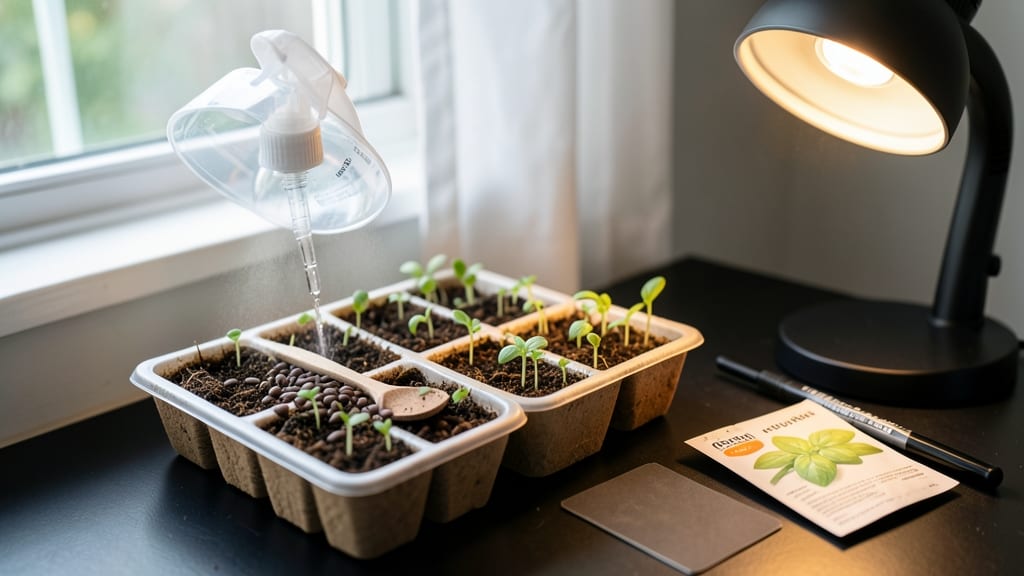
Germinating herb seeds feels like waiting for a slow-motion miracle—until you know these warmth and moisture tricks. 🌱 The difference between a seedling popping up in days and weeks often comes down to two things: keeping the soil consistently damp (not soggy) and maintaining steady heat, whether from a sunny windowsill or a simple DIY heat mat.
Herbs like basil and cilantro sprout fastest in 72-78°F soil, while rosemary and thyme prefer it cooler (60-68°F). Most beginners overwater or let the soil dry out—both kill germination faster than anything else. A spray bottle and clear plastic wrap create the perfect humid microclimate without fuss.
Once you see those first tiny leaves, you’ll understand why patience pays off. Properly germinated herbs establish stronger roots, resist disease better, and grow lusher than store-bought seedlings. The payoff starts in just 7-14 days for fast starters like dill.
This method works for any herb, from delicate parsley to tough rosemary. Let’s get those seeds sprouting right the first time—no guesswork required.
📚 In This Guide
- What you need
- Instructions
- Tips and common mistakes
- Wrapping up and next steps
What you need
- ● Herb seeds – Choose high-quality, fresh seeds (e.g., basil, parsley, cilantro, or mint). Tip: Check the seed packet for germination time—some herbs sprout faster than others!
- ● Seed-starting trays or small pots – 2–4" deep containers work best (biodegradable pots are eco-friendly!). Quantity: 1 tray or 4–6 small pots for a starter batch.
- ● Seed-starting mix or well-draining potting soil – Avoid garden soil (it’s too dense). Pro tip: Mix in perlite or vermiculite for extra airflow!
- ● Spray bottle – A 16–32 oz. misting bottle keeps seeds moist without drowning them.
- ● Plastic wrap or humidity dome – Creates a mini greenhouse to trap warmth and moisture.
- ○ Heat source (optional but helpful) – A seedling heat mat (70–80°F) speeds up germination. Alternative: Place pots on top of a fridge or in a sunny windowsill.
- ● Grow lights or sunny windowsill – Once sprouted, herbs need 12–16 hours of light/day. LED grow lights are ideal for indoor setups.
- ● Plant labels – Mark seeds by date and type to track progress.
- ● Tweezers or popsicle sticks – Gently press seeds into soil without crushing them.
- ● Fertilizer (low-dose) – A balanced 5-5-5 or 10-10-10 liquid fertilizer (diluted to half-strength) can boost early growth.
- ● Fan (small, low-speed) – Improves airflow to prevent mold (run for 1–2 hours/day).
Step-by-Step instructions for germinating herb seeds
Here’s how to coax those stubborn herb seeds to sprout faster—no fancy equipment needed.
🌱 Step 1: Prep Seeds for Faster Germination
Start by soaking seeds overnight in a bowl of lukewarm water (about 70°F) for 8-12 hours
After soaking, drain the water and let seeds sit for 30 minutes to dry slightly. This prevents them from rotting once planted. Place a damp paper towel in a sealed plastic bag with the seeds for 12-24 hours if you want to speed things up even more. Check daily—seeds should look plump and ready to go. Fill small pots or seed trays with light, well-draining potting mix (avoid garden soil—it’s too dense). Press the mix down gently until it’s firm but still loose. Moisten it until it feels like a damp sponge—no puddles, just even moisture. Herb seeds need warmth to germinate, so place your pots in a spot where the soil stays around 70-75°F. Plant seeds at the correct depth—usually twice their diameter. For example, basil seeds go in ¼ inch deep, while cilantro seeds need only ⅛ inch of coverage. I like to use a toothpick to poke small holes and drop seeds in one by one. Cover lightly with a fine layer of soil, then mist the surface with water to settle everything. Create a mini greenhouse by covering the pots with clear plastic wrap or a humidity dome. This traps warmth and moisture, which is key for germination. Place the setup in a warm spot—like on top of your fridge or near a sunny window. Check daily for condensation; if the plastic fogs up, your seeds are happy. If it dries out, mist lightly and re-cover. Most herb seeds sprout in 7-14 days, but some (like rosemary) can take 3-4 weeks. Watch for the first tiny green shoots—this is your signal to remove the cover immediately. Too much humidity after germination causes mold, which can kill seedlings overnight. Once sprouts appear, move pots to bright, indirect light to prevent leggy growth. Keep the soil consistently moist but never soggy. Stick your finger in the mix—if the top ½ inch feels dry, it’s time to water. Use a spray bottle to avoid disturbing the seedlings. Herbs like cilantro and parsley germinate best in cool conditions (60-65°F), while basil and oregano prefer warmth (75-80°F). Adjust their location as needed. Thin seedlings to 2 inches apart once they have 2-3 true leaves to give them space. Use scissors to snip weak sprouts at soil level—don’t pull them, or you’ll disturb the roots of the stronger plants. This step ensures your herbs grow sturdy and healthy, not crowded. After thinning, water deeply to help the remaining seedlings establish roots.💧 Step 2: Plant in Warm, Moist Soil
☀️ Step 3: Cover and Keep Warm
⏰ Step 4: Monitor and Maintain Moisture
Tips & tricks for perfect herb seed germination
Here's what nobody tells you about getting those stubborn herb seeds to sprout reliably—every time.
Soaking Strategy: For seeds like basil and dill, the 8-12 hour soak in lukewarm water (about 70°F) is your secret weapon. I've found that using a glass jar with a lid creates a mini greenhouse effect while soaking, keeping seeds perfectly hydrated. After draining, that 30-minute drying period prevents mold—don't skip it! For tiny seeds like parsley, the extra soaking time can actually harm them, so stick to the instructions.
Temperature Matters: Herb seeds are picky about warmth. The 70-75°F soil temperature range in Step 2 is critical—any cooler and they'll barely sprout, any hotter and they may rot. I keep my seed trays on top of my fridge during germination to maintain that perfect zone. For herbs like rosemary that take 3-4 weeks, consistent warmth is even more important—consider using a seedling heat mat if your home runs cool.
Covering Technique: That plastic wrap in Step 3 isn't just decoration—it creates the ideal humidity environment. If you notice condensation forming on the inside, your seeds are perfectly happy. But here's the catch: remove the cover IMMEDIATELY when you see those first green shoots. I've lost entire batches to mold because I waited too long—once sprouts appear, they need fresh air to prevent fungal growth.
Light Transition: The moment you see those first sprouts, move your pots to bright, indirect light. Direct sunlight at this stage will scorch delicate seedlings. I place mine under grow lights on a timer (12-14 hours of light per day) to give them the perfect start. This prevents that sad, leggy growth that happens when seedlings stretch toward any available light source.
Pro Tips for Germinate Herb Seeds
- Here's what nobody tells you about getting those stubborn herb seeds to sprout reliably—every time.
- Soaking Strategy: For seeds like basil and dill, the 8-12 hour soak in lukewarm water (about 70°F) is your secret wea...
- Temperature Matters: Herb seeds are picky about warmth. The 70-75°F soil temperature range in Step 2 is critical—any ...
Frequently asked questions
Got questions about germinating herb seeds? You’re not alone!
Here are answers to the most common queries—so you can grow your green thumb with confidence.
How long does it take for herb seeds to germinate?
Germination time varies by herb: basil and cilantro sprout in 7–14 days, while parsley and dill can take 2–4 weeks. Keep soil consistently moist and warm (70–80°F) to speed things up. Patience is key—some seeds need extra time!
What if my herb seeds aren’t sprouting?
Try these fixes: Check moisture (soil should stay damp, not soggy), test seed viability (soak a few in water—if they float, they’re likely dead), or adjust warmth. Some herbs, like dill, need light to germinate—cover lightly with soil (¼ inch max).
Do I need special equipment to germinate seeds?
Not at all! Start with basics: containers (yogurt cups, seed trays), well-draining soil, and water. Optional upgrades: a heat mat (for faster sprouts), grow lights (if natural light is weak), or spray bottles (for gentle watering).
Can I germinate herb seeds in paper towels?
This paper towel method speeds up germination for herbs like basil or chives. Fold a damp paper towel, place seeds inside, and store in a sealed bag with warmth. Check daily—once sprouts appear (3–7 days), transplant to soil. Pro tip: Don’t overcrowd!
What’s the best temperature for germinating herb seeds?
Most herbs thrive at 70–80°F (21–27°C). For slower germinators like parsley, bump it up to 75–85°F (24–29°C). Use a heat mat under trays or place containers near a sunny window. Avoid cold drafts—they’ll stall growth!
Wrapping up and next steps
Germinating herb seeds is a rewarding process that brings fresh, homegrown flavors to your kitchen—and you’ve got all the know-how now! 🌱 With the right balance of warmth, moisture, and patience, even the trickiest seeds can sprout into thriving plants.
Start small, experiment with your favorite herbs, and soon you’ll be harvesting like a pro.
Ready to take the next step? Plant those seeds, nurture their growth, and watch your herb garden flourish! 🌿