
Propagation
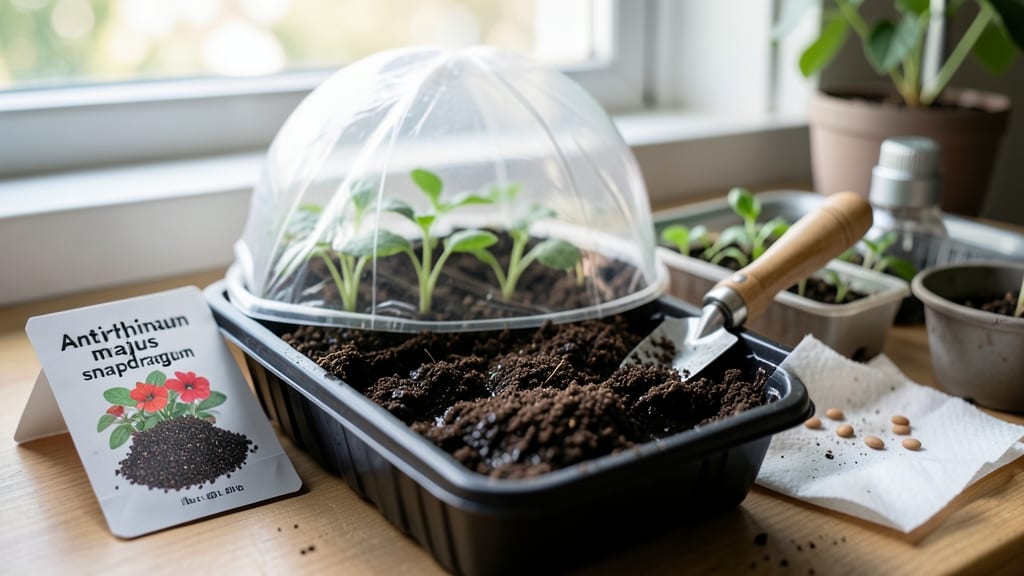
Germinating snapdragon seeds in moist paper towels cuts weeks off your wait. 🌱 I’ve struggled with slow germination before, but this method delivers fast, reliable sprouts—no fancy equipment needed. The secret? Mimicking the damp, cozy conditions seeds crave in the wild, while keeping everything under close watch.
You’ll need just three things: snapdragon seeds, a damp paper towel, and a sealed container. No soil, no guesswork—just pure focus on moisture and warmth. Most seeds pop within 5-10 days, though some eager ones even show up in 3-4.
The key is consistency: check daily for moisture without drowning them, and keep the container in a warm spot (around 70°F). Once those first green shoots appear, you’ll feel a rush of anticipation—tiny roots clinging to the paper, leaves unfurling like nature’s magic trick.
Transplant carefully into soil when they’ve got 2-3 true leaves, and you’re on your way to a vibrant summer display. This method works year-round, but spring timing gives you the longest growing season.
For best results, avoid overcrowding the towel and keep it away from direct sunlight until sprouts emerge. If seeds stay dry or mold forms, start fresh—patience here pays off with 90%+ germination rates. Ready to grow snapdragons that’ll make your garden the talk of the neighborhood?
📚 In This Guide
- What you need
- Instructions
- Tips and common mistakes
- Wrapping up and next steps
What you need
- ● Snapdragon seeds: Fresh, high-quality seeds (check the packet for viability dates).
- ● Paper towels: 2-3 sheets of white, unbleached paper towels (avoid scented or colored ones).
- ● Spray bottle: A fine-mist spray bottle (8–16 oz) filled with room-temperature water.
- ● Plastic bag or airtight container: A resealable gallon-sized bag or a small plastic container with a lid.
- ● Plate or shallow tray: A clean, flat surface (like a paper plate or shallow dish) to hold the paper towels.
- ○ Permanent marker: To label your seeds (optional but helpful if testing multiple varieties).
- ● Heating mat: A seedling heat mat (set to 70–75°F) to speed up germination.
- ● Grow lights or sunny windowsill: For post-germination care (once sprouts emerge).
- ● Seedling pots: Small pots or trays with drainage holes for transplanting sprouts.
- ● Humidity dome: A clear plastic cover to maintain moisture after sprouting.
- ● Fertilizer (mild): A diluted liquid fertilizer (like fish emulsion) for young seedlings.
Step-by-step instructions for germinating snapdragon seeds
Here’s the quick method I trust to get snapdragon seeds sprouting in just 3-5 days—no fancy equipment needed.
🌱 Step 1: Prep the Seeds for Faster Germination
Snapdragon seeds have a hard outer shell that slows sprouting. First, soak them in a bowl of lukewarm water for 12-24 hours. This softens the seed coat so roots can emerge faster. I use a small glass bowl and stir occasionally to keep them submerged.
After soaking, drain the water and place the seeds between two damp paper towels. Fold the towels to create a sandwich—this keeps moisture even while allowing airflow. The towels should feel damp but not dripping. Here’s the thing—if you skip soaking, germination can take 2 weeks or more.
💧 Step 2: Create the Ideal Moisture Environment
Seal the paper towel sandwich in a ziplock bag and place it in a warm spot, like on top of the fridge or near a sunny window. The goal is to maintain 70-75°F—a seedling heat mat works if you have one, but even a cozy kitchen corner does the trick.
Check the bag daily. If the towels dry out, mist them lightly with water and reseal. You’ll see the first roots poking through in 3-5 days. Watch for tiny white roots—this is your signal to move to soil. Don’t let the seeds sit in standing water; soggy towels invite mold.
☀️ Step 3: Transplant Sprouted Seeds to Soil
Once roots reach about ¼ inch long, carefully unfold the paper towels and gently place each seed—root-side down—into a small pot filled with seed-starting mix. Press lightly to secure the seed, but don’t bury it too deep. Snapdragons need light to germinate, so keep them just below the soil surface.
Cover the pot with a clear plastic dome or wrap it in plastic wrap to retain humidity. Place it in bright, indirect light (like a south-facing window) until the first true leaves appear. This usually takes 7-10 days. Real talk: If you see leggy seedlings, your light isn’t strong enough—move them closer to the window or add a grow light.
✂️ Step 4: Thin and Harden Off Seedlings
When seedlings reach 2 inches tall and have 2-3 sets of true leaves, it’s time to thin them. Use small scissors to snip the weakest seedlings at soil level, leaving the strongest one per pot. This prevents overcrowding, which leads to weak, disease-prone plants.
Start hardening off by placing the pots outside in a sheltered spot for 1-2 hours the first day. Gradually increase exposure over 7-10 days until they’re ready for the garden. Snapdragons love full sun, but young plants need to adjust slowly to avoid shock. You’ll know they’re ready when they’re thriving in direct sunlight without wilting.
Tips & tricks for perfect snapdragon germination
Here's what nobody tells you—these little details make all the difference between waiting weeks for sprouts and seeing roots in days.
Soaking Secret: The 12-24 hour soak is your germination game-changer. Use lukewarm water (around 75°F) and stir occasionally to prevent mold. Confession: I skipped this step for years and wondered why my seeds took forever. That hard outer shell needs this softening time to let roots break through efficiently.
Temperature Matters: Aim for that 70-75°F range consistently. If your kitchen runs cooler, place the ziplock bag on top of your fridge (not inside) where it's naturally warmer. I've seen germination slow dramatically when temps drop below 65°F—roots just won't emerge without that warmth. A seedling heat mat is ideal if you have one, but even a sunny windowsill can work in a pinch.
Transplant Timing: Wait until those roots reach about ¼ inch before moving to soil. This might seem like a small detail, but rushing it can damage delicate roots. I learned this the hard way after transplanting too early and losing several seedlings. The roots need that length to establish themselves before handling.
Light Strategy: Those first 7-10 days after transplanting are critical for light exposure. Place your seedlings in bright, indirect light—direct sun can scorch young leaves. If you notice leggy seedlings stretching toward light, it's your cue to move them closer to the window or add a grow light. The goal is compact, sturdy growth, not tall, weak stems.
Pro Tips for Germinate Snapdragon Seeds
- Here's what nobody tells you—these little details make all the difference between waiting weeks for sprouts and seein...
- Soaking Secret: The 12-24 hour soak is your germination game-changer. Use lukewarm water (around 75°F) and stir occas...
- Temperature Matters: Aim for that 70-75°F range consistently. If your kitchen runs cooler, place the ziplock bag on t...
Frequently asked questions
Got questions about germinating snapdragon seeds? You’re not alone! Here are answers to the most common concerns—so you can skip the guesswork and get those seeds sprouting like a pro.
How long does it take for snapdragon seeds to germinate?
Most snapdragon seeds sprout within 7–14 days when using the paper towel method, provided they’re kept warm (around 70–75°F) and moist. Patience is key—some varieties may take up to 3 weeks. If nothing appears after 21 days, the seeds might be old or non-viable.
Can I germinate snapdragon seeds directly in soil instead of using paper towels?
Yes! While the paper towel method speeds up germination, you can also sow seeds ¼ inch deep in warm, moist soil. Use a seed-starting mix, cover with plastic wrap to retain humidity, and place in a sunny windowsill or under grow lights. Just expect slower results—2–4 weeks instead of days.
Why are my snapdragon seeds moldy or rotting in the paper towel?
Mold or rot usually means too much moisture or poor airflow. Gently squeeze excess water from the towel before sealing, and avoid stacking wet towels. If mold appears, discard the batch—fungus can harm sprouts. For future attempts, try a single layer of paper towels and prop the container open slightly.
When is the best time to start germinating snapdragon seeds indoors?
Start seeds 8–10 weeks before your last frost date for transplanting outdoors. Snapdragons thrive in cooler weather, so aim for early spring starts. If you’re in a warm climate, you can also sow seeds late summer for fall blooms—but monitor heat stress (they prefer 60–70°F for germination).
What if my seeds won’t germinate—are they bad?
Not always! Snapdragon seeds can be dormant or slow due to age, storage conditions, or poor stratification. Try these fixes:
- Soak seeds in warm water for 24 hours before starting.
- Chill them in the fridge (stratification) for 1–2 weeks to mimic winter.
- Test a few seeds by scratching the outer shell—if they’re hard and unbroken, they may need help.
Wrapping up and next steps
Germinating snapdragon seeds in moist paper towels is a simple, fast, and rewarding way to kickstart your garden! By following these steps—keeping seeds warm, consistent, and patient—you’ll soon see those tiny sprouts breaking through.
Once your seedlings are ready, it’s time to transplant them into soil and watch your vibrant snapdragons bloom.
🌱 Next step: Prepare your seedling trays or garden beds with well-draining soil and gentle care. Happy growing—your colorful snapdragons are just around the corner! 🌸