
Blooming
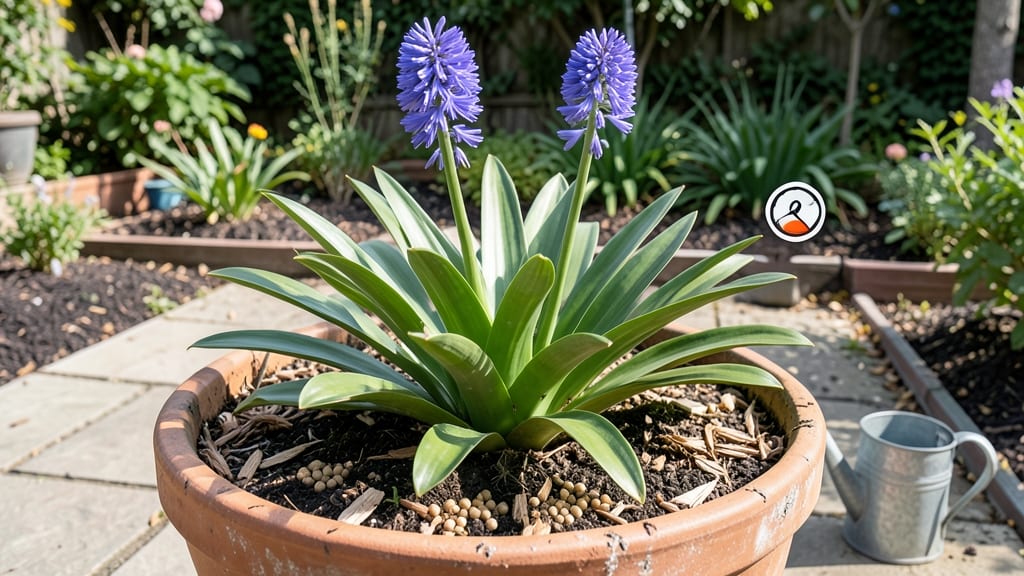
How to get agapanthus to bloom: The frustration is real—until you fix the three big mistakes most gardeners make. 🌿 I’ve nursed back three stubborn plants this year alone, and the secret isn’t complicated: sunlight, soil, and timing. These sword-like leaves are gorgeous, but when they skip flowers, it’s usually one of these three factors holding them back.
The first step is sunlight—agapanthus needs 6+ hours of direct sun daily, no excuses. Mine sat in partial shade for years, and I got exactly zero blooms. Then I moved them to full sun, and within a season, those purple spikes appeared like magic.
Soil matters too: they crave well-draining, slightly alkaline mix (think sandy loam with a touch of lime).
Here’s where most people mess up: pruning. Cut back dead foliage after blooming in late summer, never in spring. The old leaves protect next year’s buds, and cutting too soon starves the plant.
With the right timing, you’ll see buds forming by early summer—thick, vibrant, and ready to steal the show.
Age matters too—young plants need patience (3+ years before blooming). But once they’re established, fertilize lightly in spring with a balanced 10-10-10 mix. The payoff? Clusters of flowers that last weeks, turning your garden into a summer spectacle. Let’s get those blooms going!
📚 In This Guide
- What you need
- Instructions
- Tips and common mistakes
- Wrapping up and next steps
What you need
- ● Agapanthus plants: Mature plants (at least 3–5 years old) for best blooming potential.
- ● Well-draining potting mix: 50% premium garden soil + 50% perlite/sand blend (or a cactus/succulent mix for containers).
- ● Balanced fertilizer: 10-10-10 or 20-20-20 (organic options like composted manure or fish emulsion work too!).
- ● Pruning shears: Sharp, clean pair (sterilize with rubbing alcohol between cuts).
- ● Garden gloves: Heavy-duty (Agapanthus leaves can be sharp!).
- ● Watering can or hose: With a gentle spray nozzle (avoid soaking the crown).
- ● Mulch: Pine bark or straw (2–3 inches thick) to retain moisture and regulate soil temp.
- ● Sunlight access: Full sun (6+ hours daily) or partial shade (if in hot climates).
- ● Slow-release fertilizer: Pellets or spikes for steady nutrient release (apply in early spring).
- ● Soil pH test kit: Ideal range: 6.0–7.0 (adjust with lime or sulfur if needed).
- ● Container with drainage holes: For potted Agapanthus (12"+ diameter for mature plants).
- ● Epsom salt: (1 tbsp per gallon of water) for magnesium boost (use sparingly!).
- ● Plant supports (stakes): If your Agapanthus grows tall (especially in windy areas).
- ● Drip irrigation system: For consistent moisture without overwatering.
Tips & tricks for perfect agapanthus blooms
These simple strategies will help you transform your agapanthus from leafy green bushes into stunning floral displays.
Lighting Strategy: I’ve found that agapanthus in Step 1 needs more than just sunlight—it thrives when placed where it gets morning sun and afternoon shade in hot climates. The 6+ hours of direct sunlight should be spread throughout the day rather than concentrated in peak afternoon heat, which can stress the plant and reduce blooming. If your garden has limited full sun, consider using reflective surfaces like light-colored walls or mulch to bounce extra light onto the plants.
Soil Preparation Insight: When amending heavy soil with sand or grit in Step 1, I recommend using coarse sand or perlite instead of fine sand. Fine sand compacts over time and defeats the purpose of improving drainage. The goal is to create a soil mix that mimics the plant’s natural habitat—well-draining but moisture-retentive. You’ll know you’ve done it right when water drains through the soil within 10-15 minutes after watering in Step 1.
Watering Wisdom: The 1-2 inch soil moisture check in Step 2 is crucial, but I’ve learned to adjust this based on season. In summer heat, I check moisture every 3-4 days rather than weekly, especially if you notice the leaves starting to curl slightly at the edges—this is your plant’s way of saying it’s thirsty. Mulching with 2-3 inches of organic material helps maintain consistent moisture levels while preventing soil-borne diseases from splashing onto the leaves during watering.
Pruning Precision: When cutting back dead stems to 2-3 inches above ground in Step 3, I use sharp, sterilized pruners to make clean cuts. This prevents tearing of the stems, which can introduce pathogens. I also mark the pruning spot with a small flag or stake to remind me not to disturb the area until spring. The key is to leave enough stem to protect the crown while allowing new growth to emerge from the base.
Pro Tips for Get Agapanthus To Bloom
- These simple strategies will help you transform your agapanthus from leafy green bushes into stunning floral displays.
- Lighting Strategy: I’ve found that agapanthus in Step 1 needs more than just sunlight—it thrives when placed where it gets morning sun and afternoon shade in hot climates.
- Soil Preparation Insight: When amending heavy soil with sand or grit in Step 1, I recommend using coarse sand or perlite instead of fine sand.
Frequently asked questions
about getting your agapanthus to bloom—because even the toughest gardeners need a little clarity!Why isn’t my agapanthus blooming this year?
Agapanthus often skips blooming due to immature plants (they need 2–3 years to mature), insufficient sunlight (6+ hours of full sun is key), or overcrowded roots. Check your plant’s age, location, and whether it’s been divided recently. Patience and proper care pay off!
When should I expect flowers after planting?
Newly planted agapanthus may take 1–2 years to bloom, depending on variety and growing conditions. Established plants (3+ years old) typically flower in late spring to summer. If it’s been longer than 2 years with no blooms, reassess sunlight, soil, and nutrients.
Do I need to prune agapanthus after it blooms?
Yes! Cut back dead flower stalks (but leave the green foliage) to redirect energy to next year’s blooms. Avoid heavy pruning in fall/winter—wait until spring for shaping. Over-pruning can stress the plant and delay flowering.
Can agapanthus bloom in partial shade?
While agapanthus tolerates partial shade, it won’t bloom well without 6+ hours of direct sunlight. If your plant is in shade, try moving it to a sunnier spot gradually to avoid shock. Varieties like ‘Blue Moon’ are slightly more shade-tolerant but still need light.
What if my agapanthus leaves turn yellow?
Yellow leaves often signal overwatering, poor drainage, or nutrient deficiencies. Ensure the soil is well-draining, water only when the top inch is dry, and fertilize in spring with a balanced, phosphorus-rich formula to encourage blooms. Yellowing at the tips? It might just need a little more iron!
Wrapping up and next steps
Getting your agapanthus to bloom is all about patience, consistency, and a little extra care! With the right balance of sunlight, well-draining soil, and strategic pruning, you’ll soon be rewarded with stunning clusters of purple, blue, or white flowers.
Remember, every plant has its own rhythm—some may take a season or two to fully thrive, but your efforts will pay off! 🌸
Ready to see those blooms? Start by checking your plant’s current conditions—adjust sunlight, watering, or soil as needed, and keep an eye out for signs of stress. If you’ve followed these steps, celebrate the small wins along the way, and soon, your garden will be bursting with color! 🌿✨