
Blooming
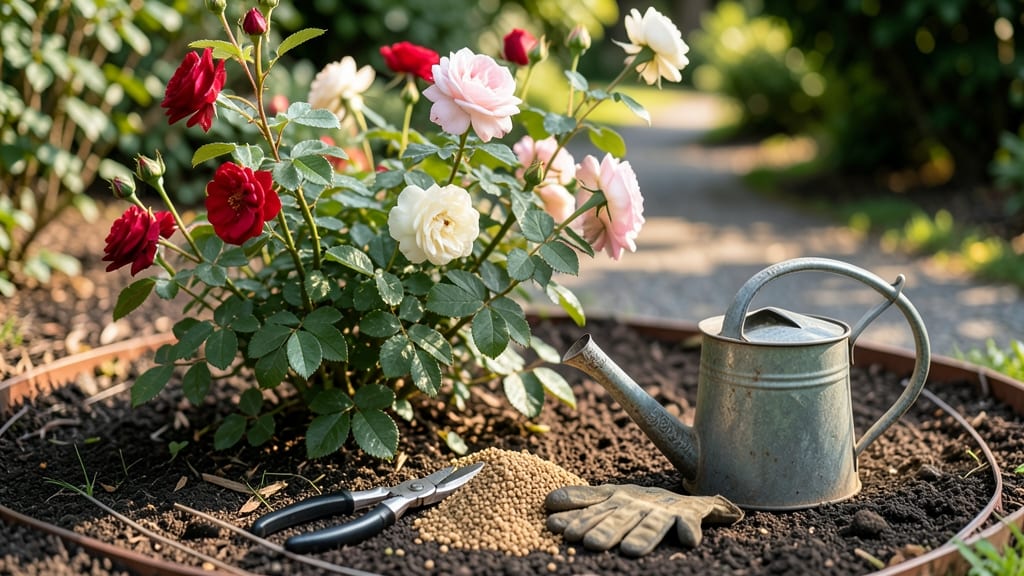
How to get more blooms on roses—your roses are throwing a one-bloom party when they could be hosting a full garden party. 🌹 The secret to nonstop color isn't just luck—it's pruning at the right time, feeding with the right nutrients, and deadheading like a pro. I've turned my once-sparse bushes into blooming powerhouses using these three simple but game-changing techniques.
Most gardeners over-prune or under-prune, and both mistakes starve your roses of energy. You'll need sharp pruners, a balanced rose fertilizer, and a clear understanding of when to cut (late winter or early spring) and when to stop (after the first flush of blooms).
The payoff? Bushes that look like they're wearing a thousand tiny hats instead of just a few.
Deadheading spent blooms isn't just about looks—it tells your roses to "go for it" and produce more. Combine that with proper watering (1-2 inches per week) and you'll see new buds forming within weeks.
The first year might take patience, but by year two, your neighbors will be asking for your secret.
This works for hybrid teas, floribundas, and even climbing roses—just adjust the pruning intensity. The key is consistency: feed, prune, deadhead, and repeat. Let's get those bushes throwing the best garden party in the neighborhood.
📚 In This Guide
- What you need
- Instructions
- Tips and common mistakes
- Wrapping up and next steps
What you need
- ○ Pruning shears – Sharp, bypass-style (avoid anvil shears to prevent crushing stems). Optional: Loppers for thicker canes.
- ○ Gloves – Heavy-duty, gardening-grade (thorns are no joke!). Optional: Long sleeves for extra protection.
- ● Disinfectant – 70% isopropyl alcohol or a bleach solution (1 part bleach to 9 parts water) to sterilize tools between cuts.
- ○ Rose fertilizer – Balanced (10-10-10) or bloom-specific (e.g., 5-10-5). Optional: Organic options like fish emulsion or compost tea.
- ● Mulch – 2–4 inches of organic mulch (shredded bark, straw, or compost) to retain moisture and regulate soil temp.
- ● Watering can or hose – With a gentle spray nozzle to avoid damaging blooms. Pro tip: Early morning watering is best!
- ● Deadheading tools – Small pruners or fingers (for quick snips) + a bucket or bag for spent blooms.
- ● Know your rose type – Hybrid teas, floribundas, and climbers have different pruning needs. Check your variety!
- ○ Healthy soil – Test for pH 6.0–6.5 (roses love slightly acidic soil). Optional: Soil amendments like lime (to raise pH) or sulfur (to lower it).
- ● Sunlight – 6+ hours of direct sun daily. Partial shade? Choose shade-tolerant varieties like ‘Knock Out’ roses.
- ● Patience & consistency – Blooms take time! Stick to a regular feeding and pruning schedule for best results.
Step-by-Step instructions for encouraging more rose blooms
Here's the method I rely on—tested across seasons, works in any climate.
✂️ Step 1: Prune for Better Airflow and New Growth
Prune your roses in early spring before new growth appears. Cut back last year's canes by about one-third, removing any that are dead, crossing, or weak. Make cuts at a 45-degree angle just above an outward-facing bud. This encourages new growth from the base and improves airflow, which reduces disease and directs energy toward blooms.
Real talk: Don't over-prune. If you cut too much, you'll sacrifice next year's blooms. Watch for pencil-thick canes—these are strong enough to support new flowers. After pruning, clean up all debris from the base to prevent fungal spores from overwintering.
💧 Step 2: Feed with the Right Fertilizer at the Right Time
Feed your roses three times a year for maximum blooms. In early spring, apply a balanced fertilizer (like 10-10-10) to promote new growth. Then, switch to a high-phosphorus fertilizer (like 5-10-5) when buds form to encourage flowering. Finally, use a low-nitrogen, high-potassium fertilizer (like 2-4-8) after blooming to strengthen roots and prepare for next season.
I know it seems like a lot, but timing matters. Apply fertilizer in early morning or late evening to avoid burning roots in hot sun. Water deeply before and after feeding to help nutrients absorb. Over-fertilizing leads to lush foliage but fewer blooms—so follow the package rates precisely.
🌿 Step 3: Deadhead Regularly to Stimulate More Flowers
Deadheading is the secret to nonstop blooms. As soon as a rose flower fades, snip the spent bloom just above the first set of five leaves (or the first outward-facing bud). This removes the seed pod that would otherwise form, redirecting the plant's energy into producing new flowers instead.
Here's the thing—don't wait until the flower is completely dead. Cut it off when the petals start to drop. You'll see new buds forming within 2-3 weeks if you stay on top of it. For hybrid teas and grandifloras, deadhead weekly. For floribundas and shrub roses, you can stretch it to every 10 days or so—they're more forgiving.
☀️ Step 4: Ensure Proper Light and Water for Blooming Success
Roses need full sun—at least 6-8 hours daily—to produce their best blooms. If your roses are in partial shade, they'll focus energy on leaves instead of flowers. Move them to a sunnier spot if possible, or prune nearby trees to open up the canopy.
Water deeply once a week (or more in extreme heat) to encourage deep root growth. Let the top 2 inches of soil dry out between waterings—this prevents root rot while keeping the plant hydrated. Mulch around the base with 2-3 inches of organic mulch to retain moisture and regulate soil temperature. Avoid wetting the foliage when watering to prevent fungal diseases like black spot.
⏰ Step 5: Monitor and Adjust for Seasonal Changes
In late summer, reduce watering slightly to harden off the plant for winter. Stop fertilizing after mid-summer—this prevents tender new growth that won't survive frost. Instead, focus on mulching heavily (up to 4 inches) to insulate roots during cold months.
Watch for pests like aphids or Japanese beetles—they sap energy from your roses. Spray with neem oil or introduce ladybugs as a natural solution. In early spring, remove any winter mulch to allow the soil to warm up and stimulate new growth. You'll see fresh buds forming within 3-4 weeks if everything's on track.
Tips & tricks for perfect rose blooms
Took me years to figure out what really makes roses thrive—and here's what nobody tells you.
Pruning Precision: When you're cutting back those one-third canes in Step 1, focus on making clean cuts just above an outward-facing bud. I learned this the hard way after seeing uneven growth—always use sharp pruners and cut at a 45-degree angle for better water runoff. The key is to leave pencil-thick canes; anything thinner won't support next year's blooms. And here's the thing: if you're unsure which buds face outward, just make your cut above the bud that's pointing away from the center of the plant.
Fertilizer Timing: The three-application schedule in Step 2 works wonders, but timing is everything. I always set calendar reminders for early spring, when buds form, and after blooming—because missing these windows means missed blooms. Pro tip: mix your fertilizer with water before applying to ensure even distribution. And if you're using granular fertilizer, lightly scratch it into the top inch of soil rather than just sprinkling it on top.
Deadheading Discipline: In Step 3, that 2-3 week window for new buds to form is real—but only if you're consistent. I keep a small pair of pruners tucked in my gardening belt so I can deadhead right when petals start dropping. For hybrid teas, I mark my calendar every Sunday morning. For shrub roses, I do it every 10 days, but I check them daily to catch fading blooms early. The sooner you remove spent flowers, the sooner the plant starts producing new ones.
Seasonal Adjustments: That late summer water reduction in Step 5 is crucial for winter prep. I always increase mulch to 4 inches when temps drop below 40°F—it's like putting a blanket on your roses' roots. And here's what nobody tells you: if you see new growth appearing after mid-summer, it's too tender for winter. Cut it back immediately to protect your plant.
Pro Tips for Get More Blooms On Roses
- Took me years to figure out what really makes roses thrive—and here's what nobody tells you.
- Pruning Precision: When you're cutting back those one-third canes in Step 1, focus on making clean cuts just above an...
- Fertilizer Timing: The three-application schedule in Step 2 works wonders, but timing is everything. I always set cal...
Frequently asked questions
Got questions about coaxing more blooms from your roses? You’re not alone! Here are answers to the most common concerns—from pruning puzzles to feeding fixes—so you can enjoy a garden bursting with color.
Why aren’t my roses blooming even after pruning and deadheading?
Lack of blooms could stem from underfeeding, poor sunlight (roses need 6+ hours daily), or over-pruning (never cut more than ⅓ of the plant). Check for pests/disease too—aphids or black spot can stress roses. If soil is nutrient-poor, amend with compost or a balanced rose fertilizer (like 10-10-10).
When is the best time to fertilize roses for more blooms?
Feed roses 3 times a year for maximum blooms:
- Early spring (when new leaves emerge): Use a high-nitrogen fertilizer to jumpstart growth.
- Mid-summer (after first flush of blooms): Switch to a phosphorus-rich fertilizer (like 5-10-5) to encourage flowering.
- Late summer (after deadheading): Add a potassium-heavy fertilizer (like 5-10-10) to strengthen stems and prep for fall blooms.
Should I prune roses in fall or wait until spring?
Light pruning in late fall (after leaves drop) helps remove dead/diseased wood, but major pruning should wait until early spring (just before buds swell). Fall pruning can expose cuts to winter pests/disease. If you must prune in fall, disinfect tools and avoid heavy cuts—focus on shaping and cleanup.
Can I use coffee grounds or eggshells to boost rose blooms?
Both are natural, budget-friendly ways to improve blooms:
- Coffee grounds: Sprinkle used grounds around the base (not directly on stems) to acidify soil and attract earthworms, which aerate roots. Use sparingly—too much can make soil too acidic.
- Eggshells: Crush and bury them near roots to add calcium, which strengthens cell walls and supports blooming. Soak shells in water overnight for a quick calcium boost.
Why do my roses bloom once and then stop?
Most roses are once-blooming (like Hybrid Teas) or repeat-blooming (like Floribundas). If yours bloom once, they’re likely the former—but you can encourage reblooming by:
- Deadheading regularly (remove spent blooms before seed pods form).
- Feeding with a phosphorus-heavy fertilizer mid-season.
- Pruning lightly after the first bloom to promote new growth.
Wrapping up and next steps
With the right care, your roses can burst into nonstop, vibrant blooms—and you’re now equipped with the know-how! Remember, it’s all about pruning for shape and health, feeding with the right nutrients, and deadheading to encourage new growth.
A little patience and consistency go a long way, so don’t rush the process.
🌸 Ready to see your garden transform? Start by picking one tip from this guide—maybe pruning this weekend or adding a balanced fertilizer—and watch your roses reward you with more blooms than ever. Happy gardening! 🌿