
Pests
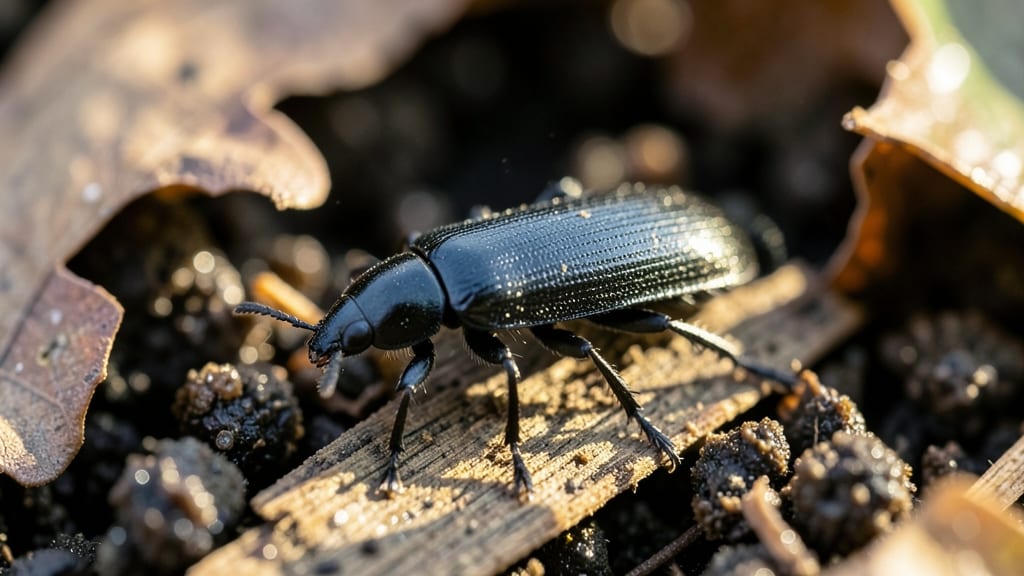
Your compost bin isn’t trash—it’s how to get rid of ants in compost bin properly, and boiling water is the fastest way to smother their colonies before they wreck your black gold. 🐜 I’ve battled these tiny invaders for years, and boiling water isn’t just a quick fix—it’s the fastest way to drown entire colonies before they multiply.
The key? Timing, placement, and a little strategy to keep them from staging a comeback.
Most people grab store-bought sprays or sprinkle random powders, but those often fail because ants adapt. Boiling water works because it drowns their tunnels—no chemicals, no mess, just instant results.
You’ll need a kettle, a funnel (or a ladle), and a 5-minute window to pour it directly into their trails. The steam kills eggs too, so you’re not just kicking them out—you’re wiping out their next generation.
After the first pour, you’ll see fewer ants within hours, and your compost will start breaking down faster without pests stealing the nutrients. The trick is repetition: check for new trails every few days and repeat until you’ve broken their supply routes.
This method works for any bin size—from small countertop setups to full backyard piles—because ants don’t discriminate.
Here’s the catch: if you don’t adjust your bin’s moisture or location, they’ll just move back in. I’ll show you how to lock them out for good—think grease barriers, proper aeration, and the right compost-to-scrap ratio.
No more raids on your kitchen scraps, and your compost will finally live up to its potential.
📚 In This Guide
- What you need
- Instructions
- Tips and common mistakes
- Wrapping up and next steps
What you need
- ● Boiling water: At least 1–2 gallons (enough to fill a small pot or kettle) to create a hot barrier.
- ● Small pot or kettle: A 1–2 quart container with a spout for precise pouring (avoid plastic—opt for stainless steel or metal).
- ● Long-handled spoon or stick: A 12+ inch tool to gently stir or poke ant trails and mounds.
- ○ Gloves (optional but recommended): Heat-resistant gardening or oven mitts to protect your hands from hot water.
- ● Compost bin lid or tarp: A waterproof cover (if your bin lacks one) to contain moisture after treatment.
- ● Diatomaceous earth (DE): Food-grade DE (1–2 lbs) as a natural, long-term deterrent (sprinkle lightly around the bin’s edges).
- ○ Vinegar or citrus peels (optional but helpful): White vinegar (1 cup) or lemon/orange peels to disrupt ant pheromone trails.
- ● Flashlight: For spotting hidden ant trails in low light.
- ● Spray bottle: To mix vinegar with water (1:1 ratio) for post-treatment trail disruption.
- ● Compost thermometer: To monitor bin temperature (140°F+ kills ant eggs and larvae).
- ● Pet-safe alternatives: If you have pets, skip DE and use coffee grounds or cinnamon as natural repellents.
Step-by-step instructions for eliminating ants in your compost bin
Here's the fast, foolproof method I swear by—no chemicals, just boiling water and a little strategy.
🔥 Step 1: Boil Water and Prepare Your Barrier
Fill a large pot with 2-3 gallons of water and bring it to a rolling boil. The hotter, the better—steam kills ant trails and disrupts their scent markers. While waiting, clear any debris from around the compost bin's base. Ants hide in wood chips, leaves, or soil cracks, so remove those first.
I like to work on a dry day—ants are more active when the air is warm, and their trails are easier to spot. Grab a long-handled spoon or ladle if your bin is tall; you'll need to pour right at the soil's edge where ants enter. This isn't just about killing them—it's about cutting off their access points completely.
✂️ Step 2: Pour Boiling Water Along Entry Points
Slowly pour the boiling water in a continuous line around the outer edge of your compost bin. Focus on where you see ant traffic—tiny black lines on the soil or bin walls. A single broken line won't work; ants will just find the gap. Aim for a 2-inch-wide barrier of steaming water all the way around.
Watch the ants scatter—they'll try to escape the heat. Don't worry if you miss a spot; you'll see them regrouping there later. This is why I do it twice: once at dusk when they're most active, and again the next morning. The second pour ensures any stragglers or new scouts don't bypass your barrier.
🌱 Step 3: Refresh the Barrier Daily for 3-5 Days
Ants are persistent, so consistency is key. Reapply boiling water along the same path every morning for 3-5 days. You'll notice fewer ants each time—they'll start avoiding the area entirely. The steam doesn't just kill them; it disrupts their pheromone trails, which is how they recruit more workers.
Here's the thing—if you see ants climbing the bin's sides after a few days, they're likely finding a new entry point. That's your cue to widen your barrier or check for gaps in the bin's structure. A compost bin with holes bigger than 1/4 inch is an open invitation. Use wire mesh to seal any gaps if needed.
💧 Step 4: Add Diatomaceous Earth as a Long-Term Deterrent
Once the boiling water treatment has broken their colony's momentum, sprinkle a thin layer of food-grade diatomaceous earth around the bin's base. This natural powder dehydrates ants on contact but is harmless to your compost. Focus on the 1-inch border outside the bin—this creates a second line of defense.
Reapply the diatomaceous earth every 2-3 weeks—rain or moisture will wash it away. The combo of boiling water (which smothers) and diatomaceous earth (which dehydrates) works faster than either method alone. I've seen ant-free compost bins within a week using this two-step approach.
☀️ Step 5: Maintain a Dry, Well-Aerated Compost Pile
Ants love damp, decomposing material—it's their buffet. To keep them away long-term, turn your compost every 1-2 weeks—this speeds up decomposition and reduces moisture buildup. Aim for a mix of browns (dry leaves, cardboard) and greens (vegetable scraps, grass clippings) to balance moisture and heat.
If your pile smells sour or stays soggy, ants will move in. A healthy compost pile should smell earthy, not rotten. Add shredded newspaper or dry straw if it's too wet. The hotter the pile gets (up to 140°F), the fewer pests you'll attract. This isn't just about ants—it's about creating an environment they can't tolerate.
Tips & tricks for eliminating ants in compost bins
Real talk: You'll save yourself hours of frustration by paying attention to these small but critical details.
Timing is Everything: The 3-5 day daily treatment window is non-negotiable—this is when you disrupt their pheromone trails completely. I've seen people give up after 2 days, only to watch ants return stronger. The key is consistency: morning applications work best because ants are most active then, but evening treatments catch stragglers. Think of it like a daily barrier reinforcement.
Equipment Upgrade: A long-handled ladle is your secret weapon for tall bins, but if you don't have one, use a turkey baster or even a clean plastic bottle with holes poked in the cap. The goal is precision pouring—you want that 2-inch barrier to be unbroken. I once tried using a watering can and ended up with uneven coverage that let ants slip through.
Visual Cues for Success: After your first pour, watch for ants climbing the bin sides—they'll try to escape the heat. This tells you exactly where to focus your next applications. Also look for tiny black lines on the soil (their trails)—these are your target zones. The more precise you are, the faster you'll see results. I've mapped out ant highways around my bin that look like tiny black roads.
Long-Term Prevention: The 140°F compost temperature target isn't just about ants—it's about creating an inhospitable environment. Use a compost thermometer to check your pile's heat. If it's consistently below 120°F, you're not cooking off moisture enough. This is why turning your compost every 1-2 weeks makes all the difference—it keeps the pile hot and dry, which ants despise.
Pro Tips for Get Rid Of Ants In Compost Bin
- Real talk: You'll save yourself hours of frustration by paying attention to these small but critical details.
- Timing is Everything: The 3-5 day daily treatment window is non-negotiable—this is when you disrupt their pheromone t...
- Equipment Upgrade: A long-handled ladle is your secret weapon for tall bins, but if you don't have one, use a turkey ...
Frequently asked questions
Got ants invading your compost bin?
You’re not alone—here are answers to the most common questions to help you tackle the problem fast and effectively.
Why do ants keep coming back to my compost bin?
Ants are drawn to compost bins because of moisture, food scraps, and warmth—perfect conditions for their colonies. Even after you remove them, they’ll return if the environment remains inviting. A boiling water barrier disrupts their trails and smothers nests, but regular maintenance (like stirring compost and sealing gaps) keeps them away long-term.
How long does it take for the boiling water method to work?
You’ll see immediate results—ants will scatter within minutes of the treatment. However, to fully eliminate the colony, repeat the process every 3–5 days for a week. This ensures you hit any remaining eggs or new trails. Patience is key, but consistency pays off!
Will boiling water harm my compost or plants?
Nope! Boiling water targets ants only—it doesn’t harm beneficial microbes or worms in your compost. Just avoid pouring it directly on plants or roots. If you’re worried, focus the treatment on the edges of the bin where ants enter/exit. Your compost’s health stays intact!
Are there natural alternatives to boiling water for ant control?
Try these DIY ant deterrents:
- Diatomaceous earth (food-grade): Sprinkle a thin layer around the bin’s perimeter—it dehydrates ants naturally.
- Cinnamon or cayenne pepper: Mix with water and spray along entry points (ants hate the scent!).
- Essential oils (peppermint, lemon, or tea tree): Dilute 10 drops in a spray bottle with water and apply weekly.
For a fast kill, though, boiling water is still the most effective.
What if the ants won’t go away after trying everything?
If ants persist, they might have a hidden nest nearby (like under a rock or in a tree). Dig deeper around the bin or check for satellite colonies. For stubborn cases, consider borax baits (use sparingly) or a commercial ant granules labeled for outdoor use. Pro tip: Reduce moisture in the compost—ants love damp conditions!
Wrapping up and next steps
Getting rid of ants in your compost bin doesn’t have to be a battle—just a strategic move! By using a boiling water barrier, you can smother colonies fast while keeping your compost thriving. The key is consistency, patience, and a few simple tools to create an ant-free zone.
Ready to reclaim your compost bin? Start by applying your boiling water barrier today and monitor the results. With a little effort, you’ll enjoy a pest-free, productive compost system in no time! 🌱✨