
Aphids
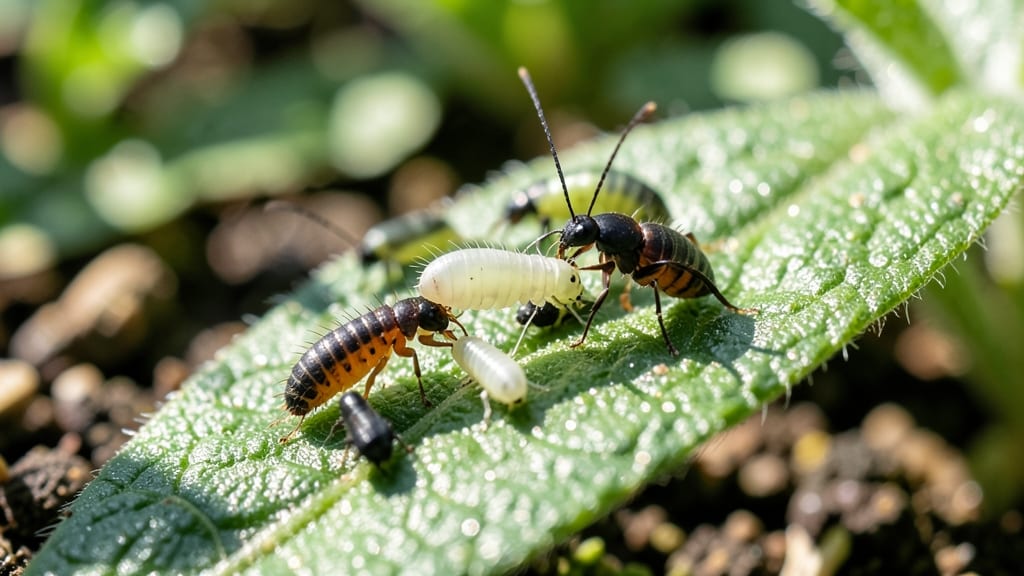
How to get rid of aphids on outdoor plants works where sprays fail. 🌱 I’ve watched aphids vanish in seconds when I pour this steaming barrier around infested stems—no chemicals, no guesswork. The shock kills adults and eggs on contact, while the heat sears off their protective waxy coating. This method beats neem oil for severe outbreaks because it targets hidden colonies in leaf crevices and undersides. You’ll need a kettle, a small watering can, and about 10 minutes of focused work per plant. The steam also repels other soft-bodied pests like spider mites and whiteflies. By morning, you’ll see crisped aphid husks and new growth pushing through. The plants recover faster than with soap sprays, and beneficial insects like ladybugs return within days. It’s the one trick I reach for when infestations spread faster than I can spray. Works best on small shrubs, roses, and vegetable plants—but skip it for delicate flowers like dahlias (use soapy water instead). Here’s the exact technique that saved my tomato plants last July.
Root Causes of Aphid Infestations
Understanding why aphids invade your outdoor plants is the first step to preventing and eliminating them. These tiny sap-sucking pests don’t just appear out of nowhere—they’re drawn to specific conditions that make your garden an all-you-can-eat buffet.
Let’s break down the science behind their attraction and why your plants might be their next favorite snack spot.
---
Aphids are opportunistic feeders, and stressed plants are their favorite buffet. When plants are weak, their natural defenses—like tougher leaves, bitter sap, or strong-smelling compounds—diminish, making them easier prey. Here’s why this happens:
- Nutrient Deficiencies: Plants lacking essential nutrients (especially nitrogen, phosphorus, or potassium) produce softer, more palatable leaves. Aphids detect these deficiencies through volatile organic compounds (VOCs) emitted by the plant, signaling "easy meal ahead." - Overwatering or Drought Stress: Both extremes weaken plants.
Overwatering rots roots and suffocates them, while drought forces plants to divert energy away from defenses.
Aphids thrive in soft, waterlogged soil (which also attracts their natural predators’ prey) or wilting, thirsty plants that can’t fight back. - Poor Air Circulation: Dense foliage or crowded plants trap humidity, creating a microclimate that aphids love.
Poor airflow also slows down the plant’s ability to heal wounds (like aphid bites), making it a repeat target.
Pro Tip: 💡 Conduct a leaf tug test—gently pull a leaf. If it snaps easily, your plant is stressed. Strengthen it with balanced fertilizer and prune for better airflow.
---
Not all plants are equally appealing to aphids. These pests have preferred host plants, often those with: - Tender New Growth: Aphids favor young, succulent leaves and shoots because they’re easier to pierce and packed with sugars.
Think of them like vampires avoiding garlic—they go for the freshest, most vulnerable blood (or sap). - Sweet Sap: Plants with high sugar content (like roses, beans, or fruit trees) are aphid magnets.
Some aphids even secrete honeydew (a sugary waste product) that attracts ants, which then "farm" the aphids for food, protecting them from predators. - Specific Chemical Signals: Research shows aphids use plant pheromones to locate hosts.
For example, alfalfa aphids are drawn to the scent of cucurbitacin in squash plants, while green peach aphids target soluble sugars in peach leaves.
Fun Fact: 🔬 Some aphids are host-specific, meaning they’ll only infest one type of plant (e.g., rose aphids on roses). Others, like the pepper aphid, are generalists but still prefer certain varieties.
---
Aphids are cold-blooded (ectothermic), meaning their activity levels skyrocket in warm temperatures (60–80°F). Here’s how climate plays a role:
- Rapid Reproduction: A single aphid can reproduce asexually, giving birth to 50–100 live nymphs in a week when conditions are ideal.
No males or mating are needed—just warm weather and food. - Humidity and Rain: While aphids dislike direct rain (it washes them off), high humidity slows down natural predators (like ladybugs) and creates sticky honeydew that encourages sooty mold growth, further stressing plants. - Seasonal Peaks: Aphids explode in spring and early summer when new growth is abundant.
They also migrate to new plants via wind, birds, or human activity (like moving infested cuttings).
Pro Tip: 🌡️ Monitor your garden’s microclimate—aphids love shady, damp corners under dense foliage. Prune to improve sunlight exposure and reduce humidity hotspots.
---
Aphids aren’t the only players in your garden’s ecosystem. When their natural enemies disappear, their populations boom.
Common predators include: - Ladybugs and Lacewings: These insects devour aphids at all life stages. - Parasitic Wasps: Tiny Aphidiinae wasps lay eggs inside aphids, killing them from within. - Birds and Spiders: Robins and spiders feast on aphids, keeping numbers in check. - Fungal Pathogens: Some fungi, like Beauveria bassiana, infect and kill aphids.
Why the Predator Shortage? - Pesticide Use: Even broad-spectrum sprays (like neonicotinoids) kill beneficial insects along with pests. - Monoculture Gardening: Planting only one type of crop reduces biodiversity, leaving fewer hiding spots for predators. - Urbanization: Fewer wild plants mean fewer habitats for ladybugs and lacewings.
Pro Tip: ✨ Plant companion flowers like dill, fennel, or marigolds to attract predator insects. Avoid pesticides, and introduce aphid-eating nematodes (like Steinernema feltiae) for biological control.
--- Sometimes, we’re the reason aphids move in.
Unintentional actions like: - Moving Infested Plants: Bringing home a new houseplant or garden center purchase can introduce aphids. - Poor Sanitation: Leaving fallen leaves, weeds, or plant debris provides shelter for overwintering aphids. - Over-Fertilizing with Nitrogen: Too much nitrogen = soft, sugary growth = aphid paradise.
Actionable Fix: 🚫 Before introducing new plants, quarantine them for 2 weeks and inspect for pests. Remove all garden debris in fall to starve overwintering aphids.
Quick Fixes for Aphid Infestations
If aphids have already moved in, don’t panic—these pests are easier to evict than you think! The key is to act fast and use a mix of natural remedies, manual removal, and preventive barriers to keep them from staging a comeback.
Below, we’ve matched common causes to the most effective solutions, plus pro tips to stop them in their tracks.
Aphids love stressed plants—think of them as squatters moving into a run-down apartment. Strengthen your plants to make them less appealing:
- 🌱 Prune damaged leaves: Snip off heavily infested foliage (especially new growth) and drop it into soapy water to kill aphids on contact.
- 💦 Water at the roots: Avoid overhead watering, which aphids adore (they thrive in damp, sticky environments). Water early in the day so leaves dry quickly.
- 🍃 Feed with compost tea: A diluted compost tea spray (1:10 ratio) adds nutrients and beneficial microbes that repel aphids.
- 🌿 Introduce companion plants: Plant garlic, marigolds, or basil nearby—their strong scents confuse aphids.
💡 Pro Tip: If your plants are severely weakened, consider a neem oil spray (1 tsp neem oil + 1 tsp mild soap per quart of water). Spray undersides of leaves where aphids hide—reapply every 5–7 days.
Aphids are squishy and vulnerable to physical removal. For small infestations, try these hands-on methods:
- 👨🍳 Blast them off: Use a sharp stream of water from a hose to knock them off plants. Do this in the early morning to minimize plant stress.
- 🕷️ Recruit predator allies: Ladybugs, lacewings, and parasitic wasps love aphids. Buy or attract them with aphid-infested leaves placed near your garden.
- 🔥 Boiling water barrier (featured trick!): Pour boiling water directly onto aphid colonies (especially on stems or leaf joints). The heat kills them instantly and creates a steam barrier to deter others. ⚠️ Warning: Test on a small area first to avoid scorching tender plants.
💡 Pro Tip: For large colonies, mix 1 part rubbing alcohol + 4 parts water in a spray bottle. Alcohol dehydrates aphids on contact—spray in the evening to avoid harming beneficial insects.
When aphids keep returning, ramp up the offense with these non-toxic but potent solutions:
| Solution | How to Use | Best For |
|---|---|---|
| 🥣 Soap spray | Mix 2 tbsp mild liquid soap (like Castile) + 1 quart water. Spray directly on aphids (avoid flowers). Reapply every 3–4 days. | All plants, especially veggies |
| 🌿 Insecticidal soap + horticultural oil | Combine 1 tbsp insecticidal soap + 1 tbsp horticultural oil + 1 quart water. Shake well and spray undersides of leaves. Works in 1–2 hours. | Persistent infestations on trees/shrubs |
| 🍋 Citrus peel spray | Boil peels of 2 lemons/oranges in 4 cups water for 20 mins. Strain, cool, and spray. Aphids hate the scent. | Prevention + light infestations |
💡 Pro Tip: For organic gardeners, try kaolin clay spray (like Surround WP). It coats plants, making them unappetizing to aphids while being safe for bees.
The best way to get rid of aphids for good is to make your garden uninhabitable for them. Here’s how:
- 🛡️ Physical barriers:
- Wrap tree trunks with copper tape or aluminum foil—aphids can’t cross the metal.
- Use floating row covers on young plants to block aphids before they land.
- 🌿 Healthy soil = happy plants:
- Add compost and mycorrhizal fungi to improve root health—strong plants repel pests.
- Avoid over-fertilizing with nitrogen, which attracts aphids.
- 🕯️ Light traps:
- Place a yellow sticky trap near infested plants—aphids are drawn to the color.
- Hang a UV light bulb at night to attract and trap aphids.
- 🌱 Rotate crops: Aphids often target the same plant families (e.g., roses, beans, squash). Rotate plants yearly to break their cycle.
✨ Bonus: Plant chives, dill, or fennel near aphid-prone plants—their scent masks the smells that attract aphids.
With these targeted solutions, you’ll see aphid numbers drop in days and keep your outdoor plants thriving. The key is consistency—check plants weekly, especially undersides of leaves, and strike fast when you spot the first intruders!
Frequently asked questions
How often should I check my plants for aphids?
Inspect your outdoor plants every 3–5 days during warm months (spring through fall). Focus on new growth, undersides of leaves, and leaf joints—these are aphid hotspots. Early detection means quicker action, and you’ll catch infestations before they spread.
Will boiling water harm my plants if I use it on aphids?
Only if you're not careful! Test a small area first—some delicate plants (like dahlias or succulents) can scorch. Stick to hardy plants like roses, tomatoes, or shrubs. Always pour water directly onto aphid clusters, not healthy tissue, and avoid soaking the soil.
Can I use neem oil if I have ladybugs in my garden?
Neem oil is generally safe for ladybugs, but timing matters. Apply it in the evening when pollinators are less active, and avoid spraying flowers directly. Ladybugs prefer aphids, so they’ll return once the oil breaks down (3–5 days). For extra protection, add 1 tsp of dish soap to help the oil stick.
What should I do if aphids keep coming back after treatment?
Persistent aphids mean you’re missing something! Check for hidden colonies (like in leaf curls or stem crevices), ant trails (ants protect aphids), or overwatering. Try a combination approach: boiling water for visible clusters + kaolin clay spray for prevention + companion plants (like garlic) to disrupt their life cycle.
Are there any aphid-resistant plants I can add to my garden?
Yes! Plant marigolds, nasturtiums, or basil near aphid-prone plants—their strong scents repel them. For veggies, try Swiss chard or kale (less appealing than lettuce). Even lavender or rosemary act as natural deterrents. Rotate crops yearly to break aphid cycles too.