
How To
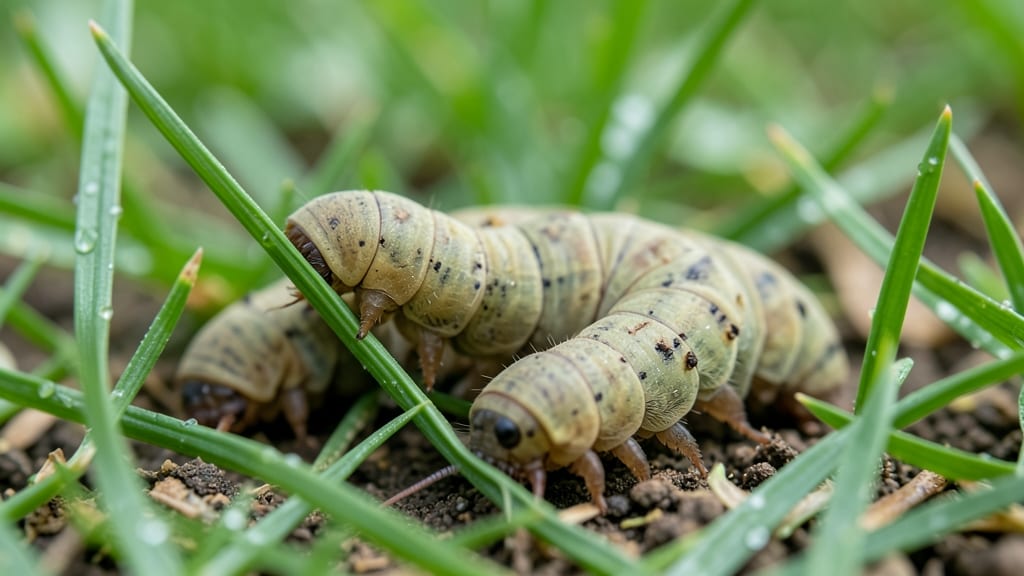
How to get rid of army worms in the grass—your lawn’s green carpet suddenly looks shredded by a swarm of tiny caterpillars. Armyworms strike fast—one day your grass is lush, the next it's brown patches with hidden tunnels of destruction. The boil-and-pour barrier method stops them in their tracks without harsh chemicals, and it works within 24 hours if done right.
Here's the thing—these pests thrive in weak grass. Overwatering, thatch buildup, and infrequent mowing create the perfect buffet. But the real game-changer is a simple DIY treatment using hot water and dish soap that smothers their hiding spots. No fancy gear needed, just boiling water and a little elbow grease.
You'll see results immediately: fewer brown patches, no more worms crawling out at dusk, and grass that recovers faster. The method's so effective that my neighbor's lawn—once a worm buffet—now stays green all summer with just monthly maintenance. The key is timing and consistency.
Works for any grass type, from St. Augustine to Bermuda, and even prevents future infestations. Let's get that lawn back to looking like a golf course, not a caterpillar cafeteria.
Root Causes of Armyworm Outbreaks
Armyworms—those voracious caterpillars that turn lush green lawns into patchy brown skeletons—don’t just appear out of nowhere. Their arrival is a mix of environmental triggers, habitat preferences, and even human activity.
Understanding why these pests invade your grass is the first step to preventing (or quickly stopping) their damage. Let’s break down the science behind their sudden appearances.
Armyworms thrive where grass is already struggling. When your lawn is stressed, it becomes an all-you-can-eat salad bar for these caterpillars. Here’s why:
- Lack of diversity: Monoculture lawns (think: endless Kentucky bluegrass or Bermuda) offer armyworms a uniform food source. Diverse grass types disrupt their feeding patterns and make detection easier for predators like birds.
- Poor soil health: Compacted, nutrient-deficient, or waterlogged soil weakens grass roots. Armyworms target these areas because the grass is easier to devour—like biting into overripe fruit vs. a firm apple.
- Recent damage: Whether from drought, disease, or foot traffic, damaged grass emits chemical signals (like volatile organic compounds) that attract armyworm moths. It’s their way of saying, “Free meal here!”
Pro tip: 💡 Conduct a simple “sod pull test” to check grass health. Gently tug a small patch—if it lifts easily, your lawn is vulnerable. Healthy grass resists removal.
Armyworms are opportunistic pests, and their lifecycle is tightly linked to weather conditions. Here’s how the forecast fuels their outbreaks:
| Weather Factor | Why It Matters | Armyworm’s Reaction |
|---|---|---|
| 🌡️ Warm nights (above 70°F) | Armyworms are cold-blooded—they slow down in cooler temps but explode in growth when nights stay warm. | Faster maturation = more generations per season = more worms. |
| 💧 Heavy dew or rain | Moisture softens grass blades, making them easier to chew. Plus, rain washes away natural predators like parasitic wasps. | Worms binge-eat after storms, then burrow deeper to avoid drying out. |
| ☀️ Sudden heatwaves | Heat stress weakens grass faster than worms can keep up, creating new feeding zones overnight. | Moths lay massive egg clusters (up to 1,000 eggs!) in response to stressed grass. |
Key insight: Armyworms peak in late spring to early summer in most regions, but their timing shifts with climate. Track local agricultural reports for early warnings.
In a healthy lawn ecosystem, armyworms face a gauntlet of predators. But when these natural controls disappear, worms multiply unchecked. Here’s who’s missing—and why:
- Birds (their #1 enemy): Robins, grackles, and starlings love armyworms. Pesticides (even broadleaf herbicides) can kill them off, leaving worms to feast.
- Parasitic wasps: Tiny but deadly, these wasps lay eggs inside armyworms, turning them into zombie hosts. Compacted soil or heavy fungicides can sterilize their habitats.
- Ground beetles & spiders: These creepy-crawlies hunt armyworm eggs and young larvae. Overwatering or mulching too thickly drowns their populations.
Pro tip: ✨ Install a bird-friendly feeder or leave a small “wild patch” of clover/weeds near your lawn to attract predators. Even a single robin can eat 50+ armyworms per day!
Armyworms don’t just “happen”—they’re often hitchhikers from nearby fields, gardens, or even your neighbor’s yard. Here’s how human actions amplify outbreaks:
- Crop rotation neglect: Farmers who don’t rotate crops leave armyworm eggs in the soil, hatching year after year. If your lawn borders a corn or sorghum field, you’re in the perfect storm zone.
- Lawn clippings & compost: Unknowingly, grass clippings from infested areas can carry armyworm eggs. Dumping them near your lawn is like seeding a worm buffet.
- Wind & water movement: Armyworm moths are strong fliers (up to 10 miles!) and can be blown into new areas. Flooding or irrigation can also wash eggs into your yard.
Actionable fix: 🎯 If you suspect an outbreak nearby, inspect your property’s edges (fences, sheds, flower beds) for egg masses (tiny, white, football-shaped clusters). Remove them immediately—they hatch in 3–5 days.
Armyworms don’t discriminate—they target any grass that’s weak, predictable, or predator-free. But now that you know their triggers, you can starve them out before they starve your lawn. Stay tuned for our boil-and-pour barrier method to erase them fast!
Quick Fixes for Armyworm Damage
Armyworms may seem like a daunting lawn pest, but with the right approach, you can eliminate them fast and restore your grass to health—without harsh chemicals. Below are targeted solutions based on the root cause of your infestation, plus prevention tips to keep these hungry caterpillars away for good.
---
If you catch the problem early, hand-picking armyworms is the most effective and eco-friendly method.
- 🕵️♂️ Scout at dawn or dusk when they’re most active. Look for small, brown, worm-like larvae (about 1–2 inches long) hiding in grass blades or feeding on leaves. - 🧤 Wear gloves—some people react to their bristly hairs.
Use a trowel or stiff brush to gently lift grass clumps and drop worms into a bucket of soapy water (they’ll drown instantly). - 🌱 Focus on hotspots first—check areas where grass is chewed unevenly or turning brown in patches.
✨ Pro Tip: If your lawn is large, section off the yard (e.g., one side per day) to avoid missing any hidden worms.
---
This DIY method uses hot water and dish soap to create a lethal trap while also acting as a repellent barrier.
1. 🔥 Boil 1 gallon of water and stir in 1–2 tablespoons of liquid dish soap (the soap breaks down their protective coating). 2. 🚜 Pour the hot mixture directly onto active feeding areas—focus on brown patches where armyworms are concentrated.
3. 🌡️ Repeat every 3–4 days until the infestation disappears (usually 7–10 days). The heat kills on contact, while the soap prevents regrowth.
💡 Why It Works: - Armyworms cannot survive in temperatures above 104°F—the boil-and-pour method mimics their natural predators’ heat. - The soap disrupts their exoskeleton, causing dehydration.
---
For a long-term, organic solution, beneficial nematodes (Heterorhabditis bacteriophora) are microscopic worms that hunt and kill armyworms without harming your grass.
- 🛒 Buy nematodes (available online or at garden centers) and apply them in the evening (they die in direct sunlight). - 💦 Water the lawn lightly before and after application to help them move into the soil. - 🌱 Reapply every 4–6 weeks during armyworm season (spring and fall).
⚠️ Important: Nematodes take 5–7 days to work, so combine with manual removal for immediate results.
---
Encourage armyworm-eating insects and animals to move into your yard:
- 🐦 Birds (especially robins and starlings) love armyworms. Hang bird feeders or install a birdbath to attract them. - 🦋 Ladybugs and parasitic wasps prey on armyworm eggs.
Plant native flowers (like marigolds or dill) to attract them. - 🐸 Toads and frogs eat armyworms too—leave shady, damp spots in your yard for them to thrive.
🎯 Prevention Bonus: A diverse lawn ecosystem (with clover, wildflowers, and deep grass roots) makes it harder for armyworms to hide and multiply.
---
Sometimes, how you maintain your lawn invites armyworms. Fix these common mistakes:
| Problem | Solution | |---------------------------|------------------------------------------------------------------------------| | Tall, thick grass | Mow regularly (keep grass at 2–3 inches) to reduce hiding spots. | | Over-fertilized lawn | Reduce nitrogen—armyworms thrive on fast-growing, soft grass. | | Compacted soil | Aerate in fall to improve drainage and invite beneficial microbes. | | Weedy lawn | Dethatch and overseed with tall fescue or Kentucky bluegrass (armyworms dislike these). |
✨ Pro Tip: Mow in different directions weekly to stimulate grass growth and make it tougher for armyworms to feed.
---
Stop armyworms before they start with these easy habits:
- 🌱 Plant armyworm-resistant grasses like tall fescue, perennial ryegrass, or buffalo grass. - 🕰️ Scout weekly in spring and fall (peak armyworm seasons).
Look for white egg masses on grass blades. - 💦 Water deeply but infrequently (armyworms love damp, soft grass). - 🌿 Add mulch around garden edges to deter egg-laying moths. - 📅 Set reminders to apply nematodes or beneficial bacteria in early spring.
--- **Final
Frequently asked questions about armyworms in grass
How can I tell if my lawn has armyworms?
Look for irregular brown patches that move when you walk on them—these are classic signs. Check the grass blades for small, brown caterpillars (1-2 inches long) or their white, football-shaped egg masses on the undersides of leaves. If you lift the grass and see worms crawling away, that’s confirmation!
Is the boil-and-pour method safe for pets or kids?
Yes, but with precautions! The hot water and dish soap solution is non-toxic once cooled. Keep pets and children away while pouring the boiling mixture, then let it cool completely before allowing access. The soap residue breaks down naturally in soil.
When is the best time to treat armyworms?
Act immediately when you spot them—armyworms multiply fast! For best results, treat in the early evening when they’re most active. Focus on late spring to early summer (peak season), but monitor year-round in warm climates. The boil-and-pour method works best when applied every 3-4 days for 10 days.
Will armyworms come back after treatment?
Possibly, but you can prevent recurrence! After eliminating them, improve lawn health by aerating, reducing nitrogen fertilizer, and mowing at 2-3 inches. Add beneficial nematodes or plant predator-friendly flowers to keep them away long-term. Regular scouting helps catch new infestations early.
Can I use chemical pesticides instead?
Chemical options like permethrin or bifenthrin work fast but harm beneficial insects and can contaminate soil. If you choose this route, use spot treatments only on infested areas, and follow label instructions precisely. Organic methods like nematodes or the boil-and-pour technique are safer for your lawn’s ecosystem.