
Pests
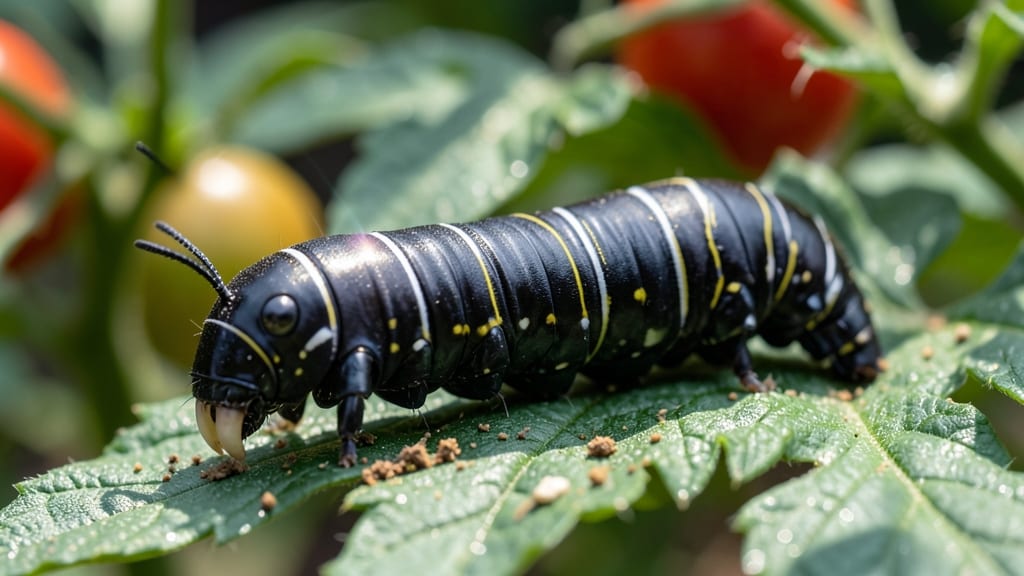
How to get rid of black caterpillars in your garden before they turn your salad days into a feast—here’s the solution. 🌱 I’ve battled them for years, and these natural traps actually work within hours—not weeks. The secret? Outsmarting them with their own instincts instead of harsh chemicals.
Most black caterpillars are cutworms or armyworms, and they hide during the day, striking at night. The good news? A simple glass jar trap with beer or a damp newspaper roll lures them out fast. No fancy tools needed—just what you already have in the garage.
Within 24 hours, you'll see fewer caterpillars slithering through your soil, and your plants will start healing. The best part? These methods are pet-safe and won’t harm pollinators like bees or ladybugs.
Once you’ve cleared the immediate threat, we’ll cover prevention strategies—like proper mulching and companion planting—to keep your garden caterpillar-free for good. No more sneaky nighttime raids!
Root Causes Of Black Caterpillars
Black caterpillars aren’t just a nuisance—they’re often a sign of deeper issues in your garden or home. Understanding why they appear helps you tackle the problem at its source.
Below, we break down the most common reasons these creepy crawlers show up, from environmental triggers to human habits that invite them in.
🌱 Overgrown Host Plants Are Their Buffet
Black caterpillars, like the woolly bear or tussock moth larvae, thrive on specific plants. If your yard or garden has:
- Mulberry trees – A favorite for black caterpillars like the spiny oakworm.
- Grasses and weeds – Woolly bears munch on clover, dandelions, and even lawn grass.
- Fruit trees (peach, cherry, apple) – The black cutworm targets young shoots and buds.
- Vegetable gardens – Tomato and potato plants attract hornworms, which turn black as they mature.
These caterpillars don’t just randomly appear—they’re drawn to abundant, untended foliage. If you’ve neglected pruning or weeding, you’re essentially rolling out the welcome mat. Actionable fix: Regularly inspect and remove overgrown plants, especially before they flower or fruit.
🌙 Warm, Damp Conditions Create Perfect Hatching Grounds
Black caterpillars often hatch in moist, shaded areas where soil stays warm. Key triggers include:
- Heavy rainfall or irrigation – Soggy soil accelerates egg hatching for species like the black cutworm.
- Compost piles or leaf litter – Decaying organic matter traps heat and humidity, ideal for woolly bear eggs.
- Poor drainage in garden beds – Waterlogged spots become breeding hotspots for tussock moth larvae.
- Nighttime activity – Many black caterpillars (like hornworms) are nocturnal and thrive in humid evening air.
💡 Pro Tip: If your garden stays damp for days, consider raised beds with gravel drainage or mulching with straw instead of leaves to disrupt their lifecycle.
🏡 Unsealed Entry Points Let Them Inside
If black caterpillars are invading your home (like clothes moth larvae or Indian meal moths), the issue is usually structural. Common entryways include:
- Gaps in screens or vents – Even tiny holes let caterpillars slip in during migration.
- Cracks in foundation or eaves – Woolly bears or cutworms can squeeze through 1/8-inch gaps.
- Unsealed storage containers – Pantry moth larvae (which turn black) hitchhike on grains, flour, or pet food.
- Open windows during peak activity – Spring and fall are when adult moths lay eggs indoors.
Actionable fix: Seal cracks with caulk, install fine mesh screens (no larger than 1mm), and store dry goods in airtight containers.
🐛 Natural Predators Are Missing (Or You’re Overusing Pesticides)
Black caterpillars usually face checks from birds, parasitic wasps, and beneficial insects. But if you’ve:
- Used broad-spectrum pesticides (like neonicotinoids or carbaryl), you may have wiped out their predators.
- Removed birdhouses or bat roosts from your property.
- Landscaped with monoculture plants (e.g., only roses or only corn), reducing biodiversity.
Without natural controls, caterpillar populations explode. Fix: Introduce ladybugs, praying mantises, or parasitic wasps (available at garden centers) or plant native flowers to attract predator species.
🌍 Climate Shifts Are Expanding Their Range
Rising temperatures and erratic weather patterns are pushing black caterpillar species into new territories. For example:
- Black cutworms now thrive in northern states where winters were once too cold for them.
- Woolly bears are appearing earlier in spring due to warmer winters.
- Tropical species (like the black swallowtail) are migrating northward.
If you’re in an area that’s seen recent unusual warmth or rainfall, black caterpillars may simply be following the climate. Adaptation tip: Monitor local pest reports and adjust your garden maintenance 6–8 weeks earlier than past years.
Quick Fixes for Black Caterpillar Infestations
Black caterpillars—whether they’re woolly bear, tent caterpillars, or hornworms—can turn your garden into a chewed-up mess if left unchecked. The good news? You don’t need harsh chemicals to tackle them.
Below are practical, fast-acting solutions tailored to the most common causes of infestations, plus tips to keep them from returning. Let’s get started!
Black caterpillars love feasting on leaves, stems, and even fruit. Here’s how to stop the damage in its tracks: #### 🔥 Handpick Them (Best for Small Infestations) - Why it works: Physical removal is the fastest way to eliminate caterpillars without harming your plants or the environment. - How to do it: - Wear gloves (some caterpillars have irritating hairs). - Inspect leaves, stems, and undersides of foliage for caterpillars. - Drop them into a bucket of soapy water (1 tbsp dish soap per gallon) to drown them. - Pro tip: 💡 Do this in the early morning when caterpillars are sluggish and easier to spot. #### 🍳 Use Natural Sprays (Safe & Effective) - Why it works: Homemade sprays disrupt caterpillars’ feeding habits without killing beneficial insects. - Best recipes: - Soap spray: Mix 1 tbsp mild liquid soap (like Castile) with 1 quart of water. Spray directly on caterpillars and infested areas. - Neem oil spray: Combine 1 tbsp neem oil, 1 tsp mild soap, and 1 quart of water. Shake well and spray on affected plants. (Reapply every 3–5 days.) - Garlic spray: Blend 2 cloves of garlic with 1 quart of water, strain, and add a drop of dish soap. Spray on plants to repel caterpillars. - Pro tip: 🌡️ Apply sprays in the evening to avoid harming bees and other pollinators. #### 👨🍳 Set Up Traps (For Tent Caterpillars & Woolly Bears) - Why it works: Some caterpillars are attracted to specific scents or lights, making traps an effective way to lure and trap them. - DIY trap ideas: - Beer trap: Bury a shallow dish filled with beer near infested trees. The yeast odor attracts caterpillars, and they drown. - Light trap: Place a white sheet near a porch light at night. Caterpillars are drawn to light and can be shaken into a bucket of soapy water. - Pheromone traps: For severe infestations, use commercial traps (like those for tent caterpillars) to disrupt mating cycles. Black caterpillars can sometimes find their way indoors, especially if they’re woolly bear caterpillars or clothes moth larvae. Here’s how to evict them: #### 🥘 Seal Entry Points (Prevention First!) - Why it works: Caterpillars sneak in through cracks, gaps, or unsealed windows. - How to do it: - Inspect your home for gaps around doors, windows, and vents. Seal them with caulk or weatherstripping. - Install fine mesh screens on windows and vents. - Pro tip: ✨ Check your attic, basement, and storage areas for hidden eggs or cocoons. #### 🔪 Vacuum Them Up (For Indoor Infestations) - Why it works: A vacuum is a quick way to remove caterpillars without chemicals. - How to do it: - Use a vacuum with a fine mesh bag to suck up caterpillars from carpets, curtains, or stored fabrics. - Dispose of the bag immediately in an outdoor trash bin. - Pro tip: 🎯 For clothes moth larvae, vacuum inside closets and under furniture regularly. #### 🧼 Clean Infested Areas - Why it works: Caterpillars (like clothes moths) lay eggs in hidden, dark places. - How to do it: - Wash infested fabrics (like wool or silk) in hot water (130°F or higher) to kill eggs and larvae. - Use a steam cleaner on carpets, upholstery, and baseboards. - Store clothes in tightly sealed containers with cedar blocks or lavender sachets to deter future infestations. Once you’ve dealt with the caterpillars, take these steps to keep them away for good: - 💡 Maintain a healthy garden: Strong, thriving plants are less attractive to pests. Water regularly, fertilize appropriately, and prune dead leaves. - 🌿 Introduce natural predators: Birds, ladybugs, and parasitic wasps love eating caterpillars. Install birdhouses or avoid pesticides to encourage them. - 🍎 Rotate crops: If you’re growing vegetables, rotate plant families yearly to disrupt caterpillar life cycles. - 🌙 Time your planting: Some caterpillars (like tomato hornworms) are seasonal. Plant susceptible crops (like tomatoes or apples) after their peak season. - 🧹 Regular inspections: Check your plants and home weekly for early signs of caterpillars or eggs. Catching them early makes removal easier!With these solutions, you’ll be able to eliminate black caterpillars fast and keep your garden (and home) pest-free. No chemicals required!
Frequently asked questions
Are black caterpillars always harmful to my garden?
Not all black caterpillars are pests! Some, like the woolly bear caterpillar (Isabella tiger moth), are harmless and even beneficial as they eat weeds. However, destructive species include cutworms, hornworms, and tent caterpillars, which devour leaves and stems. Always identify them first—look for damage patterns or consult a local extension office.
How do I tell the difference between cutworms and woolly bears?
Cutworms are smooth, dark, and often have a distinct head capsule, while woolly bears have bristly bands (orange/yellow and black). Cutworms hide in soil during the day and cut plants at ground level, whereas woolly bears roll into a ball when threatened. Check for these visual clues before treating.
Will neem oil kill caterpillar eggs too?
Neem oil primarily targets hatching larvae and feeding caterpillars, but it’s not a reliable egg killer. For eggs, focus on physical removal (scrubbing leaves) or introduce parasitic wasps, which naturally attack egg clusters. Reapply neem oil every 3–5 days to prevent new hatches.
Can I use beer traps for indoor caterpillars like clothes moths?
No, beer traps work best for outdoor pests like cutworms or tent caterpillars. For indoor infestations (e.g., clothes moth larvae), use pheromone traps or vacuum them up. Store dry goods in airtight containers and wash fabrics in hot water (130°F+) to break their life cycle.
Are black caterpillars worse in certain seasons?
Yes! Most black caterpillars peak in spring and fall when temperatures are mild and humidity is high. Cutworms thrive after spring rains, while woolly bears appear in late summer before pupating. Monitor your garden during these windows and act early to prevent outbreaks.