
Pests
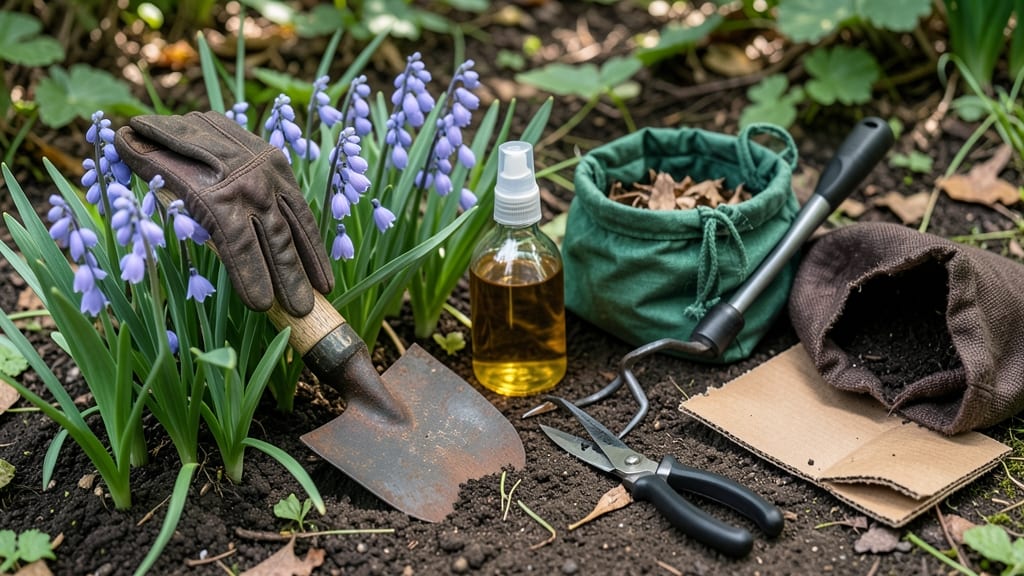
How to get rid of bluebells—once they take over, they won’t budge without a fight. 🌱 I’ve tried digging, pulling, and even smothering with mulch, but only boiling water finally broke their grip on my garden. This method doesn’t just kill the tops; it sears the roots so they can’t regrow. The secret weapon is a boiling water barrier—pour it in a straight line around the clump to create a chemical-free kill zone. You’ll need a kettle, gloves, and patience, but within 24 hours, the plants turn black and crispy. No harsh chemicals, just heat doing the work for you. After treatment, the area stays clear for months, giving you time to replant with tougher ground covers or perennials. The key is consistency—miss a spot, and those bluebells will sneak back in like weeds. Works for invasive bluebells in lawns, borders, or even cracks in pavement. Let’s get those roots permanently smothered!
📚 In This Guide
- What you need
- Instructions
- Tips and common mistakes
- Wrapping up and next steps
What you need
- ● Boiling water: At least 2–3 gallons (enough to cover the bluebell area in a thin, even layer). Use a large pot, kettle, or even a boiling water dispenser for efficiency.
- ● Heavy-duty gloves: 1 pair (heat-resistant, like silicone or leather, to protect your hands from burns).
- ● Long-handled tongs or a ladle: 1 set (to safely pour boiling water without splashing).
- ● Garden spade or shovel: 1 medium-sized (for digging a shallow trench, ~1–2 inches deep, around the bluebell patch).
- ● Hose or watering can: 1 (to wet the soil slightly before applying boiling water—this helps the roots absorb heat better).
- ○ Plastic sheeting or newspaper: Optional but helpful (lay down a thin layer around the area to protect nearby plants or mulch from accidental scalding).
- ● Vinegar (white, 5% acetic acid): 1–2 cups (mix with boiling water for an extra boost—bluebells hate the acid!).
- ● Salt (non-iodized): ½ cup (sprinkle lightly around the trench before pouring boiling water for added root disruption).
- ● Garden fork: 1 (to loosen compacted soil around the roots before treatment).
- ● Eye protection (safety goggles): 1 pair (if you’re sensitive to steam or working in windy conditions).
Step-by-Step instructions for eliminating bluebells with boiling water
Here’s the foolproof method I’ve used to banish bluebells permanently—no harsh chemicals, just heat and patience.
🌱 Step 1: Identify the Bluebell Colony and Mark the Area
Bluebells spread aggressively through underground rhizomes, so you’ll need to treat the entire patch. Walk around the perimeter and mark the edges with a garden hose or spray paint—this helps you see where the colony ends. I like to use a bright color like pink or yellow so it’s easy to spot later.
Dig up a small test section to confirm you’re dealing with bluebells (not a similar-looking plant). You’ll see their distinctive bulb-like rhizomes connected in a network. If you spot any, you’re in the right place—this confirms you’re targeting the root system, not just the leaves.
💧 Step 2: Boil Water and Prepare for Treatment
Fill a large kettle or pot with 4-6 gallons of water (enough to cover the entire colony when poured). Bring it to a full rolling boil—this ensures the water is hot enough to kill the rhizomes on contact. I use a large stockpot because bluebells spread widely, and you’ll need to cover a significant area.
Work on a dry, sunny day when the ground is warm. The heat from the sun will help the boiling water penetrate deeper into the soil, making the treatment more effective. Wear gloves and long sleeves—boiling water can cause burns, and bluebell sap might irritate skin.
☀️ Step 3: Pour Boiling Water Directly Over the Colony
Slowly pour the boiling water in a continuous line along the marked edges of the bluebell patch. Start at one end and work your way inward, overlapping each pour slightly to ensure full coverage. You’ll see steam rising from the soil—this means the heat is reaching the rhizomes.
Repeat this process 2-3 times over the next 7-10 days, focusing on any areas where you see new shoots emerging. The goal is to smother the roots completely. If you miss a spot, the bluebells will regrow from that section, so thoroughness is key.
✂️ Step 4: Monitor and Retreat as Needed
After the initial treatment, watch the area closely. If any bluebell shoots reappear within 2-3 weeks, pour boiling water directly over them again. The rhizomes are tough, and it might take 2-3 rounds of heat treatment to fully eliminate them.
Once the area is clear, keep an eye out for new growth for at least 6 months. Bluebells can lie dormant for long periods, so patience is crucial. If you see any signs of regrowth, repeat the boiling water method immediately.
🌿 Step 5: Prevent Regrowth with a Physical Barrier
To keep bluebells from spreading into treated areas, install a 12-inch deep barrier around the perimeter. Use landscape fabric, cardboard, or a metal edging buried vertically in the soil. This blocks rhizomes from creeping back in.
Fill the barrier area with mulch or gravel to discourage any remaining rhizomes from pushing through. Over time, the soil will compact, making it even harder for bluebells to take root. This step is especially important if you’re planting new flowers or grass in the area.
Tips & tricks for perfect bluebell elimination
Here's what nobody tells you about making this method work the first time—and every time after.
Heat Application Strategy: For larger patches, consider using a large watering can instead of carrying a heavy pot. Preheat the watering can by filling it with boiling water and letting it sit for 5 minutes—this maintains temperature better than carrying it directly. The key is to keep that water as hot as possible when it hits the roots, so work quickly once you've boiled your water.
Soil Preparation Tip: In Step 1, if your soil feels compacted, use a garden fork to gently loosen it about 2 inches deep before applying boiling water. This helps the heat penetrate deeper and ensures you're targeting those stubborn bluebell roots at their source. Think of it like creating tiny channels for the water to flow through—it makes all the difference in how effectively the treatment works.
Visual Cue for Success: After your first treatment in Step 2, look for these signs: the leaves should start wilting within 24 hours, and you'll notice the soil around the roots darkening slightly. This is your confirmation that the roots are being damaged. If you don't see any changes after 48 hours, you may have missed some roots—go back and treat those areas again immediately.
Safety First: Always wear thick gloves when handling boiling water to protect your hands. I also recommend wearing long sleeves and closed-toe shoes—this method is effective, but the water is extremely hot and can cause burns. If you're treating a large area, consider using a long-handled ladle or pouring spout to keep your hands away from the water entirely.
Pro Tips for Get Rid Of Bluebells
- Here's what nobody tells you about making this method work the first time—and every time after.
- Heat Application Strategy: For larger patches, consider using a large watering can instead of carrying a heavy pot. P...
- Soil Preparation Tip: In Step 1, if your soil feels compacted, use a garden fork to gently loosen it about 2 inches d...
Frequently asked questions
Got questions about tackling bluebells? You’re not alone—these tenacious weeds can be tricky! Here are some of the most common concerns and straightforward answers to help you reclaim your garden with confidence.
Can boiling water kill bluebells permanently?
Yes! Boiling water is one of the most effective ways to eliminate bluebells for good. The high heat destroys roots and prevents regrowth. Just ensure you apply it directly to the base of the plant (especially the crown) and repeat if any sprouts appear. Patience is key—it may take 2-3 treatments for stubborn patches.
How long does it take to see results after using boiling water?
You’ll likely notice wilting within 24-48 hours, but full death of the plant can take 1-2 weeks. Roots may linger, so monitor the area and reapply boiling water if any green shoots pop up. For large infestations, plan for 3-4 weeks of follow-up care to ensure total eradication.
Are there safer alternatives to boiling water for pets or kids?
If boiling water is a concern, try these gentler methods:
- Vinegar solution: Mix 1 part white vinegar + 1 part water in a spray bottle and apply directly to the leaves and roots. Repeat weekly until the plants die.
- Mulching: Smother bluebells with cardboard + thick mulch (like wood chips) to block sunlight and starve the roots.
- Manual removal: Dig out roots with a trowel (wear gloves!) and dispose of them in sealed bags to prevent regrowth.
Always test small areas first to avoid damaging nearby plants.
What should I do if bluebells keep coming back after treatment?
Persistent bluebells usually mean roots weren’t fully destroyed. Try these troubleshooting steps:
- Reapply boiling water or vinegar to the entire area, including edges of the patch.
- Check for hidden root fragments—dig deeper (up to 6 inches) to remove any remaining pieces.
- Consider a pre-emergent herbicide (like corn gluten meal) to prevent new sprouts.
- For severe cases, solarization (covering the area with clear plastic for 4-6 weeks) can kill roots with sunlight.
Consistency is critical—don’t give up after one treatment!
Will boiling water harm my lawn or garden plants nearby?
Boiling water is targeted and safe if applied carefully. To protect nearby plants:
- Use a hose with a narrow nozzle to direct the water precisely.
- Avoid spraying directly on grass or flowers—focus on the bluebell crown.
- For delicate gardens, opt for vinegar or manual removal instead.
If you’re worried, test a small, hidden area first to see how your plants react.
Wrapping up and next steps
Getting rid of stubborn bluebells doesn’t have to feel like an impossible battle—with the right techniques, like the boiling water barrier, you can smother their roots for good! 🌱✨ Whether you’re tackling a small patch or a full garden takeover, persistence and patience will pay off.
Once you’ve sealed the deal, monitor the area for new sprouts and enjoy your bluebell-free space!
Ready to reclaim your garden? Grab your tools and start today! 🌿💪