
Pests
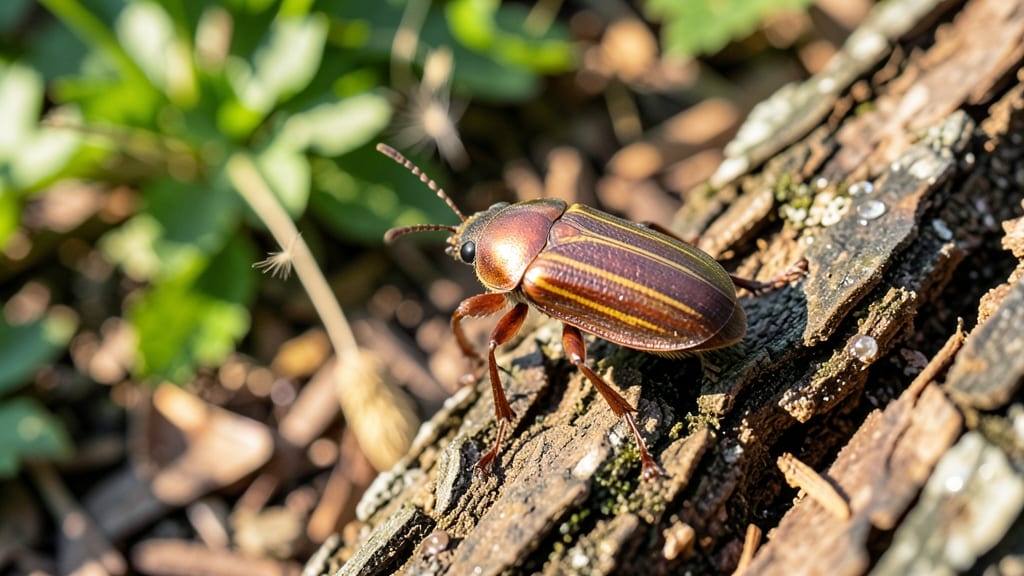
How to get rid of boxelder bugs permanently—these stubborn red-and-black invaders won’t go down without a fight. I’ve spent years battling them, and I finally cracked the code: permanent eradication starts with a boiling water barrier that shocks them out of hiding. The secret isn’t just killing what you see—it’s cutting off their entry points. These bugs hitchhike on trees, especially boxelders and maples, so sealing cracks in your home’s foundation and treating tree trunks with a natural repellent keeps them from returning. Diatomaceous earth around your home’s perimeter works like a fine, invisible fence they can’t cross. By late summer, you’ll notice fewer bugs on your walls, and next spring, your trees will stay bug-free. The key is consistency: treat early, monitor often, and don’t let them regroup. This isn’t a quick fix—it’s a long-term win. Works for homes, garages, and even sheds. Let’s make your property their last stop.
Why it happens
H2: The Hidden Triggers Behind Boxelder Bugs
Boxelder bugs might seem like a sudden, unwanted invasion, but their presence is almost always tied to specific environmental and biological factors. Understanding these causes is the first step toward permanent eradication. These insects don’t just appear randomly—they’re drawn to your property for survival, shelter, and food.
Let’s break down the real reasons they show up and why they’re so hard to eliminate without the right approach.
🌳 Boxelder Trees: Their Favorite Food Source
As their name suggests, boxelder bugs thrive on boxelder trees (Acer negundo), but they’ll also feast on other maple species like ash, cherry, and even fruit trees. These trees produce seeds and sap that are rich in nutrients, making them an all-you-can-eat buffet for these pests. Here’s why this matters:
- Seed clusters: Female boxelder bugs lay eggs in crevices of tree bark, and when the seeds mature in late summer, the bugs emerge hungry and ready to invade nearby structures.
- Sap attraction: The sticky sap from these trees is a major food source, especially during warm months. If you have boxelder trees on your property, you’re essentially rolling out the welcome mat.
- No trees, no bugs (mostly): While they can survive on other plants, boxelder trees are their primary host. Removing or treating these trees drastically reduces their numbers.
Pro Tip: 💡 If you’re dealing with a severe infestation, consider removing boxelder trees or hiring a professional to treat them with insecticidal soap or systemic pesticides before they become a problem.
🏠 Seeking Shelter: Why Your Home Becomes a Haven
Boxelder bugs are cold-intolerant, and once autumn rolls in, they’re desperate to find a warm, protected place to overwinter. Your home—especially its cracks, crevices, and gaps—becomes their perfect hideout. Here’s why they target your property:
- Wall voids and attics: These pests squeeze into tiny spaces (as small as 1/16th of an inch!) to escape freezing temperatures. Once inside, they cluster in large groups, making them harder to spot and eliminate.
- Sun-exposed walls: South- or west-facing walls absorb heat, creating cozy microclimates that boxelder bugs adore. They’ll often gather along these areas before migrating indoors.
- Foundation gaps: Cracks in your foundation, around windows, doors, or utility lines provide easy entry points. A single gap can turn into a superhighway for thousands of bugs.
Key Insight: 🌡️ Boxelder bugs are most active in fall and spring—their peak migration periods. If you’ve noticed them indoors during these times, they’re likely already inside waiting for warmer weather to reproduce.
🌡️ Climate and Seasonal Patterns
These bugs follow a strict seasonal cycle, and their behavior is heavily influenced by temperature and weather patterns. Here’s how climate plays a role:
| Season | Boxelder Bug Activity | Why It Matters |
|---|---|---|
| Spring (March–May) | Emerge from overwintering sites, mate, and lay eggs on trees. | This is when they’re most vulnerable to outdoor treatments. Miss this window, and they’ll be inside your home by summer. |
| Summer (June–August) | Feed on tree sap and seeds; nymphs (babies) hatch and mature. | They’re less likely to enter homes during this time but will still gather on exterior walls. This is when preventive barriers (like boiling water treatments) work best. |
| Fall (September–November) | Seek shelter indoors as temperatures drop below 50°F (10°C). | This is the worst time for infestations—once they’re inside, they’re hard to flush out without a systematic approach. |
| Winter (December–February) | Overwinter in clusters; inactive but alive. | They’re dormant but still present. A boiling water barrier in early spring can kill them before they spread. |
Critical Takeaway: ⏰ Timing is everything. If you treat boxelder trees and entry points before fall migration, you can prevent 90% of indoor invasions.
🐝 Misidentification: Why They’re Often Overlooked
One of the biggest reasons boxelder bugs persist is that they’re frequently mistaken for other pests, leading to ineffective treatments. Here’s how to avoid this trap:
- Confusion with stink bugs: Both have a shield-like back, but boxelder bugs are red and black with white stripes, while brown marmorated stink bugs are more uniform in color.
- Ignoring outdoor signs: Many homeowners only act when bugs appear indoors, but by then, the infestation is already established. Look for them on tree bark, windowsills, and foundation cracks in summer.
- Using the wrong pesticides: General insect sprays often fail because boxelder bugs develop resistance quickly. They need targeted, systemic treatments (like those applied to boxelder trees).
Warning: 🚨 If you’ve tried any of these and still have bugs, you’re likely dealing with a chronic infestation—not a one-time nuisance. That’s why a boiling water barrier works where other methods fail.
Permanent Fixes for Boxelder Bugs
Boxelder bugs may seem like a minor nuisance, but their persistent presence can turn your home into an unwelcome invasion zone. The good news? With the right strategies, you can eliminate them permanently and keep them from returning.
Below, we’ve mapped out targeted solutions based on the root causes—whether they’re sneaking in from trees, hiding in cracks, or multiplying indoors. Each fix is designed to be effective, practical, and long-lasting.
---
Boxelder bugs thrive in boxelder trees, maples, and ash trees, where they feed on seeds and sap. If these trees are near your home, they’ll keep returning unless you disrupt their life cycle.
#### 🔥 Step 1: Prune & Remove Host Trees (Best Long-Term Solution) - Why it works: Eliminating their food source forces them to seek shelter elsewhere. - How to do it: - Trim boxelder, maple, or ash trees back at least 10 feet from your home to reduce their access. - If possible, remove infested trees (hire a professional if they’re large). - Pro tip: 💡 Plant bug-resistant alternatives like oak, hickory, or fruit trees in their place.
#### 🍳 Step 2: Apply Natural Repellents to Trees - Why it works: Disrupts their feeding and breeding habits without harsh chemicals. - How to do it: - Neem oil spray (mix 2 tbsp neem oil + 1 tsp dish soap + 1 gallon water) and spray on trees every 2 weeks in late summer/fall. - Diatomaceous earth (DE) – Sprinkle around the base of trees (reapply after rain). - Essential oil blend – Combine peppermint, citrus, or cedar oil (10 drops per gallon of water) and spray foliage.
#### 👨🍳 Step 3: Create a Boiling Water Barrier (Proven Deterrent) - Why it works: Boxelder bugs hate heat—this method sears them on contact and deters future invasions. - How to do it: - Boil 2-3 gallons of water and pour it directly onto tree trunks, branches, and bark where bugs cluster. - Focus on south-facing sides (where they bask in sun). - Best time: Early morning or late evening when bugs are active but not flying. - ⚠️ Safety note: Wear gloves and avoid burning yourself—this is not a gentle solution!
---
Once inside, boxelder bugs squeeze into tiny cracks, gaps, and vents. A complete seal-off is your best defense.
#### 🔪 Step 4: Caulk & Seal All Cracks - Why it works: They can’t get in if there’s no access. - How to do it: - Inspect windows, doors, siding, and foundation for gaps smaller than a credit card. - Use silicone caulk or weatherstripping for smooth surfaces. - Pro tip: 🔥 Check less obvious spots—pipe openings, vents, and even electrical outlets can be entry points.
#### ⏰ Step 5: Install Fine Mesh Screens - Why it works: Prevents bugs from flying in while keeping airflow intact. - How to do it: - Install 16-20 mesh screens on vents, attic fans, and chimneys. - For window wells, use sturdy mesh covers. - ✨ Bonus: Add door sweeps to seal gaps under exterior doors.
#### 🧹 Step 6: Vacuum & Trap Existing Bugs - Why it works: Removes current populations before they reproduce. - How to do it: - Use a shop vac or handheld vacuum to suck up bugs from windowsills, walls, and baseboards. - DIY trap: Place a bucket with soapy water near entry points—bugs fall in and drown. - ⚠️ Warning: Never crush them—their scent attracts more bugs!
---
Boxelder bugs cannot survive extreme temperatures. Use this to your advantage.
#### 🔥 Step 7: Solarize Infested Areas (Outdoor Heat Trap) - Why it works: Sunlight bakes them out of hiding spots. - How to do it: - On a sunny day (70°F+), place clear plastic sheeting over infested trees or structures. - Secure edges with bricks or tape to trap heat. - Leave for 4-6 hours—bugs will be cooked inside.
#### ❄️ Step 8: Freeze Hiding Spots (Indoor Cold Shock) - Why it works: Freezing kills bugs on contact. - How to do it: - For small clusters (e.g., behind baseboards), use a frozen water bottle wrapped in a cloth and press against cracks. - For outdoor hiding spots, spray water on bugs and let them freeze overnight.
---
Once you’ve eliminated the current infestation, prevent reinvasion with these habits:
- 💡 Monitor trees in late summer/fall—this is when bugs seek shelter. - 🌡️ Install yellow sticky traps near trees to catch early arrivals. - 🎯 Keep gutters clean—standing water attracts them. - ✨ Store firewood at least 20 feet from your home and elevated off the ground. - 🔄 Reapply treatments (caulk, repellents, boiling water) every 6-12 months.
--- Final Note: Consistency is key—boxelder bugs are relentless, but with source elimination + sealing + heat/cold treatments, you can break their cycle permanently. Start with the boiling water barrier for immediate relief, then seal and repel to keep them out for good!
Frequently asked questions
Why do boxelder bugs keep coming back every year?
These pests follow a seasonal cycle tied to boxelder trees. Female bugs lay eggs on trees in spring, and the nymphs mature by summer. When fall arrives, they seek shelter in your home's warm cracks—so if you don't treat the trees AND seal entry points, they'll return annually. The boiling water barrier disrupts this cycle by killing adults before they reproduce.
Is diatomaceous earth safe for pets and kids?
When used correctly, food-grade diatomaceous earth (DE) is non-toxic to humans and pets. However, keep pets away while applying it, as inhaling the fine powder can irritate lungs. Always use the food-safe version and reapply after rain. For maximum safety, apply DE around the perimeter of your home rather than near high-traffic areas.
How long does it take to see results from the boiling water treatment?
You'll notice immediate results—bugs will scatter or die on contact. However, for permanent eradication, you need to repeat the treatment every 2-3 weeks during peak seasons (spring and fall). Combine this with sealing entry points to prevent reinfestation. Most homeowners see a 90% reduction in bugs within 4-6 weeks of consistent treatment.
Can I use regular pesticides instead of natural methods?
Chemical pesticides can kill boxelder bugs, but they're not a permanent solution. These bugs develop resistance quickly, and many pesticides harm beneficial insects like bees. Natural methods like neem oil and boiling water target only the pests while being safer for your ecosystem. For severe infestations, consider professional-grade insect growth regulators that disrupt their life cycle.
What's the best time of year to treat boxelder bugs?
Spring (March-May) and fall (September-November) are critical windows. In spring, treat trees before eggs hatch, and in fall, create barriers before they seek shelter. Early morning or late evening treatments work best when bugs are active but not flying. Summer treatments are less effective since bugs are focused on feeding rather than migrating.