
Pests
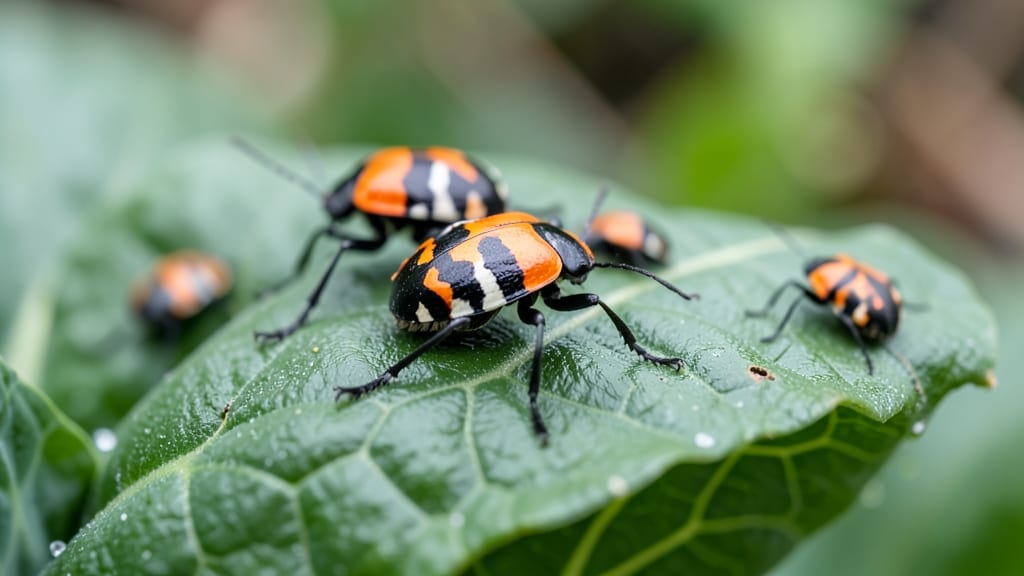
How to get rid of bugs on collard greens can turn your harvest into a chewed-up mess faster than you can say "southern comfort." 🌿 I've battled everything from aphid colonies to ravenous cabbage worms, and these two methods—cold water rinses and vinegar soaks—save my greens every time without harsh chemicals.
The problem starts when pests like aphids or flea beetles find your collard greens before you do. They multiply fast, leaving behind sticky residue or ragged holes, and store-bought sprays often miss the undersides where they hide.
My go-to solutions work in 5 minutes and keep your plants thriving for weeks.
After treatment, your collard greens stay crisp, vibrant, and ready to harvest. The cold water knocks off pests while preserving the plant's natural defenses, and the vinegar soak creates an inhospitable environment for future infestations. You'll notice the difference in just one harvest cycle—no more sad, skeletonized leaves.
Works for any collard variety, whether you're growing them in containers, raised beds, or directly in the garden. The best part? These methods prevent future problems too, so you won't need to repeat the process often. Let's get those greens bug-free!
Why it happens
H2: The Root Causes of Bugs
Collard greens may seem like a low-maintenance, nutrient-packed superfood, but they’re actually a magnet for pests—especially when grown in gardens, purchased from stores, or stored improperly. Understanding why bugs target your collard greens is the first step to keeping them pest-free. Let’s break down the science behind these unwanted visitors.
---
Collard greens are packed with nutrients like nitrogen, vitamins A and C, and minerals that make them irresistible to insects. Here’s why they’re a prime target:
- High moisture content: Soft, juicy leaves are perfect for sap-sucking pests like aphids and flea beetles, which thrive in moist environments.
- Rich in nitrogen: Fast-growing greens with high nitrogen levels (like collards) attract chewing insects like cabbage loopers and hornworms, which need protein to develop.
- Delicate leaf structure: Thin, tender leaves provide easy access for pests to feed without damaging the plant’s defenses.
Fun fact: Some bugs, like cabbage worms, are drawn to the mustard oil compounds in collards—chemicals that deter humans but act as an aphrodisiac to certain pests! 🐛💘
---
If you’re growing collard greens, your farming practices could be silently inviting bugs. Here’s how:
- Lack of crop rotation: Planting collards (or other brassicas like kale or cabbage) in the same spot year after year allows pest eggs and larvae to build up in the soil. Many collard-loving bugs, like imported cabbage worms, overwinter in the ground.
- Weeds and debris: Overgrown gardens with weeds (especially mustards or wild brassicas) create hiding spots for pests. Adult pests lay eggs in these areas, then migrate to your collards when they mature.
- Over-fertilizing with nitrogen: While nitrogen boosts growth, it also makes plants softer and more palatable to chewing insects. A balanced fertilizer (with potassium and phosphorus) helps strengthen plant defenses.
Pro tip:💡 Rotate crops annually and remove garden debris in fall to starve out overwintering pests.
---
Even if you buy collard greens from a grocery store or farmers’ market, bugs can still be lurking. Here’s how contamination happens:
- Field infestations: Many commercial farms use organic or low-spray methods, meaning pests like aphids or thrips may still be present when harvested. These bugs hide in crevices of the leaves or stems.
- Poor handling during transport: Collards are often packed loosely, allowing pests to crawl into bags or containers. Some stores even mist leaves with water (to keep them fresh), creating a moisture-rich environment that pests love.
- Cross-contamination in storage: Bugs can jump from other produce (like lettuce or herbs) to collards if stored together in humid conditions.
Warning:🚨 Always inspect store-bought collards before storing—even "organic" labels don’t guarantee pest-free produce!
---
Once collards are inside your home, poor storage habits turn them into a bug buffet. Common indoor triggers include:
- High humidity: Collards wilt quickly in dry air, but if stored in plastic bags without ventilation, condensation forms—creating a damp, bug-friendly microclimate. Fungus gnats and shore flies thrive in these conditions.
- Ethylene gas buildup: Storing collards near ethylene-producing fruits (like apples or bananas) speeds up spoilage, making leaves softer and more attractive to pests.
- Unwashed leaves: Soil, debris, or pesticide residues on leaves can harbor egg-laying pests like spider mites or whiteflies. Even a tiny speck of dirt can be a bug nursery!
Pro tip:🌡️ Store collards in paper towels in the fridge crisper (with ventilation) to reduce moisture and deter pests.
---
Quick Fixes for Common Collard Green Pests
Once you’ve identified the pests plaguing your collard greens, it’s time to act! Below are practical, step-by-step solutions tailored to the most common culprits—plus prevention tips to keep your greens bug-free for longer. No fancy tools or chemicals required!
---
Fix: These sap-sucking pests cluster on undersides of leaves. Blast them off with a strong spray of cold water (they’re lightweight and easily dislodged). For stubborn infestations: 1. 🔥 Soak in Vinegar Solution – Mix 1 part white vinegar + 3 parts water in a spray bottle. Lightly mist the leaves (avoid oversaturating to prevent mold). 2. 🍳 Homemade Insecticidal Soap – Combine 1 tbsp mild liquid soap (like Castile) + 1 quart water. Spray directly on aphids. Reapply every 3–4 days. 3. 👨🍳 Introduce Beneficial Insects – Ladybugs and lacewings love aphids. Release them near your plants at dusk.
💡 Prevention Tip: Neem oil spray (1 tsp neem oil + 1 tsp mild soap + 1 quart water) applied weekly deters aphids before they take hold.
---
Fix: These speckled beetles chew tiny holes in leaves. Trap and remove them with these methods: 1. 🥘 Yellow Sticky Traps – Cut yellow cardboard or paper into strips, coat with petroleum jelly, and place near plants. Beetles are drawn to the color and get stuck. 2. 🔪 Row Covers – Use fine mesh netting (like floating row covers) to physically block beetles while allowing light and water through. 3. 🌡️ Floating Row Cover Hack – If you don’t have netting, cover young plants with overturned flower pots for a few hours to trap beetles underneath.
💡 Prevention Tip: Interplant collards with radishes or onions—their strong scent repels flea beetles naturally.
---
Fix: These large, fuzzy caterpillars devour leaves overnight. Handpick them (wear gloves!) and drop them into soapy water. For heavier infestations: 1. 🍳 Bacillus thuringiensis (Bt) Spray – A natural bacterial pesticide (sold as Dipel or Thuricide). Spray on leaves—it’s safe for humans and pets but deadly to caterpillars. 2. 🔪 Remove Eggs – Check undersides of leaves for tiny white eggs. Scrape them off with a fingernail or soft brush. 3. 🎯 Parasitic Wasps – Release Trichogramma wasps (tiny, non-stinging) to lay eggs inside cabbage worm eggs—they’ll hatch and eat the pests from within!
💡 Prevention Tip: Plant collards near dill or fennel—their scent attracts parasitic wasps, which hunt cabbage worms naturally.
---
Fix: These slimy invaders leave silver trails and large, irregular holes. Eliminate them with these traps: 1. 🥘 Beer Traps – Bury a small container (like a yogurt cup) filled with beer up to the rim. Slugs crawl in and drown overnight. 2. 🔪 Copper Barrier – Wrap copper tape around plant bases—slugs get a mild electric shock and avoid crossing. 3. 🌡️ Diatomaceous Earth (DE) – Sprinkle food-grade DE around the base of plants. It dehydrates slugs without harming plants (reapply after rain).
💡 Prevention Tip: Water in the morning (not evening) to let soil dry faster—slugs hate dry conditions.
--- - 💡 Rotate Your Plants – Avoid planting collards in the same spot yearly to break pest life cycles. - 🌡️ Keep Soil Healthy – Compost-rich soil grows stronger plants that pests avoid.
Add aged compost before planting. - ✨ Companion Planting – Grow basil, thyme, or marigolds nearby—their scents mask collard greens from pests. - 🔪 Regular Inspections – Check undersides of leaves, stems, and soil 2–3 times weekly for early signs of pests.
--- Pro Tip: If pests persist, quarantine affected plants for 24 hours in a separate container with a vinegar-water soak before reintroducing them to the garden. This stops cross-contamination!
Frequently asked questions about collard green pests
Why do collard greens attract so many bugs compared to other leafy greens?
Collard greens have a high nitrogen content and delicate leaf structure, making them irresistible to pests like aphids and cabbage worms. Their mustard oil compounds even act as an aphrodisiac to certain insects! Plus, their tender leaves provide easy access for feeding without triggering strong plant defenses.
Can I use the vinegar soak method on collard greens I bought from the store?
Yes! Rinse store-bought collards in cold water first to remove loose pests, then soak in a 1:3 vinegar-to-water solution for 5-10 minutes. This kills hidden eggs and larvae while keeping your greens fresh. Just pat dry thoroughly to prevent mold.
How often should I check my collard plants for pests if I use prevention methods?
Inspect your plants 2-3 times per week, focusing on leaf undersides and stems where pests hide. Even with prevention, early detection is key—cabbage worms can go from egg to caterpillar in just 5 days. A quick 5-minute check during watering keeps problems small.
Will neem oil harm my collard greens if I use it too often?
Neem oil is safe when used correctly, but apply it no more than once per week. Overuse can stress plants or cause leaf burn. Always mix with 1 tsp mild soap per quart of water to help it stick to leaves. Stop using 2 weeks before harvest to avoid any residue.
What's the fastest way to tell if my collard greens have slugs or cabbage worms?
Check for silver slime trails (slugs) or large, fuzzy caterpillars (cabbage worms). Slugs leave irregular holes with smooth edges, while worms create jagged holes and often hide along leaf veins. Look at dusk when both are most active.