
Pests
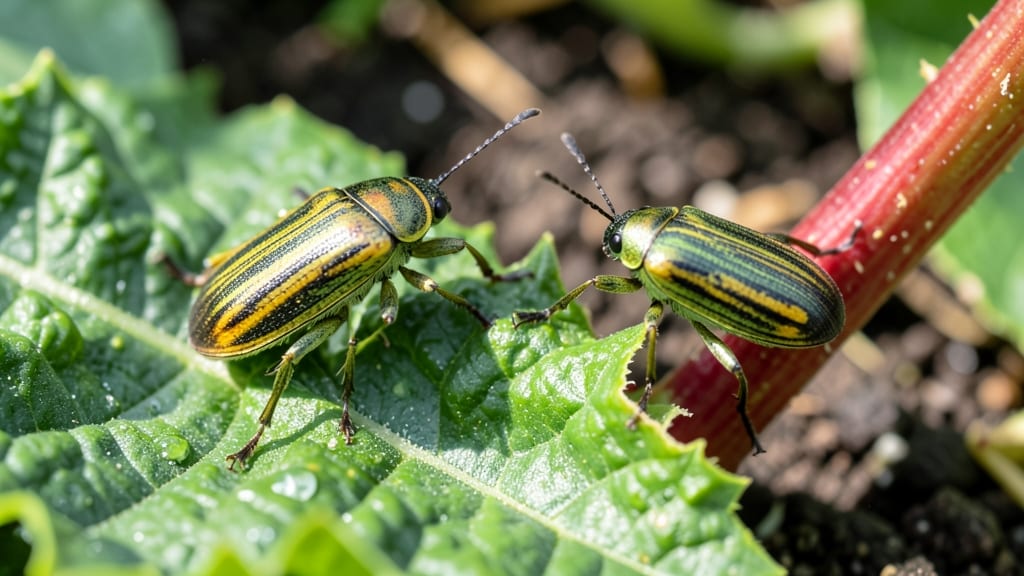
How to get rid of cucumber beetles—before they turn your thriving vines into skeleton leaves overnight. 🌱 I’ve lost entire squash plants to these striped pests—until I discovered a 5-minute cold water soak that drowns adults while saving your harvest. The secret? Timing and a deep enough bucket.
These beetles chew through cucumber leaves and spread bacterial wilt, but they’re slow fliers. A 10-gallon bucket of cold water (no soap!) works because they can’t swim—just dunk infested foliage for 2-3 minutes and watch them surface.
Repeat daily until they disappear. My plants bounced back in less than a week.
For stubborn infestations, add neem oil to the water or use row covers early in the season. The key is acting fast—once they’re gone, your vines will regrow with lush, disease-free foliage and heavy fruit production. No more wilting vines or chewed leaves.
Works for squash, melons, and pumpkins too. Here’s the step-by-step method that saved my garden—and how to keep them from returning next year.
Root Causes of Cucumber Beetle Infestations
Cucumber beetles—those tiny, striped pests—don’t just appear out of nowhere. Their presence is usually a result of specific environmental and agricultural conditions that make your garden an all-you-can-eat buffet.
Understanding why they show up is the first step to stopping them before they wreak havoc on your cucumbers, squash, and melons. Let’s break down the science behind their invasion.
Cucumber beetles are drawn to plants that are already stressed or compromised. When plants are overripe, wilted, or physically damaged (from hail, wind, or poor soil conditions), they release volatile organic compounds (VOCs) that act like a dinner bell to these pests.
These compounds signal that the plant is weak and easy prey.
🔬 Why it matters:
- Sugar-rich sap from overripe fruit becomes a protein and sugar cocktail for beetles, accelerating their reproduction.
- Damaged leaves expose the plant’s vascular system, making it easier for beetles to and their larvae to feed on the juicy stems.
- Weakened plants are more susceptible to bacterial wilt, a disease spread by cucumber beetles, which can kill your crop entirely.
💡 Pro tip: Harvest produce promptly and remove any fallen or diseased plants from your garden immediately. This eliminates both food sources and breeding grounds.
Cucumber beetles thrive in gardens where debris, weeds, and old plant matter linger. These areas provide shelter, moisture, and alternative food sources, allowing beetles to survive even between growing seasons. Overwintering adults (those that live through cold months) often hide in:
- Leaf litter and mulch piles
- Weeds like pigweed or lambsquarters
- Crop residues from last year’s harvest
🔬 Why it matters:
Beetles are polyphagous (they eat many types of plants), so a messy garden with weeds or unplanted soil offers them a smorgasbord. Studies show that gardens with less than 30% bare soil have up to 60% fewer beetle infestations because there’s no hiding space for eggs or larvae.
💡 Pro tip: Practice clean cultivation—remove all plant debris after harvest and till the soil in fall to expose overwintering beetles to predators (like birds) and harsh weather.
Cucumber beetles are cold-intolerant but heat-loving. They become active when temperatures rise above 55°F (13°C), and their life cycle accelerates in humid, warm conditions (ideal for most cucurbit-growing regions).
A single female can lay up to 900 eggs in her lifetime, and those eggs hatch in 3–10 days under optimal conditions.
🔬 Why it matters:
- Faster reproduction: Warmth triggers quicker egg-laying and larval development, leading to explosive population growth in weeks.
- Longer active season: In hot climates, beetles may have 2–3 generations per year instead of just one.
- Disease spread: Humidity helps bacterial wilt thrive, which beetles transmit via their mouthparts.
🌡️ Climate hotspots: Regions with long, hot summers (e.g., the Southeast U.S., Mediterranean, or tropical zones) see the worst infestations. Even in cooler areas, greenhouse-grown cucurbits can attract beetles year-round.
💡 Pro tip: If you’re in a high-risk zone, time your planting to avoid peak beetle activity. Use floating row covers early in the season to block adults before they lay eggs.
Planting the same cucurbit family members year after year (cucumbers, squash, melons, pumpkins) in the same spot is like rolling out the red carpet for cucumber beetles.
These pests have sharp senses for their favorite host plants, and monoculture gardens make it easier for them to find food without searching elsewhere.
🔬 Why it matters:
- No natural predators: When you grow only cucurbits, their natural enemies (like parasitic wasps or ground beetles) may not be present in sufficient numbers.
- Chemical cues: Cucurbit plants release specific volatile compounds that beetles use to locate them from miles away.
- Resistance breakdown: Beetles develop resistance faster in monocultures because there’s no genetic diversity to confuse them.
💡 Pro tip: Practice crop rotation—avoid planting cucurbits in the same spot for at least 3 years. Interplant with beetle-repelling crops like radishes, nasturtiums, or marigolds to disrupt their feeding patterns.
By addressing these root causes—plant stress, garden mess, climate conditions, and poor rotation—you’re not just treating the symptoms of a cucumber beetle problem; you’re cutting off their lifeline. The next step? Smart strategies to starve them out before they starve your plants.
Quick Fixes for Cucumber Beetle Havoc
Cucumber beetles may be tiny, but their damage is mighty—stripped leaves, wilted vines, and even bacterial wilt in your cucumbers. The good news? You don’t need harsh chemicals to reclaim your garden.
Below, we’ve mapped out practical, science-backed solutions tailored to the root causes of your beetle problem, from adult infestations to larval threats. Plus, we’ll arm you with prevention tips to keep these pests from crashing your harvest again.
If you’re spotting striped or spotted cucumber beetles chewing on your plants, act fast—they multiply quickly and spread disease.
1️⃣ Cold Water Soak (Instant Kill)
Why it works: Adult beetles can’t swim, and a 30-second soak in cold water (below 50°F/10°C) will drown them. This is the hero method from the article title—and it’s brutal for pests but harmless for your plants.
How to do it:
- 🍳 Fill a bucket with cold water (add a drop of dish soap to break surface tension).
- 🕵️♂️ Scour plants at dawn (beetles are sluggish then) and drop them into the water.
- ⏰ Wait 30 seconds, then drain and dispose of the beetles (or flush them down the toilet).
- 🌱 Repeat daily for 3–5 days to break their life cycle.
💡 Pro Tip: Use a fine-mesh strainer to scoop beetles off leaves without damaging tender foliage.
2️⃣ Yellow Sticky Traps (Lure & Destroy)
Why it works: Cucumber beetles are drawn to yellow—these traps mimic flowers and trap them before they lay eggs.
How to do it:
- 🛒 Buy or DIY yellow sticky traps (or use yellow index cards coated with petroleum jelly).
- 🌿 Place traps near (but not touching) your cucumber plants—1–2 feet away is ideal.
- 🔄 Check traps daily and replace when covered in pests.
- 🌡️ Best time to use: Early morning or late evening when beetles are most active.
✨ Bonus: Hang traps above the canopy to catch beetles before they reach your plants.
3️⃣ Neem Oil Spray (Natural Repellent)
Why it works: Neem oil disrupts their feeding and reproduction while being organic and safe for edible plants (when used correctly).
How to do it:
- 🍳 Mix: 1 tbsp neem oil + 1 tsp mild dish soap + 1 quart water.
- 👨🍳 Shake well and spray directly on beetles and undersides of leaves (they hide there!).
- 🌱 Apply at dusk to avoid harming bees.
- 🔄 Reapply every 5–7 days or after rain.
💡 Pro Tip: Add garlic or chili pepper spray (blend 1 garlic bulb + 1 tsp cayenne + 1 quart water) for extra repellent power.
4️⃣ Row Covers (Physical Barrier)
Why it works: Floating row covers block beetles from laying eggs while allowing pollination (if you lift them for bees).
How to do it:
- 🛒 Use lightweight fabric (like Agribon or Reemay) and secure it with bricks or clips.
- 🌱 Install at planting and remove only when flowers appear (to allow bee access).
- 🔄 Check weekly for tears and repair if needed.
💡 Pro Tip: If you’re growing cucumbers for seed, leave covers on until harvest to prevent beetle damage entirely.
Adults are bad, but larvae are worse—they burrow into roots, causing wilting and stunted growth. Here’s how to cut them off at the source.
1️⃣ Handpick Eggs (Yes, Really!)
Why it works: Cucumber beetle eggs are tiny, yellow, and laid in clusters on leaf undersides. Removing them stops the larval outbreak.
How to do it:
- 🔍 Inspect leaves daily (especially the bottom 2–3 leaves of young plants).
- 👩🔬 Use a magnifying glass—eggs look like tiny footballs.
- 🧼 Scrape them off with a soft brush or your fingernail and drop them into soapy water.
- 🌱 Focus on new growth—larvae hatch in 3–7 days.
💡 Pro Tip: Rotate your plants weekly to confuse beetles from finding egg-laying spots.
2️⃣ Beneficial Nematodes (Underground Warriors)
Why it works: Heterorhabditis bacteriophora nematodes seek out and kill larvae in the soil—no chemicals needed.
How to do it:
- 🛒 Buy nematodes (like NemaSeek) from a garden center.
- 💦 Apply at dusk when soil is moist but not soggy (they need water to move).
- 🌱 Water lightly after application to help them spread.
- 🔄 Reapply every 4–6 weeks for best results.
✨ Bonus: These nematodes also target grubs, cutworms, and other soil pests.
3️⃣ Healthy Soil = Stronger Plants
Why it works: Stressed plants attract more pests. Boosting plant health reduces beetle interest and helps them fight off damage.
How to do it:
- 🌱 Plant companion crops like nasturtiums, radishes, or marigolds—beetles hate them and they repel pests.
- 💪 Fertilize with compost or worm castings for nitrogen-rich, disease-resistant plants.
- 🌿 Avoid overwatering—beetles love weak, soggy plants.
💡 Pro Tip: Interplant cucumbers with basil—the scent confuses beetles and deters them.
The best defense? Stop them before they start. Here’s how to future-proof your garden:
| Prevention Tip | How to Do It |
|---|---|
| 🌱 Early Planting | Start cucumbers 2–3 weeks after your last frost to outpace beetle emergence. |
| 🚫 Avoid Mulch Near Stems | Beetles lay eggs in organic mulch—keep mulch 6+ inches from the base. |
| 🌿 Rotate Crops | Don’t plant cucumbers, squash, or melons in the same spot yearly—beetles remember! |
| 🌞 Plant in Full Sun | Beetles avoid hot, dry conditions—choose south-facing beds for less appeal. |
| 🛒 Use Resistant Varieties | Try ‘Lemon Cucumber’ or ‘Straight Eight’—some varieties have natural beetle resistance. |
If organic methods fail, consider:
- 🧴 Pyrethrin spray (derived from chrysanthemums)—fast-acting but kills beneficial insects.
- 💊 Imidacloprid (systemic)—highly effective but toxic to bees (only use in emergency and follow label instructions).
⚠️ Warning: Overuse of chemicals can harm pollinators and soil health. Always try organic first!
Final Thought: Cucumber beetles are annoying but beatable—combine traps, cold water, and prevention for a pest-free harvest. Start with the cold water soak (it’s the fastest fix!) and layer in companion planting for long-term protection. Your cucumbers will thank you! 🥒💚
Frequently asked questions about cucumber beetle control
How long does it take for the cold water soak method to work?
You’ll see noticeable results in 2-3 days of daily treatment. The cold water method works immediately by drowning adult beetles, but it’s most effective when combined with other methods like neem oil or row covers to prevent reinfestation. Repeat for 5-7 days to break their life cycle completely.
Can I use dish soap in the cold water bucket?
Yes, but only a drop or two of mild dish soap to break surface tension. Too much soap can harm plant leaves when you rinse them afterward. The key is just enough to help beetles sink faster. Always rinse plants thoroughly with clean water after treatment to remove any residue.
What should I do if my plants already have bacterial wilt?
Unfortunately, bacterial wilt is incurable once symptoms appear. Remove and destroy infected plants immediately to prevent spread. For next season, focus on prevention: use row covers early, rotate crops, and plant resistant varieties. Consider testing soil for bacterial presence if you’ve had repeated issues.
Are yellow sticky traps safe for bees and other pollinators?
Yes, when used correctly. Place traps above plant canopies (not at bee level) and avoid using them during peak bloom times. Yellow sticky traps specifically target cucumber beetles without harming bees. For extra safety, position them near the edge of your garden rather than in planting areas.
How often should I apply neem oil for best results?
Apply neem oil spray every 5-7 days or immediately after rain to maintain protection. For maximum effectiveness, combine it with other methods like handpicking eggs and using yellow traps. Always apply at dusk to protect beneficial insects, and avoid spraying when flowers are open for pollination.