
Pests
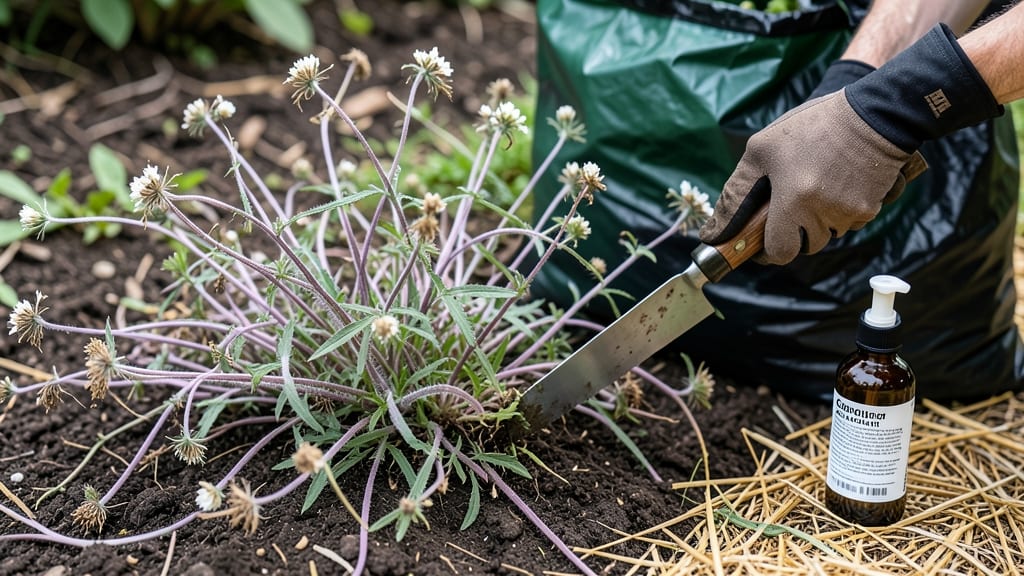
How to get rid of Galium aparine—aka cleavers—feels like tiny Velcro plants hijacking your garden. 🌱 I’ve wrestled with these clingy weeds for years, and the boil-pour barrier method finally gave me control without harsh chemicals. It’s not just about pulling; it’s about suffocating their regrowth before they take over.
The secret? Boiling water mixed with a little vinegar or dish soap—hot enough to kill roots instantly but gentle enough for your garden beds. Apply it directly to the base of the plants, and watch them wilt in hours.
This method works best in early spring or late summer when cleavers are actively growing, not dormant.
You’ll see results within 24 hours: no more sticky stems clinging to your clothes or smothering your vegetables. The best part? It prevents new growth for weeks, giving your garden a fighting chance. Just avoid pouring on desirable plants—this is a targeted strike.
For stubborn infestations, repeat every 2-3 weeks until the area stays clear. Pair this with mulching to keep new cleavers from sprouting, and you’ll reclaim your garden without chemicals. Let’s tackle this together—no more Velcro weeds!
Root Causes of Stubborn Weeds
Galium aparine—commonly known as cleavers or goosegrass—isn’t just an annoying nuisance; it’s a highly adaptive weed that thrives in specific conditions. Understanding why it invades your garden, lawn, or farm is the first step to permanently eliminating it.
Below, we break down the core reasons this weed spreads like wildfire, backed by science and real-world observations.
Cleavers are opportunistic survivors, meaning they exploit environments where other plants struggle. Here’s why they take over:
- Rich, Moist Soil: Galium aparine thrives in well-drained, nitrogen-rich soil—think compost-heavy garden beds or over-fertilized lawns. It competes aggressively with vegetables (like tomatoes and cucumbers) because these crops also love nutrient-dense soil. Pro tip: If your soil is too fertile, weeds like cleavers will outcompete your desired plants before they even sprout! 🌱➡️🚫
- Partial Shade Tolerance: Unlike sun-loving weeds (e.g., crabgrass), cleavers flourish in dappled shade or under tall crops. They latch onto sunflowers, corn, and even young fruit trees, climbing and smothering them. Why? Their hook-covered stems allow them to anchor to any vertical surface, giving them a height advantage over shallow-rooted plants. 🌿🔗
- Cool, Damp Climates: Cleavers peak in early spring and fall when temperatures hover between 50–75°F (10–24°C) and moisture is high. They wilt in extreme heat but rebound with rain, making them nearly impossible to eradicate in wet seasons. If your region has frequent showers, expect them to return yearly unless you act aggressively. ☔🌡️
Human habits—especially in farming and gardening—accelerate cleavers’ spread. Here’s how:
| Practice | Why It Helps Weeds | How to Fix It |
|---|---|---|
| Overwatering | Cleavers love excess moisture. Waterlogged soil = faster germination and growth. | Use drip irrigation or soaker hoses to target roots, not leaves. Let soil dry slightly between waterings. |
| Mulching Without Barriers | Organic mulch (e.g., straw, grass clippings) traps seeds and provides perfect germination conditions. | Use landscape fabric under mulch or opt for gravel/sand in high-weed areas. |
| Poor Soil Testing | If your soil is too fertile, weeds outgrow your crops. Cleavers exploit this imbalance. | Test soil pH and nutrients. Reduce nitrogen if levels are high; use balanced fertilizers. |
| Lazy Weed Removal | Pulling cleavers by hand spreads seeds via their barbed stems. Mowing chops them into more seeds. | Use the boil-pour method (covered in our solution) to kill roots and seeds on contact. |
Cleavers don’t just grow—they hitchhike. Their hook-covered seeds (called mericarps) latch onto:
- Animals: Dogs, cats, and even deer carry seeds on their fur, dropping them in pastures or yards. 🐕🐇
- Clothing & Tools: Gardeners unknowingly transport seeds on boots, gloves, or shovels to clean gardens. 👟➡️🌱
- Water & Wind: Seeds float in rainwater or drift on breezes, colonizing new areas within weeks. 💧🌬️
- Compost & Manure: "Green manure" or untreated compost can introduce dormant seeds, which then germinate when conditions are right. ♻️🚫
Key fact: A single cleaver plant can produce up to 1,000 seeds, which remain viable in soil for 5+ years. That means one missed plant could mean decades of regrowth if not treated properly. ⏳🔥
Next up: We’ll dive into science-backed solutions—including the boil-pour barrier method—to choke out cleavers for good without toxic chemicals. Stay tuned! 🔥
Effective Ways to Eliminate Galium Aparine
Now that you understand why Galium aparine—commonly known as cleavers or goosegrass—invades your garden, it’s time to tackle it head-on. The good news? With the right strategies, you can banish this clingy weed without resorting to harsh chemicals.
Below, we break down practical, actionable solutions tailored to the root causes of its spread, plus prevention tips to keep it from returning.
If your yard or garden is already overrun, physical removal is the fastest way to reclaim control. However, timing and technique are key—do it wrong, and you’ll just spread the problem.
🔥 Step 1: Pull When Soil Is Wet
- Why? Cleavers have tiny hooks that latch onto clothing, fur, and tools.
Wet soil makes the roots easier to extract without breaking (which triggers regrowth). - How? Grab the weed at the base (near the soil) and twist while pulling upward.
Avoid yanking—this can leave root fragments behind. - Pro Tip: 💡 Wear gloves (preferably rubber) and long sleeves/pants to avoid skin irritation from the plant’s fine hairs.
👨🍳 Step 2: Smother with Mulch or Boil-Pour Barrier
Cleavers thrive in disturbed, sunny soil. Starve them by blocking sunlight: - Mulch: Apply 3–4 inches of organic mulch (straw, wood chips, or cardboard) over the area.
This suffocates weeds while improving soil health. - Boil-Pour Barrier (DIY Hack): Boil a 5-gallon bucket of water, then pour it directly over the weed-infested area. The scalding water kills the plant on contact and prevents regrowth.
Repeat weekly for stubborn patches. - Pro Tip: 🌡️ For large areas, use a hose with a pressure nozzle to blast weeds away before mulching.
⏰ Step 3: Replant with Competitive Ground Covers
Cleavers struggle to compete with dense, healthy vegetation.
Plant fast-growing ground covers like: - Clover - Creeping thyme - Cucumbers or squash (they shade the soil) - Pro Tip: ✨ Companion planting with marigolds or nasturtiums deters weeds naturally by releasing allelopathic chemicals.
If manual methods feel tedious, eco-friendly herbicides can help. These won’t harm pets or beneficial insects when used correctly.
🍳 Vinegar-Based Spray (Best for Small Patches)
- Recipe: Mix 1 gallon of white vinegar (20% acetic acid), 1 oz. dish soap (as a surfactant), and 2 tbsp. salt.
- How to Apply: Spray directly on leaves (avoid desirable plants—vinegar kills everything it touches).
Reapply after rain. - Pro Tip: 🎯 Spot-treat on sunny days to maximize effectiveness.
🌿 Corn Gluten Meal (Preventative Barrier)
- Why? Corn gluten prevents weed seeds from germinating by disrupting their growth hormones.
- How to Use: Sprinkle 20 lbs. per 100 sq. ft. in early spring before weeds sprout.
Water lightly to activate. - Pro Tip: 💡 Reapply annually in fall for long-term prevention.
For large lawns or agricultural areas, combine tillage + solarization for maximum impact.
🔪 Tilling (Best for Lawns & Gardens)
- When? Early spring or fall (avoid summer heat, which can spread seeds).
- How? Till the soil to 1–2 inches deep to uproot cleavers. Remove debris immediately to prevent reseeding.
- Caution: ⚠️ Don’t over-till—this can aerate the soil too much, encouraging more weeds.
☀️ Solarization (For Severe Infestations)
- How? Cover the area with clear plastic sheeting for 4–6 weeks in hot weather.
The greenhouse effect cooks weeds and pathogens in the soil. - Best For: Vegetable beds or unused garden plots. - Pro Tip: 🌡️ Monitor soil temp—it should reach 104–113°F (40–45°C) for best results.
An ounce of prevention beats a pound of pulling. Implement these low-effort habits to stop cleavers before they start:
| Prevention Method | How to Do It | Best Time |
|---|---|---|
| Regular Mowing | Keep grass 3–4 inches tall to shade soil. | Weekly in growing season |
| Weed Barriers | Lay landscape fabric before planting. | Fall or spring |
| Compost Tea | Brew compost tea to boost soil microbes that outcompete weeds. | Every 2–3 months |
| Pet & Tool Hygiene | Rinse pets’ paws and clean tools after working in other gardens. | After every outing |
| Crop Rotation | Avoid planting same-family crops (like tomatoes) in the same spot yearly. | Annual garden planning |
- 🔥 For persistent patches, combine vinegar spray + mulching for a 1-2-3 punch.
- 🌡️ If cleavers return, check for compacted soil—aerate with a garden fork to improve drainage.
- 🚫 Avoid burning—cleavers release seeds when burned, worsening the problem.
By attacking cleavers at their weakest points (young plants, disturbed soil, and competition for sunlight), you’ll restore your garden in no time. Try one method this week and watch your space reclaim its balance!
Frequently asked questions about cleavers (Galium aparine)
Why do cleavers stick to everything?
Cleavers have tiny, barbed hairs called trichomes that hook onto clothing, pet fur, and even garden tools. This helps them spread by hitchhiking on anything that brushes against them. The stickier the plant, the more aggressive it is at colonizing new areas!
Is boiling water safe for my garden plants?
Only use boiling water on bare soil or weed patches—never near desirable plants. The heat kills everything it touches, including beneficial microbes. For targeted treatment, pour boiling water only at the base of cleavers and avoid overspray. A safer alternative is vinegar mixed with dish soap for spot treatment.
How long does it take to see results with the boil-pour method?
You’ll typically see wilting within 1-2 hours and complete death in 24-48 hours. For stubborn patches, repeat every 2-3 weeks until the area stays clear. The key is consistency—cleavers have deep roots that need multiple treatments to fully eradicate.
Can I use this method in my lawn?
Not safely for established lawns—boiling water will kill grass. For lawns, try spot-treating with vinegar (1 gallon white vinegar + 1 oz dish soap) or use a weed torch (if you have no flammable materials nearby). For large lawn areas, consider corn gluten meal as a preventative barrier.
What's the best time of year to tackle cleavers?
Early spring (when they're young) or late summer (before seed production) are ideal. Avoid treating during dormant months (winter) or peak heat (mid-summer)—they're harder to kill when stressed. The boil-pour method works best when plants are actively growing but before they set seed.