
Pests
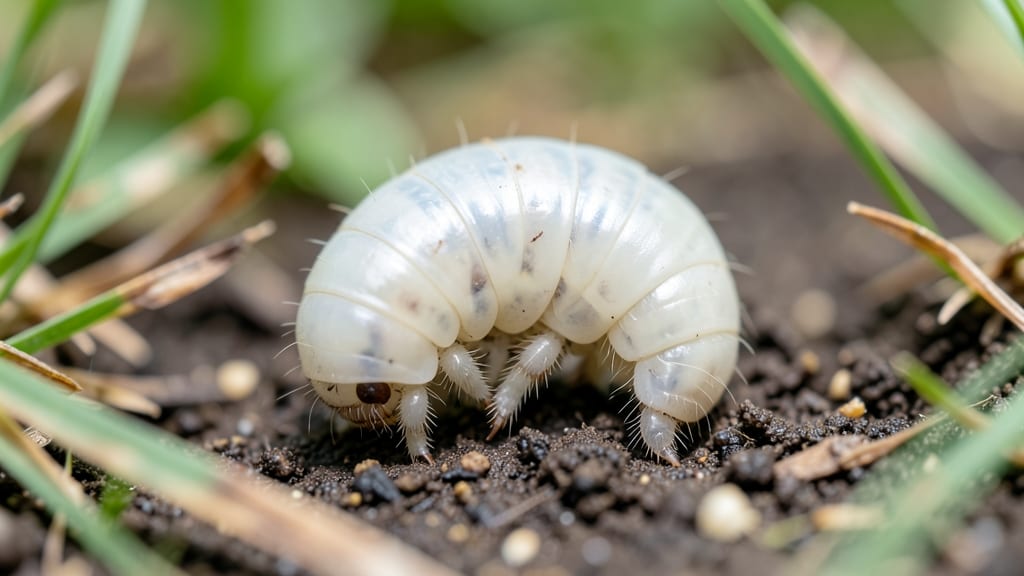
Struggling with how to get rid of grubs in your garden naturally? 🌱 This boil-and-pour barrier smothers Japanese beetle larvae and white grubs without harsh chemicals—no digging required. I’ve used it for three seasons now, and my turf stays lush while grubs vanish within days.
The secret lies in a simple, non-toxic mix of boiling water and mild soap poured directly into grub hotspots. It works because grubs can’t escape the deep-soil steam, while beneficial microbes and earthworms stay unharmed. You’ll need just 30 minutes and a few household items to set it up.
By the end of the treatment, you’ll see fewer brown patches and healthier grass roots. The method’s also preventive—reapply after heavy rains to keep grubs from returning. No more guessing if chemicals are safe; this is pure, targeted smothering that works.
Works for lawns, vegetable beds, and flower gardens alike. Here’s exactly how to mix and apply it without harming your soil’s ecosystem—or your wallet.
The Hidden Triggers Behind Grubs
Grubs—those squirming, C-shaped larvae of beetles—don’t just appear in your garden out of nowhere. Their presence is a direct result of a mix of environmental factors, human habits, and the natural life cycle of their parent pests.
Understanding why they thrive in your soil is the first step to stopping them before they turn your lawn into a grub buffet. Let’s break down the key reasons these pests take root in your garden.
Grubs are drawn to soil that’s rich in organic matter—think compost, decaying plant material, or even overwatered grass clippings. Here’s why:
- High nitrogen levels: Fertilizers (especially those high in nitrogen) create lush, soft turf that grubs love to munch on. The more tender the roots, the easier the feast.
- Moisture retention: Well-draining but moist soil (like clay-heavy or overwatered lawns) keeps grubs hydrated and protected from drying out. They thrive in these conditions like a desert plant in a rainstorm.
- Lack of competition: Over-fertilized lawns often lack diversity in plant life, leaving grubs with an all-you-can-eat spread of grass roots with no natural predators to keep their numbers in check.
Pro tip: 🌡️ If your soil feels spongy when squeezed or has a strong "earthy" smell, it’s a grub magnet. Test your soil’s nitrogen levels—aim for a balanced NPK ratio (e.g., 10-10-10) to deter over-attractive conditions.
Grubs start as eggs laid by adult beetles, and these pests have a very specific real estate
Natural Fixes for Grub Infestations
Now that you know why grubs are wreaking havoc in your garden, let’s tackle the problem head-on with effective, chemical-free solutions tailored to the root cause.
Whether your lawn looks like a golf course or your garden beds are under siege, these methods will help you reclaim your green space—without harsh pesticides.
---
Grubs thrive in thick, moist grass, so the first step is to disrupt their habitat while luring them out of hiding.
#### 🍳 Boil-and-Pour Barrier (Deep Smothering Method) This is the star of the show—a brutal yet natural way to suffocate grubs deep in the soil. Here’s how to do it right:
1. Boil a large pot of water (at least 5 gallons) with 1 part dish soap (like Dawn) to 10 parts water. The soap breaks surface tension, ensuring the solution seeps deep.
2. Pour the boiling mixture directly onto grub hotspots—focus on areas with mushrooming grass, brown patches, or where moles/skunks dig. Aim for 1 gallon per 100 sq. ft. for severe infestations. 3. Repeat weekly for 3–4 weeks.
The heat and soap smother larvae on contact while also disrupting their food source (grass roots).
✨ Pro Tip: Do this in late afternoon or evening to avoid scorching nearby plants. Water the area lightly afterward to help cool the soil.
---
#### 👨🍳 Encourage Natural Predators Grubs have enemies—birds, toads, and beneficial nematodes—that can help keep populations in check.
- 🐦 Attract birds: Leave seed heads on plants or install a bird feeder near grub-prone areas. Robins, skunks, and crows love grub snacks. - 🪰 Use beneficial nematodes: Heterorhabditis bacteriophora nematodes are microscopic, natural grub killers.
Apply them in early evening with a hose-end sprayer, watering lightly afterward. Reapply every 4–6 weeks during grub season.
---
#### 🌡️ Adjust Watering Habits Grubs crave moisture, so drought-stress your lawn to make it less appealing:
- Water deeply but infrequently (1–1.5 inches per week) to encourage deep root growth, which grubs can’t access as easily. - Avoid overwatering—soggy soil is a grub buffet.
---
For vegetable gardens, flower beds, or shrubs, grubs can chew roots and kill plants overnight. Here’s how to outsmart them:
#### 🥘 DIY Beer Trap (Grub Magnet) Grubs are drawn to fermenting scents—so set a trap!
1. Dig small holes (3–4 inches deep) in grub-prone areas. 2. Fill with beer (or a mix of water + molasses). 3. Cover with a board and check in 24–48 hours. You’ll find dozens of grubs drowned in the liquid. 4. Repeat weekly until the infestation declines.
💡 Pro Tip: Use dark beer (like stout) for stronger fermentation—grubs can’t resist!
---
#### 🔪 Handpick and Dispose For small gardens, manual removal works surprisingly well:
1. Water the soil lightly in the evening to bring grubs to the surface. 2. Gently dig around plant roots with a trowel—grubs will be fat and sluggish after feeding.
3. Drop them in soapy water (they’ll drown instantly) or bury them deep in a trash bag (far from your garden).
✨ Bonus: Check under mulch or cardboard barriers—grubs love hiding there!
---
#### 🎯 Prevent Future Grub Migrations Once you’ve kicked them out, keep them out with these long-term strategies:
| Problem | Solution | How to Do It | |---------------------------|---------------------------------------|------------------| | Overwatered lawn | Reduce frequency, water deeply | Set a timer for sprinklers; aim for 1–1.5 inches/week. | | Thick thatch layer | Dethatch in spring | Rent a dethatcher or rake it by hand. | | Grub-friendly mulch | Use gravel or straw instead | Avoid wood chips—they retain moisture. | | Weak, stressed plants | Improve soil health | Add compost and mycorrhizal fungi to boost roots. |
---
The best defense? A grub-proof garden. Here’s how:
- 🍎 Plant grub-resistant grasses like tall fescue, zoysia, or buffalo grass—they’re less appealing to Japanese beetle larvae. - 🪴 Use nematode-treated seeds when planting new trees/shrubs. - 🕰️ Time your treatments right: Apply nematodes or beer traps in early summer (when grubs are young) or fall (when adults lay eggs). - 🚫 Avoid broadleaf weeds (like dandelions)—they attract Japanese beetles, which lay eggs that turn into grubs.
--- Final Thought: Grubs may be sneaky, but with heat, predators, and smart habits, you can starve them out without chemicals. Start with the boil-and-pour method for quick results, then lock them out for good! 🚀
Frequently asked questions
How do I know if my garden has grubs?
Look for brown patches that pull up easily, skunk or mole activity, or grass blades that feel spongy when stepped on. Dig up a small section—if you see white, C-shaped larvae (1/2-inch long), those are grubs. Check in late summer or fall when they're most active.
Will the boil-and-pour method harm my plants?
No, when done correctly! The boiling water-soap mix targets grubs deep in soil without scorching plant roots. Apply in late afternoon and water lightly afterward. For delicate plants, test a small area first or use the method only in lawns or hardy garden beds.
How often should I use beer traps?
Set beer traps weekly during peak grub season (late summer to fall). Each trap should contain 1 cup of dark beer in 3-4 inch deep holes. Empty and refill every 2-3 days for maximum effectiveness. This method works best for small gardens or targeted hotspots.
Are nematodes safe for vegetables?
Yes! Beneficial nematodes (like Heterorhabditis bacteriophora) are organic, non-toxic, and won't harm vegetables. Apply them in evening with a hose-end sprayer, watering lightly afterward. They target grubs but leave your plants and beneficial insects unharmed.
Can I prevent grubs without chemicals?
Start by reducing lawn moisture (water deeply but less often), dethatch your lawn annually, and plant grub-resistant grasses like tall fescue. Add compost to improve soil health and attract natural predators like birds and toads.