How To
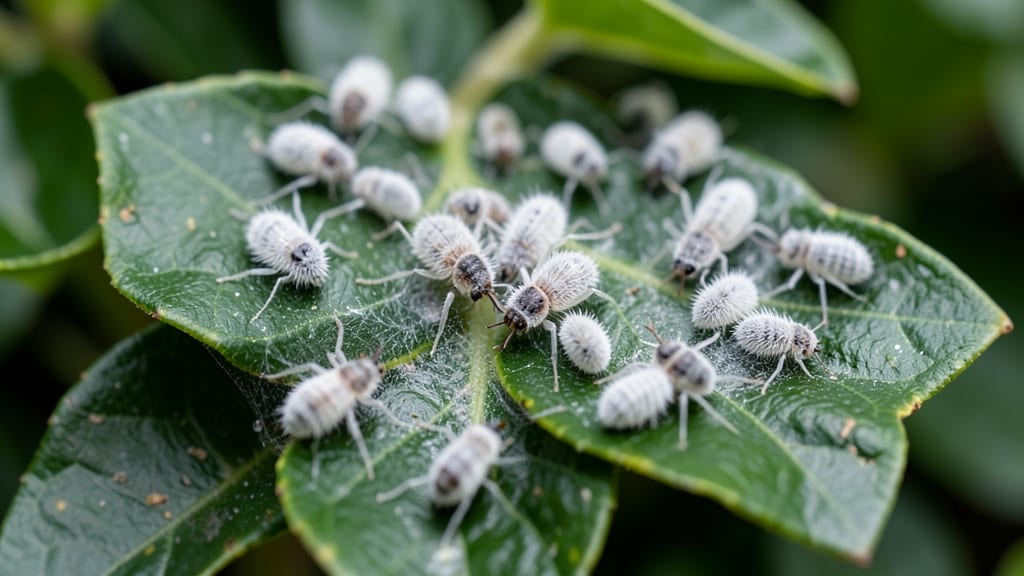
How to get rid of mealybugs on my English ivy—those sticky, sap-sucking pests—starts with a simple soap-spray solution that works better than most chemical sprays and is safer for your plant and pets. I’ve used this method to clear infestations in just 3-5 days without harming the foliage. These tiny white pests thrive in dry conditions, hiding under leaves where they suck sap. Over time, they weaken your ivy, making it look sad and stunted. The key to beating them is disrupting their waxy coating with a homemade spray that’s gentle but effective. With this approach, you’ll see mealybugs disappear within days, and your ivy will bounce back with fresh, vibrant growth. The spray is easy to make, requires no special tools, and keeps working even after the bugs are gone. Prevention is simple: check leaves regularly, especially in dry weather, and repeat the spray every 2-3 weeks during growing season. Your ivy will stay lush and pest-free all year.
Root Causes of Mealybug Invasion
Mealybugs don’t just appear out of nowhere—they’re drawn to your English ivy for specific reasons tied to plant health, environmental conditions, and even human habits. Understanding these triggers is the first step to stopping them before they take over.
Let’s break down the key factors that turn your ivy into a mealybug buffet. 🍽️🐜
Mealybugs thrive in warm, stagnant air—think of them as tropical pests with a sweet tooth for moisture. Your English ivy’s lush, tender leaves create the perfect microclimate for them to multiply. Here’s why:
- High humidity (60%+): Mealybugs struggle in dry air, but when humidity spikes—especially in greenhouses, bathrooms, or kitchens—they feel right at home. Their waxy coating helps retain moisture, making them resilient in damp spots.
- Poor air circulation: Stagnant air traps heat and moisture near the plant, creating a mealybug paradise. If your ivy is crowded or placed in a corner, airflow is restricted, accelerating infestations.
- Seasonal spikes: Summer and early fall are peak mealybug seasons because indoor temps rise, and plants grow faster, producing more sugary sap—a mealybug’s favorite snack.
Actionable insight: Aim for 40–50% humidity and use a fan to gently circulate air around your ivy. If you’re in a humid climate, consider a dehumidifier or pebble tray with dry sand to balance moisture.
Mealybugs are opportunistic pests—they target stressed or overfed plants because weak ivy produces more honeydew (a sticky, sugary byproduct of their feast). Here’s how it happens:
- Over-fertilization: Too much nitrogen or phosphorus makes your ivy grow too fast, but the roots can’t keep up. This imbalance leads to soft, vulnerable leaves that mealybugs adore.
- Underwatering or root rot: Both extremes stress the plant. Drought-stressed ivy produces concentrated sugars in its sap, while root-bound plants (from overwatering) can’t absorb nutrients efficiently, making them easy prey.
- Pests or diseases: If your ivy already has spider mites or fungus gnats, they damage the plant, creating entry points for mealybugs. It’s a domino effect of infestations.
Actionable insight: Feed your ivy balanced fertilizer (10-10-10 ratio) every 6–8 weeks and water only when the top 1–2 inches of soil are dry. If you suspect root rot, repot in fresh, well-draining soil.
Mealybugs are master stowaways, and your new English ivy (or nearby houseplants) might already be carrying them. Here’s how it spreads:
- Infested cuttings or soil: Even if the plant looks healthy, mealybugs hide in leaf axils, stems, or potting mix. A single egg or adult can start a full-blown colony in weeks.
- Contaminated tools or hands: Pruning shears, pots, or your fingers can transfer mealybugs from one plant to another. If you’ve recently shopped at a nursery or garden center, quarantine new plants for 2 weeks.
- Outdoor-to-indoor transfer: If your ivy spent time outside (even on a balcony), it could have picked up mealybugs from nearby trees or other plants.
Actionable insight: Always inspect new plants under a magnifying glass and isolate them for 2 weeks before introducing them to your collection. Wipe down tools with 70% isopropyl alcohol between uses.
In nature, mealybugs face predators like ladybugs, lacewings, and parasitic wasps. But indoors? Not so much. Your English ivy’s defense system is severely limited without help. Here’s why:
- No biodiversity: Indoor ecosystems lack the balance of outdoor gardens, where predators keep pests in check.
- Chemical overuse: Harsh pesticides kill both pests and their natural enemies, leaving mealybugs to thrive unchecked.
- Slow response time: By the time you spot mealybugs, they’ve likely already laid hundreds of eggs in hidden crevices.
Actionable insight: Introduce beneficial insects like Cryptolaemus montrouzieri (mealybug destroyer) or Aphidius colemani wasps. For organic control, spray neem oil (a natural deterrent) before an infestation takes hold.
💡 Pro Tip: Mealybugs love the undersides of leaves and leaf nodes—these are their hidden nurseries. If you’ve ruled out the causes above but still see them, flip your ivy’s leaves and check for tiny white cottony clusters. Early detection = easier eradication!
Treat and Prevent Mealybugs Fast
Now that you understand why mealybugs are crashing your English ivy party, let’s get them out of your plant’s life—for good. These pests are sneaky, but with the right tools and techniques, you can reclaim your ivy’s lush, bug-free glory.
Below, we’ve mapped out targeted solutions based on the root cause of your infestation, along with prevention tips to keep those cottony critters away.
Mealybugs thrive where plants are weak, so strengthen your ivy’s defenses while you tackle the bugs.
Fix It:
- 🌿 Trim the damage: Snip off heavily infested stems or leaves with clean, sharp scissors. Dispose of them in a sealed bag (not your compost!) to prevent reinfestation.
- 🚿 Quarantine your plant: Move your English ivy to a separate area—away from other houseplants—until the mealybugs are gone. These pests spread like wildfire!
- 💦 Boost hydration: Underwatered ivy is a mealybug magnet. Water thoroughly when the top 1–2 inches of soil feel dry, and use a tray to catch excess water (ivy hates soggy roots, but consistent moisture keeps it resilient).
- 🌡️ Optimize humidity: Mealybugs love dry air. Place a pebble tray with water near your ivy or use a humidifier to keep levels between 40–60%.
💡 Pro Tip: If your ivy is root-bound, repot it into a slightly larger container with fresh, well-draining soil. Crowded roots = stressed plant = bug buffet.
Skip the harsh pesticides—these natural remedies work just as well and won’t harm your ivy (or your pets/kids).
Fix It:
| Solution | How to Use | Frequency |
|---|---|---|
| 🧼 Soap Spray | Mix 1 tsp mild dish soap (like Dawn) + 1 quart warm water. Spray directly on mealybugs until soggy. Let sit for 10 mins, then rinse. | Every 3–5 days until gone. |
| 🍋 Vinegar Spray | Combine 1 part white vinegar + 1 part water + 1 tsp neem oil. Spray undersides of leaves (mealybugs hide there!). Avoid direct sun after spraying. | Weekly until infestation clears. |
| 🌿 Neem Oil Treatment | Mix 1 tbsp neem oil + 1 tsp mild soap + 1 quart water. Shake well and spray all surfaces (even soil). Neem disrupts their life cycle! | Every 5–7 days for 3 weeks. |
| 🍊 Citrus Peel Spray | Simmer citrus peels (orange/lemon) in water for 20 mins, strain, and spray. The limonene in citrus repels mealybugs naturally. | Every 2–3 days as a preventive. |
⚠️ Warning: Always test sprays on a small leaf first—some ivies are sensitive to oils or acids.
If the infestation is small but stubborn, grab a cotton swab dipped in rubbing alcohol (70% or higher) and dab each mealybug until they dissolve. Works like magic for hidden clusters!
🔪 For Heavy Infestations:
- 🪴 Prune aggressively: Cut back 1/3 of the plant if mealybugs are everywhere. Healthy new growth will outpace the pests.
- 🧼 Soap bath: Wrap your ivy in a plastic bag with a soapy water spray inside for 24 hours. The bugs suffocate (and you avoid chemical residue).
Once your ivy is mealybug-free, lock in those gains with these habits:
- 🌱 Inspect new plants: Quarantine any new houseplants for 2–4 weeks before introducing them to your ivy. - 🕷️ Encourage predators: Ladybugs, lacewings, and parasitic wasps (yes, they’re helpful!) eat mealybugs.
Attract them with native plants or buy them online. - 🧼 Clean regularly: Wipe leaves with a damp microfiber cloth monthly to remove sticky honeydew (mealybug poop) and early signs of pests. - 🌿 Rotate your ivy: Give it a few spins every few weeks so all sides get light.
Mealybugs love shady, dusty spots! - 🌡️ Monitor humidity: Use a hygrometer to keep levels consistent—mealybugs hate stable, slightly humid conditions.
✨ Final Thought: Mealybugs are annoying but beatable. Stay vigilant, act fast, and your English ivy will bounce back stronger than ever—without a single cottony hitchhiker in sight!
Frequently asked questions
Why do mealybugs keep coming back after I treat my English ivy?
Mealybugs often return because their eggs hide in protected areas like leaf axils or stems. After treatment, inspect your ivy thoroughly—especially undersides of leaves—and repeat sprays every 3-5 days for 2 weeks to catch any survivors. Also check nearby plants, as these pests spread quickly.
Can I use Dawn dish soap on my English ivy without harming it?
Yes, but use it sparingly—mix just 1 teaspoon per quart of water. Test on a small leaf first, as some ivies are sensitive. Rinse off after 10 minutes to prevent leaf burn. Dawn’s mild formula works well but can dry out leaves if left too long.
What’s the fastest way to kill mealybugs on my ivy?
For immediate results, use 70% rubbing alcohol on a cotton swab. Dab each mealybug directly—they dissolve instantly. For larger infestations, combine a soapy water spray (1 tsp soap per quart) with a 24-hour plastic bag treatment to suffocate them.
Will mealybugs spread to my other houseplants?
These pests hitchhike easily on tools, hands, or air currents. Isolate your English ivy immediately and quarantine any new plants for 2 weeks. Wipe down pots and tools with 70% alcohol after each use to prevent cross-contamination.
How do I know if my ivy is recovering from mealybug damage?
Watch for new growth at the stem tips and healthier green leaves. If you see fewer sticky residues (honeydew) and no more cottony clusters, your ivy is healing. Keep monitoring for 4-6 weeks—mealybugs can linger in hidden spots even after they disappear.