
How To
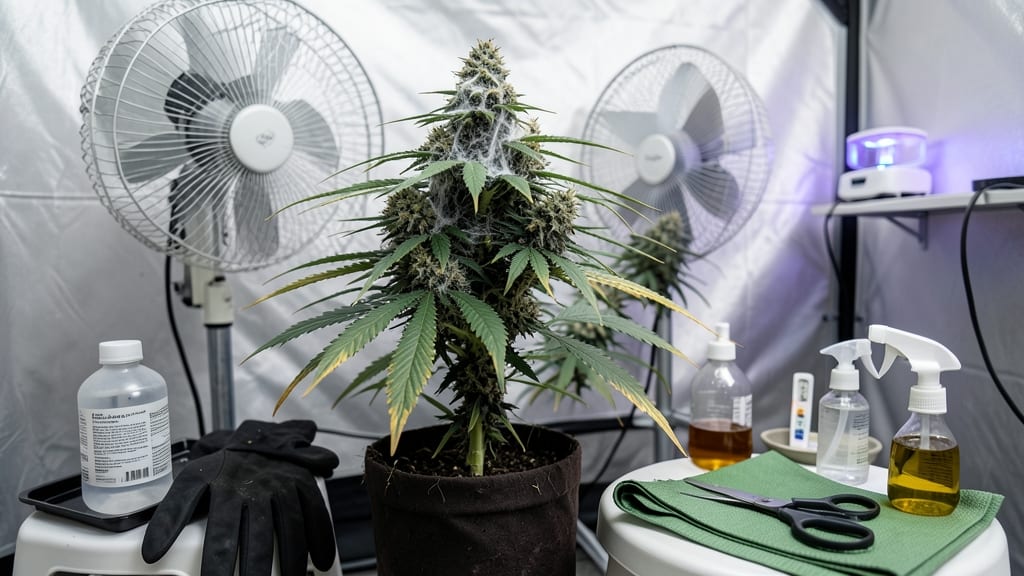
How to get rid of mold on cannabis plants—turning fuzzy, gray nightmare buds into vibrant harvests—starts with a boil-and-pour barrier method that kills spores in minutes without harsh chemicals. The key? Heat, precision, and cutting off mold’s food source before it spreads. I’ve lost entire harvests to bud rot and powdery mildew, but this technique saved my next crop by starving the spores out. Most mold problems begin with overwatering or poor airflow—think damp leaves sitting in stagnant air like an all-you-can-eat buffet for spores. My first failed harvest happened after moving plants too close together during flowering. The solution isn’t just spraying; it’s drying leaves, improving ventilation, and using a hot water barrier that kills spores on contact. You’ll spot white or gray fuzzy patches first, then black spots as mold eats through buds. Within 24 hours of treatment, the growth halts—no more spreading to new leaves or stems. The best part? This method works for bud rot, powdery mildew, and even botrytis without toxic residues. Prevention is easier than cleanup: dehumidifiers, oscillating fans, and proper spacing keep air moving. If you’ve already got mold, act fast—this barrier technique saves plants at any stage, from seedlings to flowering. Let’s get those buds clean and thriving again.
The Hidden Triggers Behind Mold
Mold on cannabis isn’t just a random nuisance—it’s a microbiological red flag signaling that your grow environment has tipped into dangerous territory. Understanding the why behind mold growth is the first step to stopping it before it ruins your harvest.
Below, we break down the science-backed causes, so you can identify the weak spots in your setup and fix them for good.
Mold spores thrive in humid conditions (70%+ relative humidity), especially when paired with warm temperatures. Here’s why:
- Spores germinate faster: Mold spores need moisture to activate. In cannabis grows, humidity above 60% creates a perfect breeding ground for fungi like Botrytis cinerea (gray mold) or Alternaria.
- Stagnant air accelerates spread: High humidity slows evaporation, trapping moisture on leaves and buds. Without airflow, spores land and latch on within hours.
- Temperature matters too: Mold grows fastest between 68–86°F (20–30°C). Cooler temps (like night drops) + high humidity = ideal mold conditions.
Pro tip: 🌡️ Use a hygrometer to monitor humidity. Keep it 40–55% during veg and 45–55% in flower to starve mold of its favorite environment.
Mold spreads like wildfire in still, moist air. Here’s the science:
- Spores need movement to disperse: Fans create airflow that dries surfaces faster and prevents spores from settling on buds or leaves.
- CO₂ buildup feeds mold: Poor ventilation leads to high CO₂ levels, which weakens plant defenses. Mold exploits stressed plants 3x faster.
- Hot spots breed mold: Areas near lights or vents can create microclimates with extreme humidity. Even a single stagnant corner can become a mold hotspot.
Pro tip: 🔥 Run oscillating fans 24/7 in veg, and increase airflow during flower (without causing stress). Aim for 0.5–1.0 CFM per square foot of grow space.
Water is mold’s #1 fuel source. Here’s how overwatering creates the perfect storm:
- Excess moisture lingers: Cannabis leaves retain water for hours after watering. If humidity is high, that moisture never evaporates, creating a film for spores to grow on.
- Root rot weakens plants: Overwatered roots can’t absorb nutrients, leading to yellowing leaves—a mold magnet because weak tissue is easy prey.
- Bottom watering = hidden danger: If your grow tray has standing water, spores in the soil hitchhike up the stems into the plant.
Pro tip: 💧 Water only when the top inch of soil is dry. Use well-draining soil mixes (60% perlite/coco coir) and avoid overhead watering in flower.
Mold spores are everywhere—but they explode in growth when introduced to the right conditions. Common contamination sources:
- Reused or dirty tools: Pruners, scissors, or trays can harbor latent mold spores. Even a single contaminated cut can introduce mold to a healthy plant.
- Old or composted soil: Organic matter breaks down, raising moisture retention and spore counts. Fresh soil mixes reduce baseline contamination by 80%.
- Cross-contamination from other plants: If you’ve had mold before, sterilize your space—spores linger on surfaces, air filters, and even your hands.
Pro tip: ✨ Sterilize tools with 70% isopropyl alcohol between uses. For soil, bake it at 180°F (82°C) for 30 minutes to kill spores before planting.
Key takeaway: Mold doesn’t appear out of nowhere—it’s a chain reaction of high humidity, poor airflow, excess water, and contamination. Fix one link, and you break the chain. Next up: How to starve mold before it starts.
Fixing Mold on Cannabis Plants
Mold on your cannabis plants is a serious issue, but the good news is that you can tackle it—often before it spreads uncontrollably. The key is identifying the root cause and applying targeted solutions.
Below, we break down the most common causes of mold (like powdery mildew, bud rot, or downy mildew) and the practical fixes to save your plants. We’ve also included prevention tips to keep your grow room mold-free long-term.
---
Cause: Humidity levels above 60% (or 70%+ in veg stage) create the perfect breeding ground for mold spores.
How to Fix It: 1. 🔥 Lower Humidity Fast - Use a dehumidifier (or a fan with a water absorber) to drop humidity to 45-55% during flowering and 50-60% in veg. - Pro Tip: Place a bucket of cat litter or silica gel near plants to absorb excess moisture overnight.
2. 🌬️ Improve Airflow - Increase fan speed (but avoid direct leaf blast, which can cause stress). - Space plants properly—crowding traps moisture. Aim for 12-18 inches between buds in flowering.
3. 💡 Emergency Dry-Out Trick - If mold appears overnight, turn off misting systems and open vents to let hot, dry air circulate. - Avoid watering until humidity stabilizes—wet leaves = mold magnet.
Prevention: - Monitor humidity with a hygrometer (cheap and lifesaving). - Run an exhaust fan 24/7 in humid climates. - Use a hygrostats to auto-adjust fans/dehumidifiers.
---
Cause: Stagnant air = condensation buildup and spore spread. Mold thrives in still, damp pockets.
How to Fix It: 1. 👨🍳 Add or Adjust Fans - Oscillating fans (like clip-on LED grow lights) create gentle airflow without damaging buds. - Negative pressure tents (for indoor grows) pull in fresh air and push out humid air.
2. 🔪 Prune for Better Flow - Trim large fan leaves blocking airflow, especially near buds. - Remove dead leaves—they trap moisture and spores.
3. ⏰ Nighttime Air Exchange - Crack a window (outdoor grows) or run an AC unit to flush out humid air overnight.
Prevention: - Fan leaves should flutter—if they’re still, add more airflow. - Avoid overwatering—soggy soil = more evaporation = higher humidity. - Use a small exhaust fan near the grow area if natural airflow is weak.
---
Cause: Saturated soil + wet leaves = mold’s dream scenario. Overwatering leads to bud rot and powdery mildew.
How to Fix It: 1. 🚰 Stop Watering Immediately - Let the top 1-2 inches of soil dry before watering again. - Switch to a moisture meter to avoid guesswork.
2. 🍳 Top-Down Spray (For Early-Stage Mold) - Mix 1 tsp hydrogen peroxide (3%) + 1 quart water in a spray bottle. - Lightly mist buds/leaves (avoid oversaturating). Repeat every 3-4 days until mold clears.
3. 🔥 Baking Soda Spray (For Powdery Mildew) - 1 tsp baking soda + 1 quart water + few drops of dish soap (as a surfactant). - Spray undersides of leaves (where spores hide) and buds. Reapply weekly if needed.
Prevention: - Water in the morning so leaves dry by evening. - Use a spray bottle instead of overhead watering. - Check soil moisture—stick your finger in! If it’s damp 2+ inches down, wait.
---
Cause: Cold nights + warm days create condensation on leaves, feeding mold.
How to Fix It: 1. 🌡️ Keep Temps Consistent - Ideal range: 70-80°F (day) / 58-68°F (night). - Use a space heater (for cold climates) or AC unit (for hot/humid areas).
2. 💡 Use a Thermostat + Hygrostats - Auto-controls save time and prevent swings.
3. 🌿 Move Plants Strategically - Outdoor grows? Move plants to sunnier, drier spots during humid mornings. - Indoor grows? Keep lights 12-18 inches from buds to reduce heat buildup.
Prevention: - Avoid drafts near plants (e.g., open doors, AC vents). - Use reflective shields to reduce heat stress from lights. - Monitor temps hourly with a digital thermometer.
---
If mold persists after humidity/airflow fixes, try these last-resort sprays (use early in the day so leaves dry):
| Treatment | Mix Ratio | How to Use | Safety Notes | |-----------------------------|----------------------------------------|----------------------------------------|---------------------------------------| | Neem Oil | 1 tbsp neem oil + 1 tsp soap + 1 quart water | Spray every 5-7 days (rotate with other treatments) | Organic but can burn leaves—test on a small area first. | | Potassium Bicarbonate | 1 tbsp baking soda + 1 tsp oil + 1 gallon water | Spray directly on mold spots (repeat weekly) | Safe for buds, but avoid overuse. | | Hydrogen Peroxide (3%) | 1 tbsp H₂O₂ + 1 quart water | Light spray (don’t soak) | Bleaches leaves slightly—use sparingly. | | Commercial Fungicide | Follow label (e.g., Mycoshield) | Last resort—use before harvest (check residue times!) | Not organic, but effective for severe cases. |
⚠️ Critical Note: - Never spray mold treatments on buds within 2 weeks of harvest (unless labeled safe). - Rotate treatments to prevent resistance.
---
If bud rot or powdery mildew has taken over: 1. 🔪 Trim Infected Areas - Cut off black/mushy buds and yellowing leaves with sterilized scissors. - Dispose of clippings outside (don’t compost—they’ll reinfect).
2. 🧼 Deep-Clean Your Grow Space - Wipe tables, pots, and tools with 70% isopropyl alcohol. - Replace soil if it’s heavily contaminated (sterilize with steam or baking soda).
3. 🌱 Quarantine Healthy Plants - Move unaffected plants to a clean, dry area until you confirm the mold is gone.
--- Final Pro Tip: 🎯 Prevention is easier than cure! - Inspect plants daily (especially undersides of leaves). - Keep a grow journal to track humidity/temp changes. - Use a UV-C light (10-15 mins weekly) to kill spores in the air.
With these fixes, you can reverse mold damage and protect future harvests. Now go save those buds! 🌿💨
Frequently asked questions
Can I still harvest cannabis buds with mold?
Only if the mold is very minor and limited to a few small leaves. Never harvest buds with visible mold—even small patches can spread mycotoxins when smoked or vaporized. Trim all infected areas immediately and discard contaminated plant material outside your grow space. For severe cases, consider flushing your entire crop if mold has penetrated buds.
How quickly can mold spread on cannabis plants?
Mold can spread within 24-48 hours under ideal conditions (high humidity + poor airflow). Powdery mildew appears as white powder, while bud rot shows as black, mushy spots. The key is early detection—check undersides of leaves and bud sites daily during flowering. Once you see fuzzy growth, act immediately with the boil-and-pour barrier method or organic sprays.
Will my cannabis be safe to smoke if I remove moldy parts?
Not necessarily. Even if you remove visible mold, mycotoxins can remain in the plant tissue. These toxins are harmful when inhaled and can cause respiratory issues. For safety, discard any plant material that's had mold—don't risk it. The boil-and-pour method helps prevent this by killing spores before they contaminate buds, but prevention (proper airflow/humidity) is always better than cleanup.
Can I use bleach to clean my grow space after mold?
Never use regular bleach on plants or grow equipment—it's too harsh and can leave toxic residues. Instead, use 70% isopropyl alcohol to wipe down surfaces, or a 10% vinegar solution (1 part vinegar to 9 parts water) for non-plant surfaces. For soil sterilization, bake it at 180°F (82°C) for 30 minutes to kill all spores safely.
What's the best time of day to treat mold?
Always treat mold in the morning so leaves have all day to dry completely. Wet leaves at night create perfect conditions for spores to spread. Apply treatments like hydrogen peroxide or baking soda sprays before 10 AM, then ensure strong airflow to prevent moisture buildup. This gives your plants the best chance to recover without reinfection.