
Pests
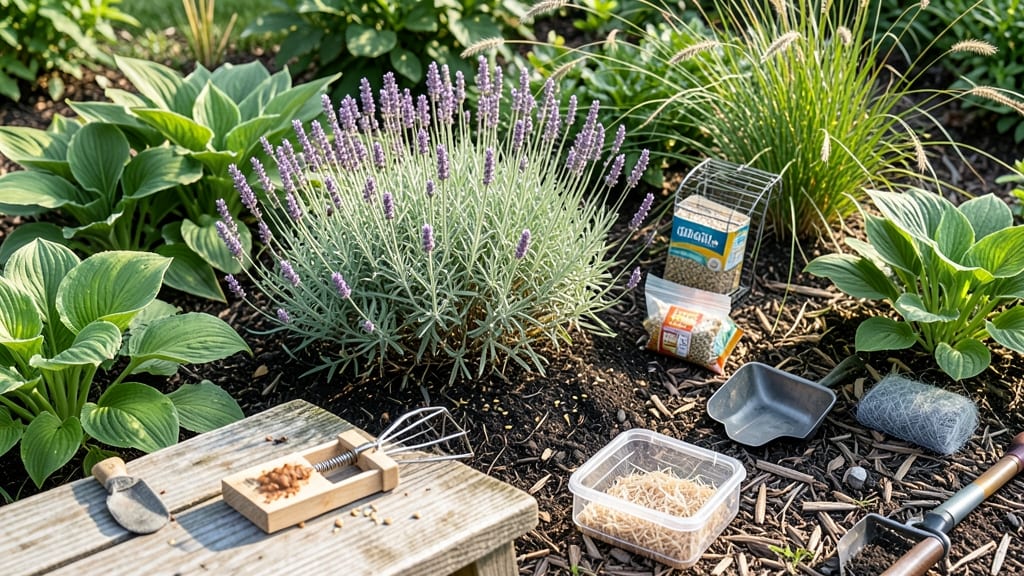
How to get rid of a mouse in your garden before it ruins harvests is all about prevention and humane deterrents—no poison, no traps with cruel mechanisms, just smart, effective solutions that actually work.**
The problem starts with shelter: piles of leaves, wood stacks, or unsealed compost bins turn your yard into a mouse hotel. Once they’re nesting, they’ll chew through roots, gnaw on young seedlings, and contaminate soil with droppings. The key is cutting off their access before they get comfortable.
You’ll see results within a week if you seal entry points, use peppermint oil repellents along borders, and set up live-release traps near their active paths. The mice vanish, and your plants grow without damage—no more half-eaten carrots or chewed stems.
Works for vegetable gardens, flower beds, and even patio areas where mice hide. The secret is persistence: check traps daily, refresh repellents every few days, and keep your yard tidy. No more sneaky nighttime visitors ruining your hard work.
Hidden Attractants Luring Mice
Mice don’t just wander into your garden by accident—they’re drawn by a mix of food, shelter, and environmental cues that make your yard feel like an all-you-can-eat buffet.
Understanding these triggers is the first step to outsmarting them. Let’s break down the science behind why your garden becomes a mouse magnet.
---
Mice are omnivores with tiny stomachs, meaning they need to eat 10–15% of their body weight daily—about half an ounce of food per night. If your garden offers easy access to their favorite snacks, they’ll move in permanently.
- Fallen Fruit & Veggies Overripe tomatoes, dropped apples, or uneaten produce left on the ground create high-protein, high-carb feasts.
Mice also love citrus peels, corn cobs, and even pet food left outdoors. 🍎🍅 Pro Tip: 💡 Rake up debris daily in high-traffic areas—mice cache food in hidden nests, so even small scraps can sustain them for weeks.
- Birdseed & Pet Food Bird feeders and pet bowls are open buffets. A single tablespoon of birdseed can attract dozens of mice in a week.
Even sealed bags of pet food left outside can be gnawed through—mice have teeth that never stop growing and can chew through thin plastic. 🐦🐶 Science Note: Mice prefer high-fat seeds (sunflower, safflower) and will steal from feeders at night, leaving tiny droppings as calling cards.
- Compost Piles & Mulch Decaying organic matter isn’t just food—it’s a moist, sheltered ecosystem.
Mice dig through compost to find earthworms, grubs, and rotting plant matter, which provide protein and hydration. 🐛🌱 Warning: 🔥 Avoid using grass clippings or meat scraps in compost piles—they accelerate decomposition and supercharge mouse activity.
---
Mice seek dark, warm, and dry spaces to nest, especially during cold or wet weather. Your garden likely offers more hiding spots than you realize:
- Piles of Wood, Rocks, or Debris Stacked firewood, leaf litter, or overgrown shrubs create perfect nesting material.
Mice shred dry leaves, paper, and even insulation to line their nests—one nest can house 12+ mice in peak breeding season. 🏚️🍃 Action Step: ✨ Store firewood at least 20 feet from your home and elevate it off the ground on a metal rack.
- Gaps in Structures Mice can squeeze through holes as small as a pencil’s diameter (0.25 inches).
Check for entry points in: - Outdoor sheds, garages, or toolboxes (they chew through foam insulation). - Under decks or porches (they nest in mulch or soil voids). - Vents or gaps in fences (they use these as highways to travel undetected). Science Fact: Mice have flexible spines and collapsible ribs, allowing them to twist and contort into tight spaces. 🦴🌀
- Thick Vegetation & Dense Plantings Tall grasses, ivy, or untrimmed bushes provide cover for daytime hiding and easy access to food sources.
Mice also cache food in underground burrows near plant roots. 🌿🐭 Pro Tip: 🌡️ Keep grass mowed short (3 inches or less) and trim bushes away from the house—this removes their escape routes and nesting material.
---
Mice are highly sensitive to temperature and moisture, and your garden’s microclimate might be unintentionally inviting:
- Cold Weather (Fall/Winter) As temperatures drop, mice seek warmth and shelter indoors or in insulated garden structures.
They double their nesting efforts in October–December, leading to explosive population growth by spring. ❄️🐭 Stat Alert: 📊 A single female mouse can produce 5–14 babies every 3 weeks—by spring, one pair could mean hundreds of mice in your yard.
- Rain & High Humidity Wet conditions destroy their nests and reduce food availability, forcing them to seek drier, more stable environments—like your shed, garage, or under deck.
They also follow drainage paths (like gutters or downspouts) to find dry hiding spots. 🌧️🏡 Prevention Tip: 🎯 Install gutter guards and redirect downspouts away from foundation walls to eliminate their moisture highways.
- Spring & Summer Food Surges During spring planting, mice feast on sprouting seeds, bulbs, and young plants.
They dig shallow tunnels to access roots and tubers, while summer crops (like corn and squash) provide easy, high-calorie meals. 🌱🌽 Garden Threat: 🔪 Mice gnaw through irrigation lines, flooding their burrows and creating muddy, attractive nesting sites.
--- Mice communicate through scent, sound, and markings, and your garden might be broadcasting an open invitation:
- Urine & Scent Marking Mice urinate frequently to mark territory—one drop can cover 30+ square feet.
If you spot yellow stains on leaves or mulch, it’s a mouse buffet sign. 🚨💦 Smell Test: 👃 A musty, ammonia-like odor near plantings or structures = active mouse traffic.
- Gnaw Marks & Droppings - Teeth marks on wood, wires, or plants (look for clean, ¼-inch notches). - Rodent droppings (small, rice-sized, dark pellets) near food sources or entry points. - Greasy rub marks (from their oily fur) on walls, fences, or pipes. Inspection Tip: 🔍 Check along fence lines, under decks, and near compost piles—these are hotspots for mouse activity.
--- Even well-meaning gardening practices can unintentionally attract mice:
- Overwatering Lawns & Gardens Excess moisture softens soil, making it easier for mice to dig burrows. They also drink from standing water (like clogged gutters or saucers under pots). 💦🐭 Fix: ⏰ Water early in the morning (before dusk) to reduce evening mouse activity.
- Leaving Garden Tools & Equipment Out Mice nest in old gloves, burlap sacks, and even plastic pots. They chew through rubber handles and insulation on tools for warmth. 🔨🏠 Storage Hack: 💡 Keep tools in metal sheds or sealed containers—mice can’t chew through metal.
- Planting Mouse-Favorite Crops Some plants actively attract mice because they provide food, shelter, or nesting material: - Corn (they eat kernels and nest in stalks). - Squash & Pumpkins (they chew through vines and hide in hollowed-out gourds). - Sunflowers (they dig under plants for roots and seeds). Alternative: 🌿 Plant mouse-repellent herbs like peppermint, rosemary, or garlic near vulnerable crops.
--- Mice are prolific breeders, and one pair can lead to an infestation in months. Here’s how it happens:
1. Spring (Breeding Season) – Females **gestate in 3
Outsmart Mice With These Proven Fixes
Mice in your garden aren’t just a nuisance—they can damage plants, contaminate soil, and even nest in your home’s foundation. The good news? You don’t need toxic baits or complicated setups to evict them.
Below are targeted solutions based on why mice invade gardens, paired with prevention tips to keep them out for good.
---
Mice seek cozy, hidden spaces—especially under debris, dense mulch, or overgrown shrubs. They’ll chew through soft materials like cardboard, fabric, or even young plant stems to build nests.
How to Fix It: - 🔥 Clear Clutter & Debris Rake leaves, remove piles of wood, and store firewood at least 20 feet away from your home. Mice use these as highways into your yard. - Pro Tip: 💡 Use metal trash cans with tight lids instead of plastic bins—they can’t chew through them!
- 🍳 Block Entry Points Seal gaps in fences, sheds, or garden beds with steel wool + caulk or hardware cloth (¼-inch mesh). Mice can squeeze through holes the size of a dime! - For plants: Wrap young trees or shrubs with metal tree guards to protect bark from gnawing.
- 👨🍳 Disrupt Nesting Materials Avoid thick mulch near foundations. Opt for gravel or landscape fabric instead—mice hate rough textures. - Bonus: Plant mice-repellent herbs like mint, rosemary, or lavender near entry points (they dislike the scent).
---
Mice are omnivores—they’ll munch on seeds, fruits, veggies, and even pet food left outdoors. A single kernel of corn or a dropped apple can lure them in.
How to Fix It: - 🥘 Secure Harvests & Storage - 🔪 Harvest crops promptly (especially tomatoes, peas, and corn). Leave fallen fruit/veggies for wildlife only if it’s far from your home. - Store pet food, birdseed, and compost bins in metal containers with locking lids. - Pro Tip: 🌡️ Freeze or vacuum-seal fallen produce—mice can’t access it!
- 🎯 Use Natural Deterrents - Spray peppermint oil (10 drops per gallon of water) around garden edges. Reapply after rain. - Scatter crushed red pepper flakes near problem areas—mice avoid the capsaicin. - Caution: Avoid rodenticides—they can poison pets or contaminate soil.
- ⏰ Set Up Smart Traps - Live traps (like the Victor® Mouse Trap) work best when placed along walls or fences, baited with peanut butter or dried fruit. - Release mice at least 5 miles away—never near forests or other gardens. - Alternative: Electronic traps (e.g., Victor® Electronic Mouse Trap) are bait-free and humane.
---
If mice are entering from your house, they’ll use your garden as a buffer zone to avoid predators. Check for gaps in siding, vents, or utility lines.
How to Fix It: - 🔪 Seal the Perimeter - Inspect your home’s exterior for cracks in brick, gaps in vents, or holes around pipes. Stuff gaps with steel wool (mice can’t chew through it) and seal with caulk. - Install door sweeps on garage and shed doors.
- 🌟 Create a Mouse-Free Buffer Zone - Plant thorny bushes (like barberry or holly) near foundations—mice avoid prickly barriers. - Lay diatomaceous earth (DE) in a thin line around the house’s perimeter (food-grade only!). It dehydrates them on contact. - Warning: DE loses potency when wet—reapply after rain.
- 🎯 Use Ultrasonic Repellents (With Caution) - Outdoor ultrasonic devices (like the Neatmaster Ultrasonic Repeller) emit high-frequency sounds mice dislike. Place units 10–15 feet apart for coverage. - Note: Results vary—some mice adapt over time.
---
Once you’ve evicted them, keep them out with these habits: - 🌱 Maintain Your Garden - Keep grass short and shrubs trimmed—mice hide in tall grass. - Rotate crops to avoid leaving seed debris in soil. - 🚫 Remove Water Sources Mice need hydration.
Fix leaky hoses, clean out birdbaths weekly, and avoid standing water in saucers. - 🐶 Encourage Natural Predators - Attract owls, snakes, or cats (even outdoor cats help!).
Install a birdhouse or owl perch near problem areas. - ✨ Monthly Inspections - Check for new droppings, gnaw marks, or nests every 4–6 weeks. Act fast—females can birth 5–14 babies every 3 weeks!
--- Final Reminder: Mice are persistent, but consistency is your best tool. Combine exclusion (sealing entry points), deterrents (natural repellents), and traps (humane removal) for the fastest results. With these steps, your garden will stay mouse-free—and your plants, safe!
Frequently asked questions
What are the first signs I should look for to confirm mice in my garden?
Check for rice-sized droppings near plantings, chewed plant stems (especially at soil level), or greasy rub marks along fence lines. Listen for scratching sounds at night—mice are most active after dusk. Also watch for uneven soil mounds (their burrow entrances).
Can I use peppermint oil safely around vegetables and herbs?
Yes, but dilute it properly! Mix 10-15 drops of peppermint oil per gallon of water and spray along garden borders (avoid direct contact with edible plants). Reapply every 3-5 days or after rain. For extra protection, plant peppermint or lavender near vulnerable areas—the scent repels mice naturally.
How long does it take to see results with live traps?
With consistent checking, you’ll typically catch 1-3 mice within 3-5 days if placed correctly. Set traps along walls or fence lines (their travel routes) and check daily at dawn/dusk. Release captured mice at least 5 miles away from your property. For severe infestations, combine traps with sealing entry points for faster results.
Will cats really keep mice away from my garden?
Outdoor cats can help, but they’re not foolproof. A single cat may reduce mouse activity by 30-50%, but mice will still hide during daylight. For better protection, combine cats with physical barriers (hardware cloth) and natural repellents**. Remember—even outdoor cats need supervision to prevent hunting other wildlife.
What's the best time of year to implement mouse prevention?
Start in early spring (March-April) before breeding season peaks, but take action anytime you spot signs. Focus on fall (September-October) too—mice seek shelter as temperatures drop. Year-round maintenance (like sealing gaps and removing debris) is key, but these seasons are critical for breaking their nesting cycles.