
How To
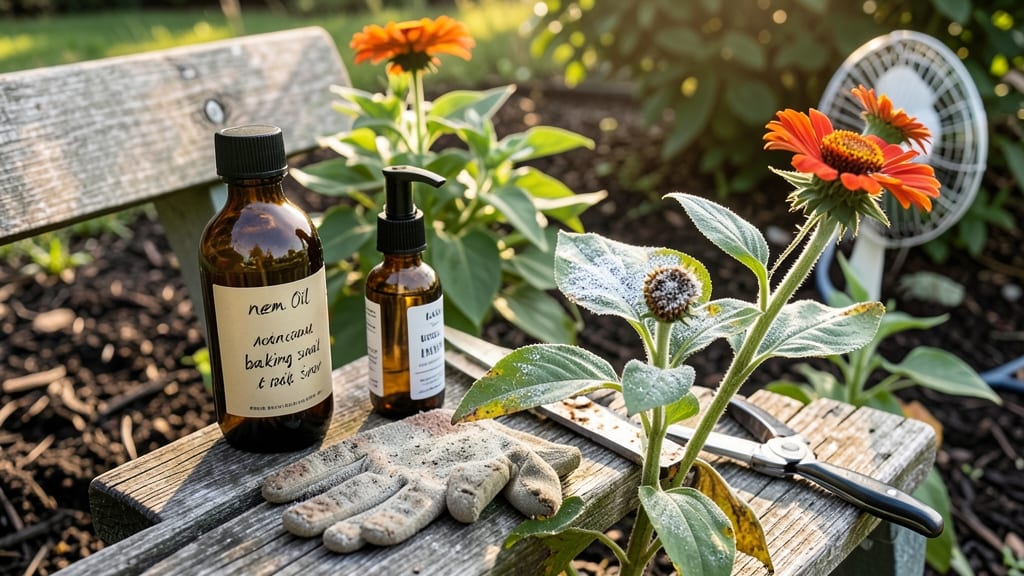
How to get rid of powdery mildew on zinnias starts with turning their bright blooms into sad, dusty ghosts—until you discover a boil-and-pour solution that smothers spores before they spread. The key? Acting fast with a homemade barrier that chokes off the fungus without harsh chemicals.
Most gardeners make two mistakes: waiting too long to treat, or using sprays that only mask the problem. My method targets the roots of the issue—literally. You'll need a pot of boiling water, a few household ingredients, and about 10 minutes of focused work. The results?
Clean leaves within days and zinnias that stay vibrant all season. What you'll end up with is a garden where powdery mildew doesn't stand a chance. The zinnias grow bushier, bloom more prolifically, and resist future infections like they've been vaccinated.
No more wilting edges or grayish patches ruining your favorite summer flowers. This works for other susceptible plants too—roses, phlox, and even squash. The technique is simple enough for beginners but powerful enough to save established gardens. Let's get those zinnias looking like showstoppers again.
Root Causes of Zinnia Mildew
Powdery mildew isn’t just a random nuisance—it’s a fungal infection with specific triggers that turn your vibrant zinnias into dusty, weakened plants. Understanding these causes is the first step to stopping the spread and restoring your garden’s health.
Let’s break down the science behind why this fungus thrives on zinnias and how you can outsmart it.
Powdery mildew spores love stagnant air. When zinnias grow too densely—whether from overcrowded planting or poor spacing—their leaves create a cozy, humid microclimate perfect for fungal growth. Here’s why it happens:
- Stagnant air traps moisture: Without airflow, water droplets from morning dew or overhead watering linger on leaves, creating the ideal 60–80% humidity range for spores to germinate.
- Shaded foliage stays damp longer: Dense plantings block sunlight, slowing evaporation and keeping leaves moist for hours—like a 24/7 spa for mildew spores.
- Spores spread effortlessly: In still air, fungal spores (which are lighter than a feather) drift between plants, infecting new leaves without resistance.
Actionable insight: Aim for 12–18 inches of spacing between zinnias and prune regularly to improve airflow. If your garden is naturally shaded, opt for mildew-resistant zinnia varieties like Zinnia elegans ‘Benary’s Giant’.
Watering zinnias from above isn’t just inefficient—it’s a direct invitation for powdery mildew. Here’s the science:
- Water droplets become spore taxis: When you water overhead, droplets splash spores from infected leaves onto healthy ones, creating new infection sites. Think of it like a fungal monorail system.
- Wet leaves stay wet = fungal feast: Powdery mildew spores need 6–12 hours of leaf wetness to germinate. Overhead watering guarantees this window, while drip irrigation or soaker hoses keep foliage dry.
- Morning dew is a double threat: If your zinnias stay wet from dew until midday, the fungus gets a full-day head start before the sun’s UV light (which can inhibit spores) kicks in.
Actionable insight: Switch to drip irrigation or water at the base in the early morning (before 10 AM) to let leaves dry by noon. If you must water overhead, use a fungicide-labeled spray (like neem oil) to disrupt spores mid-flight.
Powdery mildew isn’t picky—it just loves warm, humid conditions, and zinnias often provide the perfect recipe. Here’s how your garden might be accidentally creating a fungal paradise:
| Condition | Why It Helps Mildew | Zinnia-Specific Risk |
|---|---|---|
| Warm nights (70–80°F) | Slows evaporation, keeping leaves damp longer. | Zinnias thrive in heat, but their rapid growth can outpace airflow in summer. |
| High humidity (60%+) | Spores germinate faster and spread via airborne moisture. | Southern or coastal gardens often hit this sweet spot for mildew. |
| Low light (shaded areas) | Reduces UV-B radiation, which naturally inhibits spores. | Tall zinnias can shade their own lower leaves, creating hotspots. |
Actionable insight: Monitor your garden’s microclimate—use a hygrometer to track humidity. If levels stay high, prune for sunlight or install a small fan to improve airflow during peak heat.
Healthy zinnias have natural defenses, but stress makes them easy targets. Common stressors that invite powdery mildew include:
- Nutrient deficiencies: Low nitrogen or phosphorus weakens cell walls, making leaves easier for spores to penetrate. Yellowing leaves? That’s a red flag.
- Pests (like aphids or spider mites): These tiny critters damage plant tissue, creating entry points for fungi. Plus, their sticky residue (honeydew) feeds mildew.
- Transplant shock: Newly planted zinnias with disrupted roots struggle to uptake water/nutrients, leaving them fungally vulnerable for weeks.
Actionable insight: Boost zinnia resilience with a balanced fertilizer (10-10-10) and neem oil sprays to deter pests. If you’re replanting, harden off seedlings gradually to reduce shock.
Now that you know the why, the next step is how to disrupt the cycle. Stay tuned for our boil-and-pour barrier method—a game-changer for smothering spores before they take over!
How to Treat & Prevent Mildew
Powdery mildew may seem like a lost battle, but with the right approach, your zinnias can bounce back—and stay healthy. The key is acting fast, combining immediate fixes with long-term prevention.
Below, we break down solutions by cause, so you can target the root of the problem while protecting your blooms.
---
Powdery mildew thrives in tight, humid spaces where air can’t circulate. If your zinnias are packed too closely, spores spread like wildfire.
How to Fix It: - 🌿 Prune aggressively – Snip away crowded stems to improve airflow. Aim for 3–4 inches of space between plants. - 🌳 Thin out seedlings – If starting from seed, keep only the strongest plants to reduce competition. - 🌡️ Space mature plants – For established zinnias, spread them 12–18 inches apart in rows.
💡 Pro Tip: If you’re growing zinnias in containers, avoid overpotting—root-bound plants suffer more from humidity buildup.
---
Once mildew appears, spray treatments can smother spores and stop the spread. Start with preventative sprays before symptoms show.
#### 🌿 Organic Options (Safe for Edibles & Bees) | Solution | How to Use | Frequency | |----------------------------|-------------------------------------------------------------------------------|-----------------------------| | Baking Soda Mix | 1 tsp baking soda + 1 quart water + 1 tbsp horticultural oil or dish soap (reduces surface tension).
Spray undersides of leaves where spores hide. | Every 7–10 days until mildew clears. | | Neem Oil Spray | 1 tbsp neem oil + 1 tsp soap + 1 quart water.
Shake well and spray evenly. | Every 5–7 days (rotate with other sprays). | | Milk Spray | 1 part milk + 9 parts water. Spray directly on leaves (milk contains proteins that inhibit fungal growth). | Every 3–5 days (best for prevention). |
#### 🧪 Chemical Fungicides (Faster but Stronger) - Sulfur-based sprays (like Liqui-Cop) – Follow label rates; avoid if temps exceed 90°F (can burn leaves). - Potassium bicarbonate (e.g., Bonide Fung-onil) – Less harsh than sulfur but still effective. - Copper fungicides (e.g., Copper Soap) – Works well but may require multiple applications.
⚠️ Warning: Always spray early in the morning or late afternoon to avoid burning leaves in direct sun.
---
Wet leaves = mildew’s favorite breeding ground. If you’re watering from above, you’re basically inviting spores to party.
How to Fix It: - 💦 Water at the base – Use a soaker hose or drip irrigation to keep foliage dry. - 🌅 Water in the morning – Leaves dry faster in sunlight, reducing humidity. - 🌧️ Avoid evening watering – Nighttime moisture lingers, creating perfect mildew conditions.
💡 Pro Tip: If you must water overhead, use a rain shield (a small umbrella over the plant) to protect leaves.
---
Healthy plants resist mildew better. Boost their defenses with these tweaks:
- 🌱 Feed with phosphorus – Use a low-nitrogen, high-phosphorus fertilizer (like 5-10-10) to encourage strong roots and stems. - 🍃 Mulch properly – Apply 2–3 inches of straw or wood chips to keep soil moist (but not soggy) and reduce spore splash. - 🌿 Remove infected leaves – Snip off mildew-covered foliage immediately and dispose of it in the trash (not compost).
---
For long-term protection, create a physical or chemical barrier to block spores:
1. 🛡️ Boil-and-Pour Barrier (Your Secret Weapon!) - Boil 1 gallon of water for 5 minutes, then pour it directly onto the soil around zinnias. - The scalding water kills spores in the soil and creates a hot zone that deters future infections. - Repeat every 2–3 weeks during humid seasons.
2. 🌿 Reflective Mulch - Use white plastic mulch or gravel around plants to reflect sunlight, reducing leaf humidity.
3. 🌬️ Increase Airflow with Fans - A gentle oscillating fan on low speed can dry leaves faster and disrupt spore spread.
--- Before mildew becomes a problem, set up these habits: ✅ Choose resistant varieties – Look for zinnias labeled "mildew-resistant" (e.g., ‘Benary’s Giant’ or ‘Crystal’ series). ✅ Rotate crops – Don’t plant zinnias in the same spot yearly (soil-borne spores linger). ✅ Start with clean seeds/transplants – Buy from reputable nurseries to avoid infected stock. ✅ Monitor humidity – Use a hygrometer to keep levels below 60% in greenhouses or shaded areas.
--- Final Thought: Powdery mildew is beatable—combine airflow fixes, sprays, and soil treatments for the best results. Once your zinnias recover, they’ll reward you with bold, mildew-free blooms all season long! 🌸
Frequently asked questions
Can I still use my zinnias if they have powdery mildew?
Yes, but remove infected leaves immediately to prevent spread. Cut away any stems with white powdery spots and dispose of them in the trash—never compost. The plant can recover if you treat it with neem oil or baking soda spray within 24 hours of noticing symptoms.
How often should I apply neem oil to zinnias?
Apply neem oil every 5-7 days for active mildew control, or weekly during humid seasons as prevention. Mix 1 tablespoon neem oil + 1 teaspoon mild soap + 1 quart water and spray undersides of leaves where spores hide. Always apply in the early morning or late afternoon to avoid leaf burn.
Will pruning help stop powdery mildew?
Pruning improves airflow by 30-50%, which is critical for stopping mildew. Remove crowded stems and thin seedlings to create 3-4 inches of space between plants. Focus on lower leaves where spores accumulate—these are the fungus's main entry points. Regular pruning also encourages bushier growth with more blooms.
Can I use vinegar to treat powdery mildew on zinnias?
Plain vinegar is too harsh for zinnias—it can burn leaves and disrupt soil pH. However, you can use a 1:10 dilution of apple cider vinegar (1 part vinegar to 10 parts water) with 1 teaspoon baking soda as a mild fungicide. Test on a small leaf first, and never exceed 1 application every 2 weeks.
Why does my zinnia keep getting mildew even after treatment?
Persistent mildew usually means spores are still present in the soil or air. Try the boil-and-pour barrier method—boil 1 gallon of water for 5 minutes and pour it around the base to kill soil-borne spores. Also check for hidden stress factors like overwatering, poor drainage, or nutrient deficiencies that weaken plant defenses.