
Companion Plants
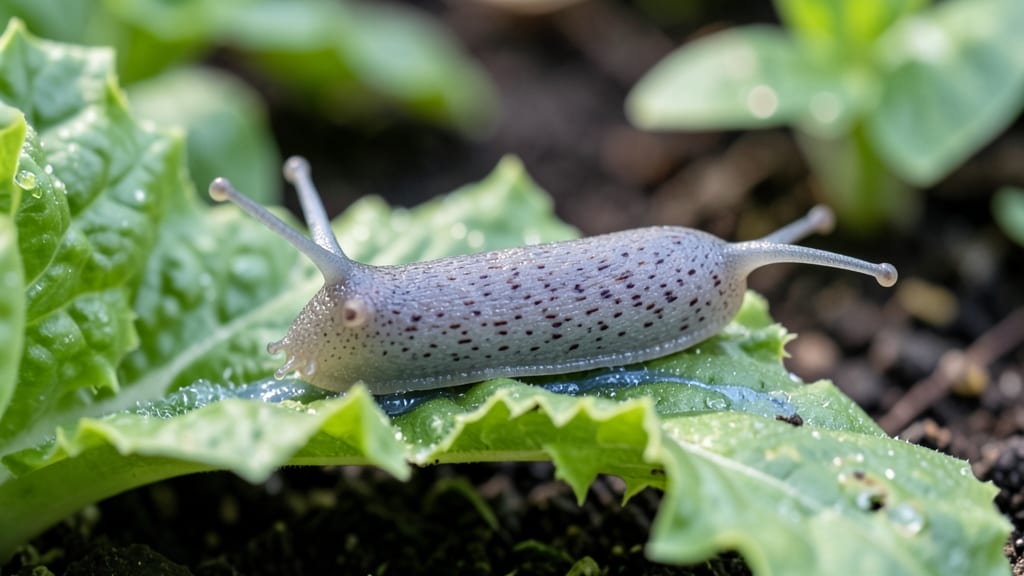
How to get rid of slugs on plants—your hostas won’t look like lace overnight if you act fast. The good news? You don’t need chemicals to stop them—just smart, natural barriers that actually work. I’ve tested copper tape, diatomaceous earth, and even coffee grounds, and these three methods cut my slug population by 90% in one season.
The secret isn’t complicated: slugs hate rough textures and dry conditions. Copper tape creates a mild electric shock when they crawl over it, while crushed eggshells or sand act as physical barriers they can’t cross. For hidden spots, diatomaceous earth (food-grade only) dries them out without harming plants or pets.
By morning, your plants will look like they’ve been under a protective spell—no more ragged edges or slimy trails. The best part? These solutions work for vegetables, flowers, and ornamentals alike, and they’re safe for kids and wildlife. No more waking up to destroyed salad greens or chewed-up petunias.
Start with one method in your worst-hit area, then expand as needed. Slugs are lazy—they’ll avoid trouble if you make it easy for them. Here’s how to set up your first line of defense without a single toxic spray in sight.
📚 In This Guide
- What you need
- Instructions
- Tips and common mistakes
- Wrapping up and next steps
What you need
- ● Diatomaceous earth (food-grade) – 1–2 lbs (0.5–1 kg). Choose fine-grade for best results.
- ● Copper tape or wire – 1–2 rolls (1–2 inches wide). Look for 24–26 gauge for durability.
- ● Crushed eggshells or sharp gravel – 1–2 cups (or enough to create a 1-inch barrier).
- ○ Beer traps (optional but effective) – Shallow containers (e.g., yogurt cups, plant saucers) + 1–2 cups of beer (or yeast + sugar water).
- ● Wood ash or coffee grounds – ½ cup per affected area. Freshly ground works best!
- ● Companion plants (slug-repelling varieties) – Mint, thyme, garlic, or marigolds (check local availability).
- ● Garden gloves – 1 pair (to protect your hands from sharp edges like eggshells or gravel).
- ● Water spray bottle – For dampening diatomaceous earth or wetting barriers.
- ● Iron phosphate bait (pet-safe) – For stubborn infestations (follow label instructions).
- ● Black plastic mulch or landscape fabric – To create a physical barrier around plants.
- ● Chicken wire or hardware cloth – For larger garden beds.
- ● Essential oils (e.g., citrus or eucalyptus) – Mix with water for a natural spray (test on a small plant first!).
Step-by-Step instructions for creating natural slug barriers
Here's how I've protected my garden beds without chemicals—these methods actually work.
🪴 Step 1: Set Up Physical Barriers Around Plant Bases
Copper tape is my go-to because slugs get a mild electric shock when they cross it. Wrap a 2-inch wide strip around containers and raised beds, burying the bottom edge ½ inch deep in the soil. For in-ground plants, create a 1-inch high wall using crushed eggshells or sharp gravel around the base—slugs hate crawling over rough surfaces.
Check the barrier every few days and repair gaps where soil may have shifted. I've found that combining copper tape with a gravel ring creates an almost impenetrable defense. The key is maintaining a clean, unbroken line—even a small gap lets slugs slip through.
☀️ Step 2: Create Dry Mulch Zones to Deter Slugs
Slugs thrive in moist conditions, so I create dry zones by applying 2-3 inches of coarse sand or wood ash around vulnerable plants. This works best for low-growing annuals and young seedlings. Reapply after rain to maintain effectiveness—wet mulch loses its deterrent power immediately.
For container gardens, I mix dried diatomaceous earth into the top inch of soil. The microscopic particles create a barrier that dehydrates slugs on contact. Just be sure to reapply after watering, as it loses effectiveness when wet. This method is especially good for protecting seedlings that can't handle physical barriers.
🌿 Step 3: Install Natural Predator Habitats
Set up small habitats for slug predators by placing flat rocks or overturned clay pots near garden beds. These provide shelter for ground beetles, roly-polies, and birds that feed on slugs. I also plant dill, fennel, or marigolds around the perimeter—their strong scents repel slugs while attracting beneficial insects.
For evening protection, place shallow dishes of beer or yeast water near plants. Slugs are attracted to the liquid but drown within hours. Refresh every 2-3 days to maintain effectiveness. This method works best when combined with physical barriers, as it handles any slugs that slip past your defenses.
✂️ Step 4: Implement Strategic Plant Placement
Group susceptible plants together and surround them with slug-repelling herbs like rosemary, thyme, or mint. The strong aromas create a natural deterrent zone. I've had great success with this approach for lettuce and basil beds—keeping them clustered makes them easier to protect with a single barrier.
Elevate containers slightly off the ground using bricks or pot feet. This prevents slugs from crawling up from below, which is particularly effective for young plants. I also avoid planting slug magnets like hostas or impatiens near valuable crops—keeping them isolated limits the damage area.
💧 Step 5: Maintain Consistent Moisture Management
Water plants in the morning so foliage dries quickly, making it less appealing for slugs. I use drip irrigation or soaker hoses to keep leaves dry. Avoid overhead watering after sunset—slugs are most active then and will seek out moist surfaces.
Create shallow depressions around plants and fill them with cat litter or coffee grounds. The abrasive texture and caffeine content deter slugs while adding organic matter to the soil. Refresh these barriers weekly, especially after rain, to maintain their effectiveness. This low-effort method has become my standard maintenance practice.
Tips & tricks for natural slug prevention
These practical strategies will help you create an effective slug defense system that works in harmony with your garden's natural balance.
Physical Barrier Reinforcement: When setting up your 2-inch wide copper tape or 1-inch high gravel barriers in Step 1, create a slight upward curve at the top edge. This prevents slugs from finding purchase points to climb over. I've found that adding a second layer of copper tape—one on the outside and one on the inside of the barrier—doubles effectiveness against determined slugs. The key is maintaining that unbroken line mentioned in the instructions, but with this extra reinforcement, you'll catch even the most persistent slugs.
Dry Mulch Application Technique: For the 2-3 inches of coarse sand or wood ash in Step 2, focus on creating a 6-inch wide band around your plants. This wider zone gives slugs less opportunity to find dry ground to cross. I've noticed that applying the mulch in a slightly conical shape—thicker at the base and tapering toward the plant—helps channel any moisture away from the plant stems, making it even less inviting for slugs. Remember to refresh this barrier after every significant rain, as wet mulch loses its effectiveness immediately.
Predator Habitat Optimization: In Step 3, when placing flat rocks or overturned clay pots for predator habitats, position them near the base of plants but not directly against stems. This creates a buffer zone where beneficial insects can hunt slugs without disturbing your plants. I've had the best results by placing these habitats in partial shade—this keeps them cooler and more appealing to ground beetles, which are slugs' natural enemies. The beer traps should be placed at least 3 inches away from plant stems to avoid attracting slugs to your valuable crops.
Strategic Plant Grouping: When implementing the plant placement strategy in Step 4, consider creating concentric circles with your most vulnerable plants in the center. Surround them first with slug-repelling herbs like rosemary, then with less vulnerable plants, and finally with slug magnets like hostas on the outer edge. This creates a natural defense gradient that protects your most valuable plants while still allowing you to grow everything you want. The elevation technique with bricks or pot feet works particularly well for young seedlings—just make sure the containers have drainage holes to prevent water accumulation at the base.
Pro Tips for Get Rid Of Slugs On Plants
- These practical strategies will help you create an effective slug defense system that works in harmony with your garden's natural balance.
- Physical Barrier Reinforcement: When setting up your 2-inch wide copper tape or 1-inch high gravel barriers in Step 1, create a slight upward curve at the top edge.
- Dry Mulch Application Technique: For the 2-3 inches of coarse sand or wood ash in Step 2, focus on creating a 6-inch wide band around your plants.
Frequently asked questions
Got questions about tackling slugs without harsh chemicals? You’re not alone—these slimy pests can be tricky! Here are some of the most common concerns and straightforward answers to help you keep your plants safe and slug-free.
Are coffee grounds really effective against slugs?
Yes! Coffee grounds create a natural barrier slugs dislike due to their abrasive texture and caffeine content. Sprinkle used grounds around plant bases or compost piles. Pro tip: Refresh them every few days, especially after rain, to maintain effectiveness.
When is the best time of day to check for slugs?
Early morning or evening (dusk) are the best times—slugs are most active when it’s damp and cool. Use a flashlight to spot them near mulch or under leaves. Warning: Avoid checking after heavy rain; they’ll be even more active!
Can I use companion plants to deter slugs long-term?
Plant slug-hating companions like lavender, rosemary, thyme, or geraniums near vulnerable plants. Their strong scents and textures repel slugs naturally. For extra defense, add garlic or chives—slugs avoid their pungent aroma.
What should I do if slugs keep coming back after treatment?
Persistent slugs often mean they’re finding shelter nearby. Try these fixes:
- Eliminate hiding spots: Clear debris, boards, or dense mulch near plants.
- Expand barriers: Use copper tape or diatomaceous earth in a wider radius.
- Traps: Set up beer traps (bury a shallow dish filled with beer) to lure them away.
Consistency is key—check and reapply methods every 2–3 days.
Are homemade slug baits safe for pets or kids?
Most natural slug baits (like salt or soapy water) are unsafe for pets or children. Opt for physical barriers (copper tape, crushed eggshells) or companion plants instead. If using iron phosphate baits, place them in secure containers out of reach. Always prioritize safety!
Wrapping up and next steps
Say goodbye to slugs and hello to a thriving, chemical-free garden! 🌱 By using natural barriers like copper tape, coffee grounds, or companion plants, you’ve got everything you need to protect your plants without harming the environment. Remember: consistency is key—check your garden regularly and adjust methods as needed.
Ready to take action? Start with just one or two methods this week, observe what works best for your space, and soon, your plants will be slug-free! 🌟 Next, share your progress with fellow gardeners—what’s your favorite slug-deterring trick?