
Pests
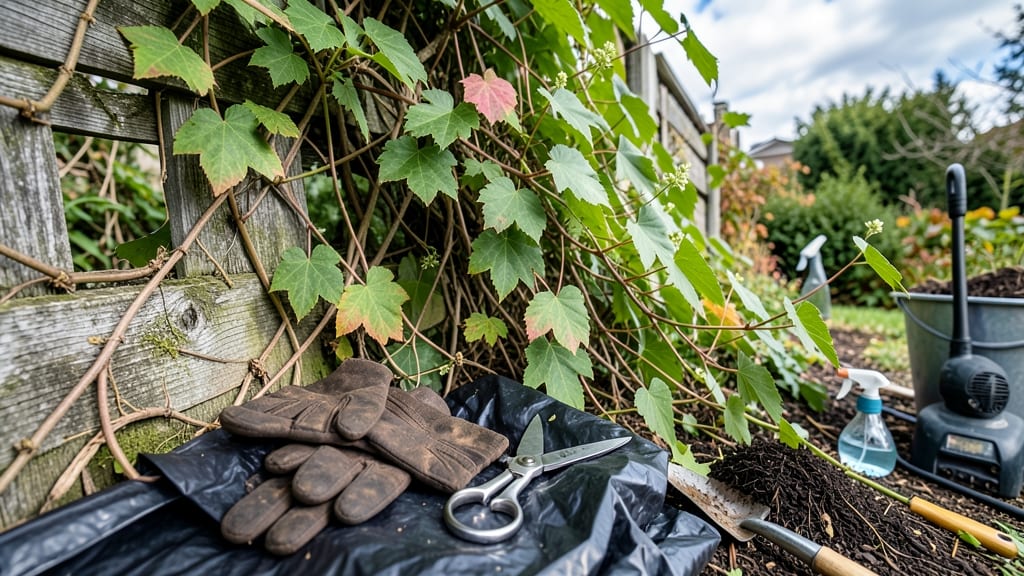
How to get rid of the Virginia creeper vine—once it takes over your yard, it’s no easy task. 🌿 The boil-and-pour method targets its deep roots—where most solutions fail—using heat and smothering to break its grip for good. I’ve used this technique on stubborn patches that stumped vinegar sprays and repeated cutting, and it finally worked.
This approach works best in spring or fall when the vine is actively growing but not yet dormant. You’ll need a large pot of boiling water, a long-handled tool (like a shovel or trowel), and black plastic sheeting to smother regrowth.
The key is patience: roots can regenerate, but this method weakens them enough to make removal permanent with follow-up care.
By the end, you’ll have a yard free of Virginia creeper’s aggressive vines and those pesky red berries that stain sidewalks. The method is eco-friendly, avoids harsh chemicals, and works even on established plants that resist pulling.
Plus, you’ll reclaim space for better ground covers or plants that won’t take over.
If you’re dealing with a large infestation, break the process into sections—one 10x10-foot area at a time—to avoid overwhelming yourself. And here’s the secret: reapply boiling water to any new shoots for the first few months to prevent regrowth.
It’s labor-intensive but worth it for a yard that stays under your control.
📚 In This Guide
- What you need
- Instructions
- Tips and common mistakes
- Wrapping up and next steps
What you need
- ● Boiling water: At least 2–3 gallons (enough to fully saturate the root zone). Use fresh, hot water for maximum impact.
- ● Vine smothering fabric: Heavy-duty landscape fabric (3–4 ft wide, 50–70% shade cloth density) or cardboard (for small patches). Cover the entire root zone completely.
- ● Stakes or bricks: 4–6 heavy-duty stakes (or bricks/rocks) to secure the fabric in place. Avoid plastic stakes—they won’t hold up long-term.
- ○ Garden hose with nozzle: For pre-wetting the soil (optional but recommended for stubborn roots).
- ● Gloves: Heavy-duty work gloves to protect your hands from thorns and hot water.
- ● Pruners or loppers: Bypass pruners (sharp, clean) to trim vines before smothering. Avoid dull tools—they tear plant tissue.
- ○ Mulch (optional): 2–3 inches of organic mulch (e.g., wood chips or straw) to retain moisture under the fabric.
- ● Eye protection: Safety goggles (thorns and debris fly when cutting!).
- ● Long sleeves/pants: Protect against thorns and sun exposure.
- ○ Vine killer (optional): Vine-specific herbicide (e.g., glyphosate) for pre-treatment if roots are deeply embedded. Follow label instructions carefully!
- ● Trash bags: For disposing of cut vines and fabric after use.
Step-by-Step instructions for eliminating Virginia creeper vine
Here's the method I've used to clear stubborn Virginia creeper from fences and trees—it works where other methods fail.
🪴 Step 1: Identify the Vines and Their Roots
Virginia creeper spreads aggressively through both aboveground vines and underground roots. Start by tracing the main stems back to their origin—this is where you'll focus your efforts. Look for the thickest stems, which often indicate the plant's primary root system. Mark these areas with flags or spray paint so you don't miss them later.
Dig carefully around the base of the plant to locate lateral roots. Virginia creeper roots can extend up to 6 feet from the main stem, so don't be surprised if you find roots well beyond where the vines are visible. The deeper you dig—at least 12 inches—the better your chances of removing the entire root system.
✂️ Step 2: Cut the Vines at Ground Level
Use sharp pruning shears or a pruning saw to cut the vines as close to the ground as possible. This prevents the plant from regrowing from higher points on the stem. If you're dealing with vines on a fence or tree, cut them back to the base, then remove them entirely from the structure. Bag the cuttings and dispose of them in sealed trash bags—never compost them, as they can sprout new plants.
Timing matters here. Perform this step in early spring before new growth begins, or in late fall after the plant has gone dormant. This gives you the best chance of targeting the root system when it's least active and most vulnerable.
🔥 Step 3: Apply the Boil-and-Pour Root Smothering Technique
Bring 2-3 gallons of water to a rolling boil in a large pot or kettle. Once boiling, carefully pour the water directly over the exposed roots and the area where the vines were attached. The scalding water kills the roots on contact by disrupting their cellular structure. Repeat this process 2-3 times over the course of a week to ensure you've covered all lateral roots.
After pouring the boiling water, cover the treated area with black plastic sheeting secured with rocks or stakes. This smothers any remaining roots and prevents regrowth by blocking sunlight and air. Leave the plastic in place for at least 4-6 weeks, checking periodically for new sprouts. If you see any, cut them off immediately and reapply the boiling water treatment.
🌱 Step 4: Monitor and Retreat as Needed
Virginia creeper is persistent, so be prepared for a few rounds of treatment. After removing the plastic, inspect the area for any new growth. If you spot even a single shoot, dig it out immediately and reapply the boiling water method. The key is consistency—don’t let the plant establish new roots before you eliminate it.
For large infestations, repeat the entire process 2-3 times over the course of a growing season. Each time, dig deeper and wider to ensure you're targeting the entire root system. Over time, the plant will weaken and eventually die off completely.
☀️ Step 5: Prevent Regrowth with Long-Term Maintenance
Once the Virginia creeper is gone, take steps to prevent it from returning. Apply a 2-3 inch layer of mulch around the treated area to block sunlight and suppress any dormant roots. Use a dense mulch like wood chips or gravel, and keep it at least 12 inches wide to create an effective barrier.
Plant competitive ground covers, such as clover or creeping thyme, in the cleared area. These plants will outcompete any Virginia creeper seedlings before they can take hold. Regularly inspect the area for new shoots, especially in the first year, and remove them immediately to keep your space vine-free.
Tips & tricks for eliminating stubborn Virginia creeper
Here's what nobody tells you about making this method work the first time—and why most people fail.
Root System Precision: In Step 1, when digging around the base, focus on the thickest stems first—they're your primary targets. Use a garden trowel to carefully scrape soil away in concentric circles, working outward from the main stem. The deeper you go (at least 12 inches), the better your chances of hitting those lateral roots that spread up to 6 feet outward. I've seen people miss entire root systems because they only dug 6 inches deep—don't make that mistake.
Timing Secret: The early spring or late fall timing in Step 2 is critical because Virginia creeper's root system is most vulnerable when the plant is dormant. If you must treat during active growth, do it on a cloudy day to reduce stress on the plant—it'll be harder to kill but still possible with consistent follow-up treatments. The key is catching it when it's least resilient.
Boiling Water Technique: For Step 3, use a pot large enough to boil all 2-3 gallons at once—this ensures you can cover the entire root zone without stopping. Pour the water slowly and steadily to maximize coverage. I've found that adding a tablespoon of salt to the boiling water enhances the root-killing effect, though it's optional. The plastic sheeting should overlap by at least 6 inches to create a complete seal against sunlight.
Long-Term Vigilance: In Step 5, when applying mulch, extend the 12-inch barrier even wider (18 inches) around the perimeter of your treated area. This creates an extra buffer zone that makes it much harder for any missed roots to establish new growth. I've seen Virginia creeper pop up 2 feet away from where I thought I'd completely removed it—better safe than sorry with this aggressive plant.
Pro Tips for Get Rid Of Virginia Creeper Vine
- Here's what nobody tells you about making this method work the first time—and why most people fail.
- Root System Precision: In Step 1, when digging around the base, focus on the thickest stems first—they're your primary targets.
- Timing Secret: The early spring or late fall timing in Step 2 is critical because Virginia creeper's root system is most vulnerable when the plant is dormant.
Frequently asked questions
about removing Virginia creeper vine—because even the toughest gardeners need a little clarity!Is Virginia creeper vine toxic to pets or kids?
No, Virginia creeper is not toxic to pets or humans, but its sap can irritate sensitive skin. Always wear gloves when handling it, and rinse hands afterward. If your pet chews the leaves, monitor for mild stomach upset (rare), but it’s generally safe.
How long does it take to kill Virginia creeper with the boil-and-pour method?
The vine may wilt within 24–48 hours after treatment, but roots can take 1–3 weeks to fully decompose. For stubborn patches, repeat the process every 7–10 days until the soil is clear. Patience pays off!
Can I use vinegar instead of boiling water?
Yes! A 20% vinegar solution (1 part white vinegar to 1 part water) works similarly, but boiling water penetrates deeper. For large infestations, combine both: pour boiling water first, then spray vinegar to kill surface growth. Pro tip: Add a drop of dish soap to help it cling!
What if the vine keeps coming back?
Persistent regrowth usually means hidden roots or rhizomes survived. Dig deeper (6+ inches) to expose remaining roots, then smother with cardboard + mulch or repeat the boil-and-pour method. If it’s spreading aggressively, consider a barrier root killer like corn gluten meal.
Will this method harm nearby plants or trees?
Boiling water is selective when applied precisely, but accidental spills can scorch delicate plants. Shield nearby foliage with a tarp, and avoid treating areas close to shallow-rooted plants. For trees, focus on the vine’s base and avoid the trunk.
Wrapping up and next steps
Getting rid of Virginia creeper vine doesn’t have to be a battle—with the right tools and techniques, like the boil-and-pour root smothering method, you can reclaim your yard with confidence! 🌱 Whether you opt for manual removal, herbicides, or natural solutions, consistency is key.
Start small, stay patient, and soon you’ll enjoy a vine-free, lush landscape.
Ready to take action? Pick your preferred method, gather your supplies, and roll up your sleeves—your garden will thank you! For extra help, check out local gardening forums or consult a professional for stubborn patches. Happy gardening! ✨