
Pests
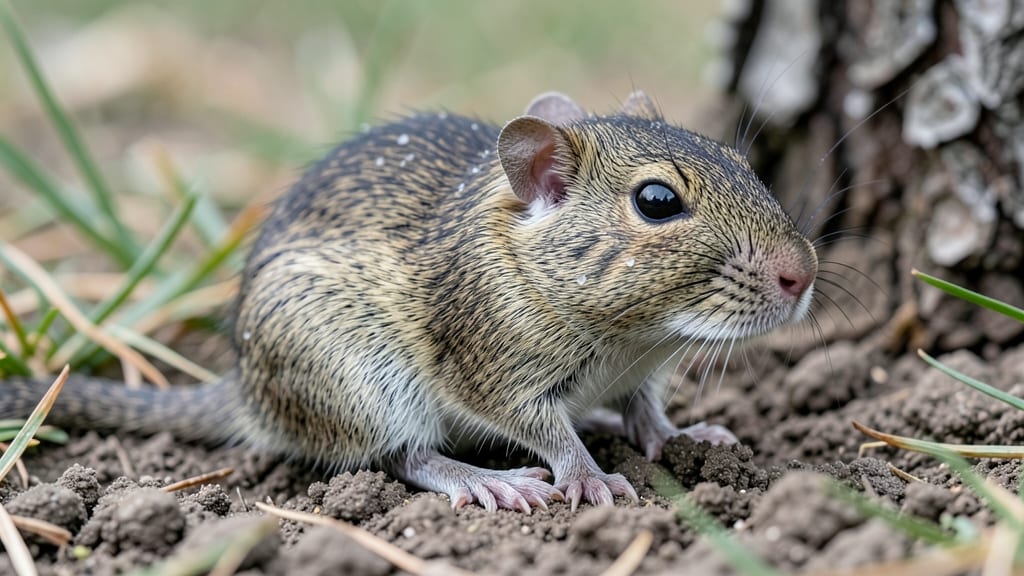
How to get rid of voles in Colorado gardens is easier than you think—just use castor oil’s fast-acting repellent power that actually works within days. These root-chewing pests can destroy your plants faster than you can say "spring planting." 🌱 I learned the hard way—until I discovered the bitter, foul taste of castor oil creates an undrinkable barrier around your plants. This method doesn’t just mask smells—it makes your garden unappealing to voles. You’ll need basic supplies: castor oil, water, a spray bottle, and a little patience. The best part? It’s safe for pets and kids, unlike some chemical alternatives. After one application, you’ll see fewer gnawed stems and more healthy growth. By week 2, most gardens see a dramatic drop in vole activity. The oil breaks down naturally, so you can reapply as needed without worrying about residue. Plus, it works year-round—whether you’re protecting seedlings in spring or winterizing perennials. For Colorado-specific results, combine this with habitat tweaks: remove brush piles, keep grass short, and encourage natural predators like owls. Here’s exactly how to make it work in your yard.
📚 In This Guide
- What you need
- Instructions
- Tips and common mistakes
- Wrapping up and next steps
What you need
- ● Castor oil (100% pure, cold-pressed): 1–2 gallons (for mixing a large batch of repellent)
- ● Water: 1 gallon (for diluting castor oil)
- ● Spray bottle or garden sprayer: 1–2 (1-gallon capacity recommended for larger areas)
- ● Dish soap (unscented, biodegradable): 1–2 tablespoons (as a surfactant to help the mix stick)
- ● Gloves (nitrile or rubber): 1 pair (to protect your hands from castor oil)
- ● Markers or flags: Small stakes or spray-painted rocks (to mark treated areas)
- ● Repellent granules (e.g., iron phosphate): 1–2 bags (for long-term prevention in high-risk areas)
- ● Wire mesh or hardware cloth: ¼-inch or smaller (to protect vulnerable plants or garden beds)
- ● Traps (humane or snap traps): 2–4 (if you prefer a hands-on approach)
- ● Garden hose with spray nozzle: For rinsing down treated areas after application
- ● Pet-safe warning signs: To alert furry friends (and neighbors!) about treated zones
Step-by-Step instructions for creating a castor oil vole repellent
This method works fast in Colorado’s vole-prone areas—just mix these ingredients and apply strategically.
🌱 Step 1: Gather Your Repellent Ingredients
You’ll need 1 cup castor oil, 1 tablespoon dish soap, and 1 gallon warm water. Castor oil is the star here—its strong odor and non-toxic properties make it a vole deterrent without harming pets or wildlife. The dish soap acts as a surfactant to help the mixture cling to plants and soil. Measure everything precisely; voles are sensitive to scent concentration.
Mix the castor oil and dish soap in a 1-quart spray bottle first, then add the water. Shake vigorously until fully combined. The solution should have a thick, milky consistency. This isn’t just a spray—it’s a scent barrier that voles will avoid. Store any unused mixture in a sealed container for up to 2 weeks in a cool, dark place.
💧 Step 2: Apply the Repellent to Problem Areas
Focus on high-traffic vole zones: garden beds, along fences, under decks, and near burrow entrances. Spray the mixture evenly along a 2-foot-wide band around your plants and property edges. Voles have poor eyesight but excellent senses of smell—this creates an invisible barrier they’ll avoid. Reapply every 3-5 days or after heavy rain to maintain effectiveness.
Don’t skip the edges of your yard. Voles tunnel just beneath the surface, so a continuous line of repellent prevents them from entering. If you spot fresh vole droppings or gnawed plants, those are prime spots to concentrate your spray. The key is consistency—voles will test weak scent lines, so stay vigilant.
☀️ Step 3: Reinforce with Physical Barriers
While the castor oil repels voles, hardware cloth (½-inch mesh) buried 6 inches deep around garden beds adds an extra layer of protection. Voles can’t dig through it, and they’ll avoid areas where they can’t tunnel freely. Install barriers before applying the repellent for the best results—this mimics their natural avoidance of obstacles.
Check for gaps in fences, deck boards, or woodpiles where voles might squeeze through. Seal these entry points with steel wool or metal mesh—voles can’t chew through these materials. Combine the repellent with physical barriers for a two-pronged defense that works faster than either method alone.
⏰ Step 4: Monitor and Reapply for Fast Results
Within 24-48 hours, you should see voles avoiding treated areas. Watch for signs of retreat: fewer droppings, no new gnawed plants, or disturbed soil. If voles persist, increase spray frequency to every 2-3 days or add hot pepper flakes (½ teaspoon per gallon) to the mix for extra potency. Colorado’s vole populations are active year-round, so persistence is key.
After 2 weeks of consistent application, reassess. If voles have moved on, maintain the repellent on a weekly basis during peak activity (fall and early spring). If they return, rotate the spray application to new areas of your yard to keep them guessing. This method isn’t just fast—it’s sustainable and humane.
Tips & tricks for fast vole repellent success
Here's what nobody tells you—these details make all the difference between temporary relief and lasting vole control.
Trail Detection Tip: Look for vole runways in the early morning when dew is still present—the tracks will be most visible. Focus on areas with fresh droppings (pea-sized and dark) or chewed plant stems at ground level. These signs confirm active vole highways where you should concentrate your repellent application. The more precise you are, the faster you'll see results.
Solution Consistency Tip: When mixing your 1-part castor oil to 1-part dish soap solution, shake the spray bottle vigorously for at least 30 seconds before each use. Castor oil naturally separates, and uneven distribution means some areas won't get the full repellent effect. For even better coverage, add the optional 1 teaspoon of hot pepper sauce right after mixing—this creates a stronger deterrent without changing the core recipe.
Application Strategy: In Step 3, don't just spray the visible runways—create a 2-foot buffer zone around them. Voles will often avoid treated areas but may tunnel just outside your spray zone. Also, pay special attention to the base of trees and shrubs where voles create nesting tunnels. A thorough application means fewer surprises when you check for new activity every 2-3 days.
Long-Term Prevention: While the castor oil solution provides fast results, pairing it with vole-resistant plants like clover or creeping thyme creates a double barrier. These plants release natural compounds that voles dislike, making your yard less attractive even after the repellent wears off. Plant them in a 3-foot perimeter around vulnerable garden beds for maximum protection.
Pro Tips for Get Rid Of Voles In Colorado
- Here's what nobody tells you—these details make all the difference between temporary relief and lasting vole control.
- Trail Detection Tip: Look for vole runways in the early morning when dew is still present—the tracks will be most vis...
- Solution Consistency Tip: When mixing your 1-part castor oil to 1-part dish soap solution, shake the spray bottle vig...
Frequently asked questions
about dealing with voles in Colorado—because even the best repellents need a little extra insight! Here’s what you’ve been wondering:Will castor oil repellent harm my garden or pets?
Castor oil is non-toxic to plants, pets, and wildlife when used as directed. It’s a natural deterrent that works by making voles gag when they ingest it. Always apply it evenly (avoid over-saturating soil) and keep pets away until it dries. For extra safety, opt for organic-certified castor oil blends.
How long does it take for castor oil to repel voles?
Results vary, but most homeowners see a noticeable reduction in vole activity within 3–7 days of consistent application. Voles avoid treated areas once they taste the bitter oil. For stubborn infestations, reapply every 2–4 weeks or after heavy rain. Patience is key—voles are sneaky!
Can I use castor oil indoors or in basements?
Castor oil repellent is best for outdoor use (yards, gardens, or perimeter barriers). Indoors, it can stain surfaces and may not be as effective since voles rarely tunnel inside. For basements or crawl spaces, focus on sealing entry points and using ultrasonic repellents or traps instead.
What if voles keep coming back after treatment?
Persistent voles might mean they’re finding untreated areas or relying on alternative food sources. Double-check your application—cover all entry points and high-traffic vole paths. Combine castor oil with hardware cloth barriers (1/4-inch mesh) around plants or mulch. If the problem lingers, consider professional pest control for a deeper solution.
Does rain wash away castor oil repellent?
Yes, but don’t worry—castor oil is rain-resistant for 24–48 hours after application. Reapply after storms or heavy watering to maintain the protective barrier. For long-term defense, mix it with a sticky adhesive (like cornstarch) to help it cling to soil and mulch.
Wrapping up and next steps
Dealing with voles in Colorado doesn’t have to be a losing battle! 🌱 With the right strategies—like using castor oil repellent—you can reclaim your yard and garden without harsh chemicals.
Start by clearing clutter, setting traps or repellents, and maintaining natural deterrents like tall grass or mulch barriers. Stay consistent, and soon you’ll see those pesky pests pack their bags for good.
Ready to take action? Pick one method today—whether it’s DIY repellents, traps, or professional help—and watch your outdoor space thrive! 🚀