
Vegetables
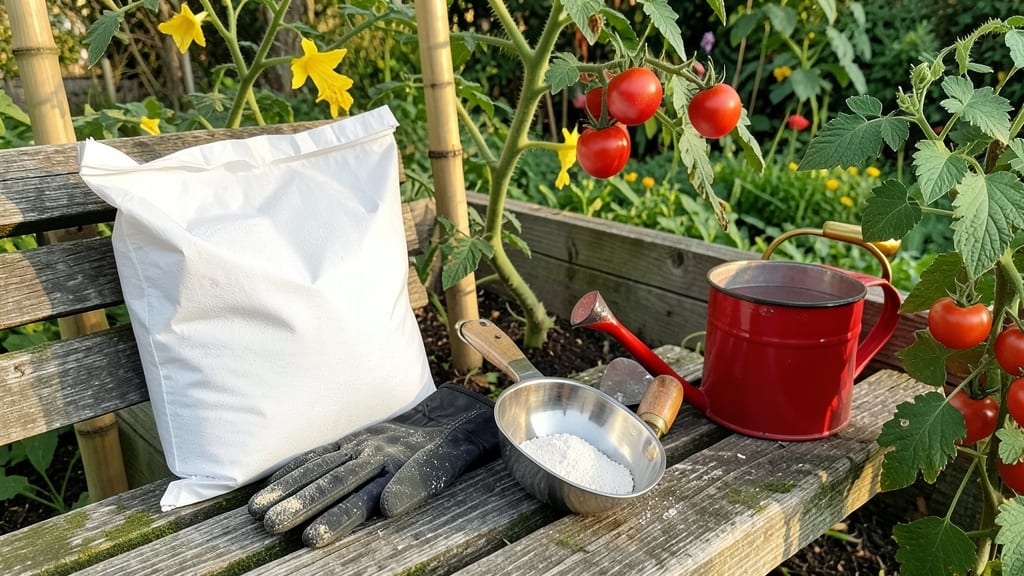
Blossom end rot ruins harvests faster than you can say "sauce." 🌱 Tomatoes need calcium to build strong cell walls, and without it, your fruit develops those telltale black bottoms—no matter how much water or fertilizer you give them.
The fix isn't complicated, but it is crucial if you want juicy, blemish-free tomatoes all season.
Diagnosing the problem is easy: check for dark, sunken spots on the blossom end of fruit, or weak stems that snap like dry twigs. Most gardeners grab calcium supplements too late—by then, the damage is done.
The real secret? Preventing deficiency before it starts with simple soil amendments like crushed eggshells, garden lime, or calcium-rich fertilizers. I’ve saved entire harvests using just a handful of crushed shells mixed into planting holes.
You’ll see the difference within 2-3 weeks: firmer stems, fewer blighted fruits, and tomatoes that stay plump from vine to table. The best part? These methods work for organic gardens too—no synthetic shortcuts needed.
Once you master calcium balance, your plants will reward you with heavier yields and fewer disappointments at harvest time.
Timing matters most: apply calcium at planting, then again when flowers appear. Overdoing it? Not a problem—tomatoes can’t overdose on calcium from natural sources. For extra insurance, try a foliar spray of diluted calcium chloride (1 tsp per gallon of water) on hot days when uptake slows down.
📚 In This Guide
- What you need
- Instructions
- Tips and common mistakes
- Wrapping up and next steps
What you need
- ● Eggshells (fresh or dried) – At least 1 cup (about 10–12 large eggshells). Rinse thoroughly to remove residue, then dry completely (bake at 200°F for 10–15 minutes to sterilize).
- ○ Calcium supplement (optional) – 1–2 tbsp of crushed eggshell powder OR 1 tbsp of calcium carbonate (food-grade, like this). Pre-made powder saves time!
- ● Water – 1–2 gallons for soaking or mixing into a spray.
- ● Blender or food processor – For grinding eggshells into fine powder.
- ● Fine-mesh strainer or sieve – To sift out any large particles.
- ○ Spray bottle or watering can – For foliar spraying (optional but effective).
- ● Garden trowel or small shovel – For mixing powder into soil around tomato roots.
- ○ Gloves (optional) – To keep hands clean while handling shells or powder.
- ● Healthy tomato plants – No visible signs of disease (like blossom end rot) before applying calcium.
- ● Well-draining soil – Calcium works best when roots can absorb it easily.
- ● Patience – Results take 2–4 weeks to show (consistency is key!)
Step-by-Step instructions for boosting tomato calcium naturally
Here’s how I strengthen tomato plants using simple, organic calcium sources—no fancy tools or chemicals needed.
🌱 Step 1: Collect and Prepare Calcium-Rich Materials
Start by gathering eggshells—the most accessible calcium source for gardeners. I save shells from my kitchen, rinse them clean, and let them dry completely in the sun. Avoid using shells with leftover food residue, as bacteria can harm your plants. For 4 tomato plants, aim to collect about 1 cup of crushed eggshells—this provides enough calcium to prevent blossom-end rot and improve cell wall strength.
Once dry, crush the eggshells into a fine powder using a clean mortar and pestle or a coffee grinder. You’ll want a consistency similar to flour—this ensures the calcium dissolves easily when mixed into the soil. Store the powder in a labeled jar until ready to use. I like to add a pinch of wood ash (from untreated hardwood fires) for extra calcium and potassium, but only use ash sparingly—too much raises soil pH too quickly.
💧 Step 2: Apply Eggshell Powder to Soil
Work the eggshell powder into the top 2-3 inches of soil around your tomato plants, focusing on the root zone. I use my fingers to gently break up the soil and mix in the powder, ensuring even distribution. This method mimics how calcium naturally moves through the soil and becomes available to plant roots. For 4 plants, sprinkle about 1 tablespoon of powder per plant—this amount provides a steady calcium supply without overwhelming the soil.
Water the soil thoroughly after applying the powder to help it dissolve and integrate. You’ll notice the soil looks slightly darker and more crumbly where you’ve worked it in. This is a good sign—the calcium is now accessible to the roots. Avoid applying eggshell powder directly to leaves, as it can create a barrier that prevents water absorption and may cause leaf burn.
☀️ Step 3: Use Calcium-Rich Foliar Spray for Quick Absorption
For faster results, especially during flowering or fruiting, I make a foliar spray using eggshell tea. Fill a jar with 1 cup of crushed eggshells, cover with 2 cups of hot (not boiling) water, and let it steep overnight. Strain the mixture through a fine cloth or cheesecloth into a spray bottle. This liquid is packed with dissolved calcium and trace minerals your tomatoes will absorb quickly through their leaves.
Spray the solution onto the top and bottom of leaves in the early morning or late afternoon to avoid leaf scorch from sunlight. Focus on younger leaves and new growth, as these areas benefit most from the extra calcium. Reapply every 7-10 days during peak growing seasons or whenever you notice early signs of blossom-end rot, like small, dark spots on the bottom of fruits. The spray should feel slightly damp on the leaves but not dripping.
⏰ Step 4: Monitor and Maintain Calcium Levels
Keep an eye on your tomato plants for signs of calcium deficiency, such as yellowing between leaf veins or blossom-end rot (dark, sunken spots on fruit). If you see these symptoms, increase your calcium applications—either by adding more eggshell powder to the soil or by spraying more frequently. Healthy tomato plants with adequate calcium will have dark green, firm leaves and strong stems that don’t snap easily when gently pinched.
I also recommend mulching around the base of plants with straw or grass clippings to retain moisture and encourage steady root growth, which helps the plant take up calcium more efficiently. Avoid over-fertilizing with nitrogen-heavy feeds, as this can create calcium deficiencies by promoting rapid leaf growth at the expense of fruit development. Balance your fertilizer with a low-nitrogen, high-calcium option like bone meal or crushed oyster shell for best results.
Tips & tricks for boosting tomato calcium naturally
Here's what nobody tells you about making this method work even better—these are the details that separate healthy plants from struggling ones.
Crushing Technique: For the finest eggshell powder, I use a clean coffee grinder in short bursts—about 10 seconds at a time. This prevents overheating and keeps the powder uniformly fine. If you don't have a grinder, a rolling pin works too, but you'll need to crush shells for longer. The goal is consistency similar to flour, which dissolves properly in soil.
Timing for Soil Application: In Step 2, apply the eggshell powder right after watering your plants. This helps the calcium dissolve immediately and become available to roots. I like to work the powder into the soil when it's slightly damp—this creates a paste-like texture that sticks to root zones better than dry powder.
Foliar Spray Consistency: When making the eggshell tea in Step 3, strain it through a fine cloth to remove any remaining particles that could clog your spray bottle. The liquid should be a pale, milky color—this indicates proper calcium dissolution. If it looks cloudy or gritty, strain again before spraying to prevent leaf blockage.
Monitoring Calcium Needs: In Step 4, watch for early signs of deficiency like small, dark spots on leaves before they develop into full-blown blossom-end rot. I've found that applying the foliar spray every 7 days during fruiting prevents issues before they start. The key is consistency—don't wait until you see symptoms to act.
Pro Tips for Give Tomatoes Calcium
- Here's what nobody tells you about making this method work even better—these are the details that separate healthy pl...
- Crushing Technique: For the finest eggshell powder, I use a clean coffee grinder in short bursts—about 10 seconds at ...
- Timing for Soil Application: In Step 2, apply the eggshell powder right after watering your plants. This helps the ca...
Frequently asked questions
Got questions about boosting your tomatoes with calcium? You’re not alone! Here are some of the most common concerns—plus straightforward answers to help you grow stronger, healthier plants with ease.
Why do tomatoes need calcium in the first place?
Tomatoes crave calcium to prevent blossom end rot (those ugly black spots on fruit) and strengthen cell walls. Without enough, your plants struggle to develop firm, flavorful tomatoes—even if they’re well-watered and fed. Think of calcium as the "glue" that keeps your harvest crisp and resilient.
When is the best time to add calcium to tomatoes?
Start early: Mix eggshell powder or calcium-rich amendments into the soil before planting. For container-grown tomatoes, add a slow-release calcium source (like crushed eggshells) every 4–6 weeks. If you spot early signs of rot, top-dress the soil or use a foliar spray with calcium nitrate for a quick fix.
Can I use eggshells from any diet (vegan, etc.)?
Yes! Eggshells work regardless of diet, but the process differs slightly:
- Non-vegan: Rinse, bake, and crush raw eggshells (protein-free).
- Vegan: Use calcium carbonate powder (food-grade) or crushed oyster shell (check local regulations). Both mimic eggshell benefits without animal products.
What if my tomatoes still get blossom end rot after adding calcium?
Blossom end rot can stem from imbalanced conditions. Double-check these fixes:
- Water consistently—avoid droughts and soggy soil (aim for 1–1.5 inches per week).
- Test your soil pH—calcium absorbs best in 6.0–7.0 range. Adjust with lime if needed.
- Add magnesium (Epsom salt) to help calcium uptake.
Are there non-eggshell alternatives for calcium?
Try these easy swaps:
Source
How to Use
Notes
Crushed oyster shell
Work 1–2 cups per plant into soil at planting.
Slow-release; great for long-term health.
Gypsum (calcium sulfate)
Sprinkle 1–2 tbsp per plant, water in.
Improves soil structure and adds calcium.
Calcium nitrate fertilizer
Foliar spray (1 tsp/gallon) or soil drench.
Fast-acting for emergencies.
Wrapping up and next steps
Giving your tomatoes the calcium boost they need doesn’t have to be complicated—just a sprinkle of eggshell powder can work wonders! 🌱 By following these simple steps, you’ll help prevent blossom-end rot, strengthen cell walls, and enjoy healthier, more productive plants. Your garden (and your taste buds!) will thank you.
Ready to take the next step? Start small—try a batch of eggshell powder on just one or two tomato plants this season, and observe the difference. Before you know it, you’ll be a calcium-boosting pro, and your garden will be thriving! Happy growing! 🌿