
Size
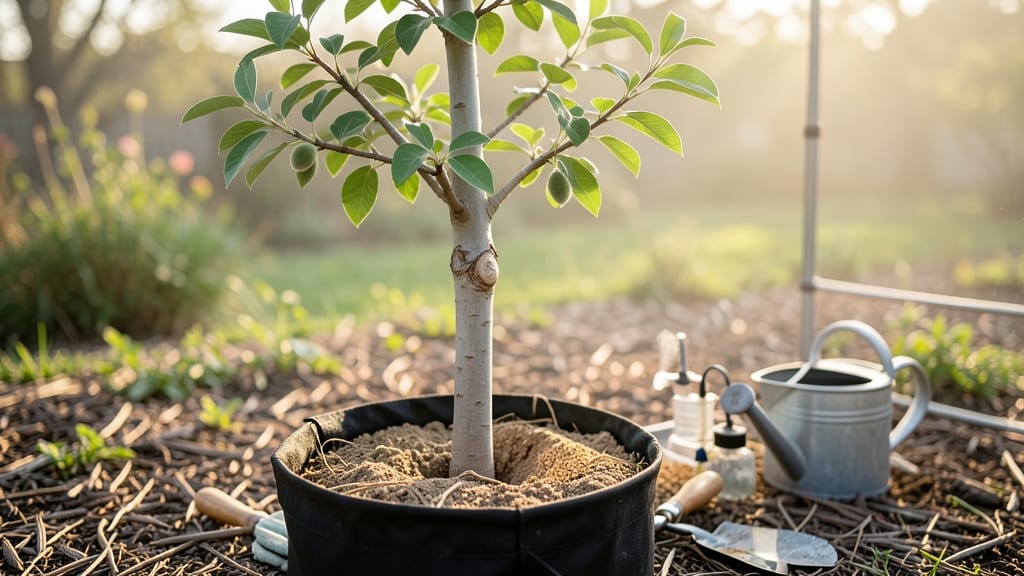
How to grow almonds at home feels like magic—especially when you realize those tiny nuts can become a 10-foot tree in your backyard. 🌱 The process starts with patience (and a lot of cold stratification), but the payoff is worth it: fresh, crunchy almonds straight from your own tree. I’ve grown them from seed twice now, and while they won’t produce edible nuts for years, the journey is fascinating—and the ornamental value is stunning.
The real secret isn’t complicated: almonds need full sun, well-draining soil, and deep watering (think Mediterranean climate in a pot or garden). Most people assume you need to graft for edible nuts, but even seed-grown trees can produce beautiful blooms and potential (though often inedible) nuts.
The first year is all about establishing roots—so don’t rush it. I learned the hard way that almonds hate soggy soil, so raised beds or containers with drainage holes are your best friends.
By year three, you’ll see those iconic pink spring blossoms, followed by green seed pods that look like tiny lanterns. The trees stay small enough for containers (if you prune regularly), making them perfect for urban growers.
Yes, it takes 5-7 years for seed-grown trees to bear nuts, but the drought tolerance and silvery foliage make them a standout in any garden. Plus, the smell of those flowers in spring? Unbeatable.
Here’s the plot twist: seed-grown almonds rarely produce true-to-type nuts, but they’re perfect for grafting later. Start with a few seeds this fall, and in a decade, you might just have a tree that looks like it belongs in a California orchard—right in your own yard.
The real challenge? Waiting for those first (hopefully) crunchy almonds to appear.
📚 In This Guide
- What you need
- Instructions
- Tips and common mistakes
- Wrapping up and next steps
What you need
- ● Almond seeds or saplings: Seeds: 5–10 fresh, high-quality almond seeds (preferably from organic almonds, not roasted or salted).
- ● OR Saplings: 1–3 young almond tree saplings (3–5 feet tall, hardy for your climate zone).
- ● Growing containers: 5-gallon pots (for seeds) or large containers (15+ gallons for saplings).
- ● Drainage holes (non-negotiable!).
- ● Well-draining soil: Potting mix (sterile, lightweight blend) + perlite/sand (1:1 ratio for drainage).
- ○ Optional: Compost (10–20% for nutrients).
- ● Fertilizer: Slow-release granular fertilizer (10-10-10 or balanced organic option).
- ● Epsom salt (for magnesium, 1 tbsp per plant every 2 months).
- ● Watering tools: Spray bottle (for seeds) or watering can with a gentle nozzle.
- ○ Moisture meter (optional but helpful!).
- ● Climate control: Grow lights (for indoor seed germination, 12–14 hours/day).
- ○ Heat mat (optional, for faster germination).
- ● Sunny spot: Full sun (6+ hours daily) in a sheltered area (almond trees hate wind!).
- ● Mulch: Wood chips or straw (2–3 inches thick to retain moisture).
- ● Pest deterrents: Neem oil (for aphids or mites).
- ● Bird netting (if squirrels or birds are a threat!).
- ● 🌡️ Zone check: Almond trees thrive in USDA zones 7–10. If you’re in a colder zone, start seeds indoors and transplant after the last frost.
- ● ✨ Patience: Seed-grown trees take 5–7 years to bear nuts, while saplings may fruit sooner (3–4 years).
- ● 🎯 Pollination: Plant two trees for cross-pollination (almonds are self-unfruitful!).
Step-by-step instructions for growing almond trees at home
Here's the foolproof method to nurture those tiny almond seeds into thriving trees that'll reward you with harvests for decades.
🌱 Step 1: Stratify the Seeds for Germination
Almond seeds need a cold period to break dormancy—this mimics winter in nature. Place your almonds in a moist paper towel inside a sealed plastic bag. Store them in your refrigerator's crispier drawer (around 34-40°F) for 6-8 weeks. Check weekly—they're ready when a tiny white root (½ inch) emerges.
Don't skip this step! Without stratification, your seeds might never sprout. I always label the bag with the date so I don't forget. Once you see that root, it's time to plant immediately—delaying even a day reduces success rates.
🪴 Step 2: Plant in Well-Draining Soil
Fill a 6-inch diameter pot with a mix of 50% potting soil and 50% perlite—this ensures excellent drainage since almond trees hate soggy roots. Plant the stratified seed 1 inch deep, root-side down, with the pointed end facing upward. Gently firm the soil around it.
Water lightly until the soil feels like a damp sponge—no puddles. Place the pot in a warm spot (65-75°F) with bright indirect light. You'll see the first true leaves appear in 3-4 weeks. That's your signal the seedling has established its root system.
☀️ Step 3: Transition to Outdoor Conditions
Once your seedling has 4-5 sets of leaves and reaches 12 inches tall, it's ready for outdoor life. Choose a location with full sun exposure (at least 6-8 hours daily) and well-draining soil. Dig a hole twice as wide as the pot but no deeper.
Transplant on a cool, overcast day to reduce shock. Water deeply after planting to settle the soil. Mulch around the base with 2-3 inches of wood chips to retain moisture and regulate temperature. This protects young roots during temperature swings.
✂️ Step 4: Prune and Support Growth
In its first year, focus on shaping the tree's structure. Remove any crossing branches or those growing inward using clean, sharp pruners. Aim to create an open center that allows sunlight to reach all parts of the tree. Prune in late winter before new growth begins.
Almond trees need consistent care. Water deeply once weekly during dry spells, letting the soil dry slightly between waterings. Fertilize lightly in early spring with a balanced 10-10-10 fertilizer to encourage robust growth. Watch for signs of stress—yellowing leaves usually mean overwatering or poor drainage.
🌿 Step 5: Prepare for Flowering and Harvest
Almond trees typically take 5-7 years to bear fruit, but you can accelerate this by cross-pollinating. Plant at least two trees for proper pollination. In late winter, prune again to encourage new growth that will produce flowers. Almond blossoms appear in early spring—they're stunning and fragrant!
Harvest time arrives in late summer to early fall when the shells turn brown and the nuts rattle inside. Wear gloves—almond shells can stain. Collect the nuts, crack them open, and enjoy your homegrown harvest. Remember, patience is key—these trees are built to last for generations.
Tips & tricks for perfect almond tree growth
Here's what nobody tells you about nurturing almond trees from seed to harvest—these are the secrets that'll give you that garden-center success rate without the wait!
Cold Stratification Secret: The 6-8 weeks in the refrigerator at 34-40°F isn't just about waiting—it's about mimicking nature's winter. I've found that placing the bag on the top shelf (not the crisper drawer) gives more consistent temperatures. If you forget to check weekly, set a reminder! That ½-inch root is your green light to plant immediately—don't let it sit another day or you risk losing your seedling before it even starts.
Soil Mix Matters: That 50% potting soil to 50% perlite ratio is non-negotiable for almond trees. They absolutely despise soggy roots, and this mix prevents exactly that. Pro tip: Add a handful of coarse sand to the mix if you're in a particularly humid climate—it'll improve drainage even more. And here's a game-changer: Use a pot with drainage holes that are at least ¼-inch in diameter. Smaller holes can clog with root debris and cause waterlogging.
Lighting Strategy: The bright indirect light requirement is crucial—direct sun at this stage can scorch tender seedlings. I place mine about 2 feet from a south-facing window during winter months when sunlight is weaker. If you don't have good natural light, supplement with a grow light 6 inches above the pot for 12-14 hours daily. Watch for those first true leaves in 3-4 weeks—that's your sign the roots are properly established and ready for the next phase.
Transplanting Timing: That cool, overcast day for transplanting isn't just about avoiding heat stress—it's about giving your seedling time to acclimate. I've had the best success transplanting in late afternoon when temperatures are naturally cooler. After moving outdoors, water deeply every 3 days for the first 2 weeks to help establish the root system in its new location. The 2-3 inches of wood chips mulch is perfect—it regulates temperature AND suppresses weeds without smothering the young tree.
Pro Tips for Grow Almonds At Home
- Here's what nobody tells you about nurturing almond trees from seed to harvest—these are the secrets that'll give you...
- Cold Stratification Secret: The 6-8 weeks in the refrigerator at 34-40°F isn't just about waiting—it's about mimickin...
- Soil Mix Matters: That 50% potting soil to 50% perlite ratio is non-negotiable for almond trees. They absolutely desp...
Frequently asked questions
Got questions about growing almonds at home? You’re not alone! Here are some of the most common concerns—plus straightforward answers to help you succeed.
Do almond trees grow from seeds?
Yes! You can grow almond trees from store-bought almonds, but it takes patience. The seed must be stratified (chilled for 6–8 weeks) to break dormancy. However, trees grown from seeds may take 10+ years to bear nuts—grafted nursery trees are faster (3–5 years).
How long does it take for an almond tree to produce nuts?
If you start with a grafted tree, expect nuts in 3–5 years. Seed-grown trees? 10+ years—so plan ahead! Cold winters (below 20°F/-7°C) are critical for flowering. In warmer climates, consider dwarf varieties or container growing for earlier harvests.
Can I grow almonds in a pot?
Use a 15–20 gallon pot with drainage holes and well-draining soil. Dwarf varieties like ‘Nonpareil’ or ‘Butte’ work best. Place the pot in full sun (6+ hours/day) and move it indoors if temps drop below 15°F (-9°C). Just be ready to hand-pollinate flowers for better yields.
What pests or diseases should I watch for?
Almond trees can attract aphids, spider mites, and codling moths. Use neem oil or insecticidal soap for pests. Bacterial blight and root rot are risks—ensure good airflow and avoid overwatering. Prune regularly to improve sunlight exposure and reduce fungal issues.
Do I need a second almond tree for pollination?
Yes! Almond trees are self-unfruitful—they need cross-pollination. Plant two compatible varieties (e.g., ‘Nonpareil’ + ‘Butte’) within 50 feet of each other. Bees do the work, but if pollinators are scarce, hand-pollinate with a small brush in early spring.
What’s the easiest way to harvest almonds at home?
Wait until the hulls turn brown and dry (late summer/fall). Wear gloves—hulls can stain! Shake branches gently to dislodge nuts, then let them dry in the sun for 2–3 weeks. Crack open the shells with a nutcracker or mortar/pestle. Store in a cool, dark place for up to 6 months.
Wrapping up and next steps
Growing almond trees at home is a rewarding journey that turns tiny seeds into a year-round harvest of crunchy, nutritious goodness! 🌱 With patience, the right climate, and a little care, you can enjoy the sweet taste of success—literally.
Whether you’re a beginner or a seasoned gardener, this guide has given you all the tools to nurture your own almond tree from seed to sapling.
Now that you’re ready to plant, take the next step: start small. Pick a sunny spot, prepare your soil, and watch your almond tree grow—one seed at a time! 🌟 Happy planting!