
Container Gardens
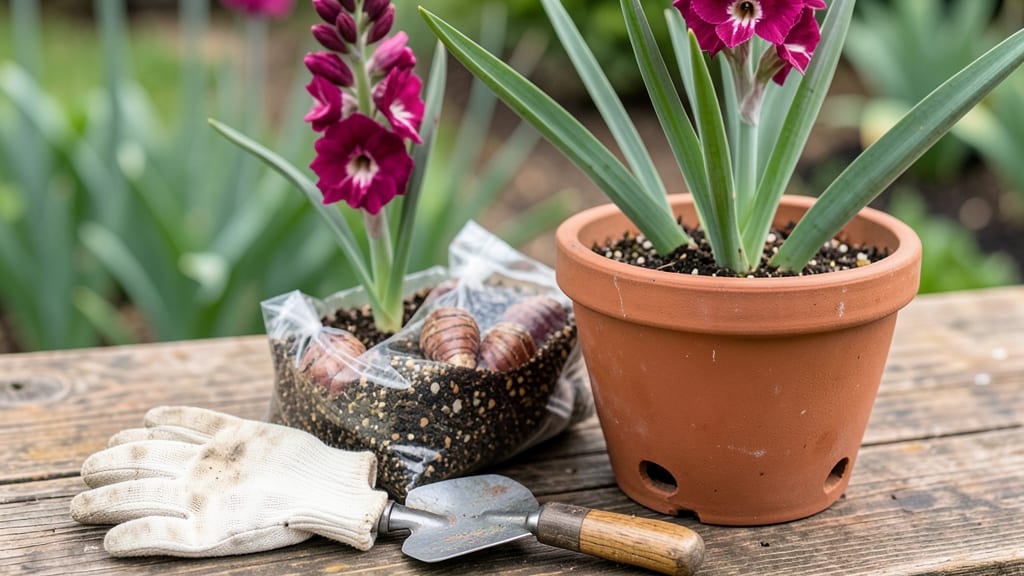
How to grow gladiolus in containers delivers jaw-dropping spikes of color without needing a yard. 🌿 I learned the hard way that these showstoppers thrive in deep pots—my first attempt in shallow saucers left roots circling like tangled spaghetti. The secret? Matching the right container to their aggressive growth habit.
You'll need 12-18 inch deep pots (gladiolus corms need room to stretch), well-draining soil mix, and a sunny spot with 6+ hours of direct light daily. The blooms reward patience—tall stems emerge in 8-10 weeks, with each spike producing 10-20 flowers.
Just avoid overcrowding: plant corms 4-6 inches apart and 6 inches deep for best results.
What makes this work is the dramatic height contrast—pair your glads with trailing plants like sweet potato vine or low-growing foliage like heuchera. The containers become vertical gardens that draw eyes upward. My favorite setup uses terracotta pots for breathability and adds decorative gravel for weight and style.
The biggest mistake? Skipping the drainage holes or using regular garden soil. Gladiolus roots rot quickly when soggy. With proper care, you'll get repeat blooms all summer long—perfect for patios, balconies, or small-space gardens. Here's how to set it up right from day one.
📚 In This Guide
- What you need
- Instructions
- Tips and common mistakes
- Wrapping up and next steps
What you need
- ● Containers: At least 2-3 large pots (12–18 inches deep) with drainage holes. Use lightweight materials like fabric grow bags or terracotta pots for better airflow.
- ● Potting Mix: 1 bag (2–3 cubic feet) of well-draining container mix (avoid garden soil—it compacts!). Add perlite or sand (10–20%) to improve drainage.
- ● Gladiolus Corms: 3–5 healthy corms per container (size: 1–2 inches wide). Choose compact varieties like ‘Picasso’ or ‘Attraction’ for containers.
- ● Fertilizer: Balanced fertilizer (10-10-10 or 20-20-20) for planting (1 tbsp per container).
- ○ Slow-release granules (optional but helpful) mixed into the soil.
- ● Support: 1–2 bamboo stakes or floral picks per plant (6–12 inches tall) to secure stems as they grow.
- ● Watering Can: With a narrow spout for precise watering (avoid overhead spray to prevent fungal issues).
- ● Gloves (to protect hands from corm sharpness).
- ● Trowel or small shovel for planting.
- ● Mulch (straw or shredded bark) to retain moisture.
- ● Container saucers or trays to catch runoff (if pots lack feet).
- ● Liquid fertilizer (e.g., fish emulsion) for mid-season feeding (every 3–4 weeks).
- ● Pest control: Neem oil or insecticidal soap (for thrips or aphids).
Step-by-Step instructions for growing gladiolus in containers
Here’s how to coax those dramatic spikes of color into small pots—no yard required.
🌱 Step 1: Choose the Right Containers and Soil Mix
Gladiolus need deep containers—at least 12 inches tall—to accommodate their long corms and roots. I use 1-gallon pots for each plant since they’ll grow 2-3 feet tall with strong stems. Make sure containers have multiple drainage holes to prevent rot; corms rot faster than you’d think when left in soggy soil.
Fill the bottom third of the pot with garden soil mixed with 20% perlite for drainage. The top two-thirds should be well-draining potting mix—never garden soil alone. This prevents compaction and keeps roots oxygenated. Tap the pot gently after filling to eliminate air pockets, but don’t pack the soil down hard.
🌱 Step 2: Plant Corms at the Correct Depth and Spacing
Gladiolus corms should be planted pointy end up, about 4-6 inches deep—deeper in heavier soil, shallower in lightweight mixes. I space them 6 inches apart in each pot since they’ll spread as they grow. If using multiple corms per container, leave 3-4 inches between each to avoid overcrowding.
Cover the corms with soil, then water lightly until the top inch feels damp. Don’t soak the soil—gladiolus corms need moisture but hate sitting in water. Place the pots in a bright, indirect light spot (like a sunny windowsill) until shoots appear, which usually takes 7-14 days depending on temperature.
☀️ Step 3: Provide Full Sun and Consistent Watering
Once shoots reach 3-4 inches tall, move the containers to a spot with full sun (6+ hours daily). Gladiolus are sun-hungry and won’t bloom well in shade. If outdoors, place them where they’ll get morning sun and afternoon shade in hot climates to prevent wilting.
Water deeply once a week, letting the soil dry out slightly between waterings. You’ll know it’s time when the top 2 inches feel dry. Overwatering causes corms to rot, while underwatering leads to weak stems. Mulch the soil surface with 1 inch of bark chips to retain moisture and regulate temperature.
✂️ Step 4: Fertilize and Support for Towering Blooms
When the foliage reaches 6 inches tall, feed with a balanced liquid fertilizer (10-10-10) diluted to half strength. I fertilize every 2 weeks until blooming starts. Gladiolus are heavy feeders, but too much fertilizer causes weak stems that flop over.
Stake each plant with 3-foot bamboo stakes or a flower cage as soon as the first flower bud appears. Tie stems loosely with soft twine to prevent damage. Without support, the 2-3 foot spikes will bend and break under their own weight—trust me, I’ve seen it happen.
🌿 Step 5: Deadhead and Prepare for Next Season
After blooming, cut the flower stalks back to the base but leave the foliage until it turns yellow. This ensures the corm stores energy for next year. Water sparingly once the leaves yellow, then let the soil dry completely before digging up the corms in fall (or leaving them in mild climates).
Clean the corms by gently brushing off soil, then store them in a cool, dry place (50-60°F) until replanting in spring. I label each corm with the variety—after a season, you’ll forget which one produced those stunning pink-and-white blooms you loved!
Tips & tricks for growing gladiolus in small spaces
Small containers shouldn't limit your gladiolus dreams—these pro tips ensure your towering blooms thrive without the yard.
Container Depth Matters: Those 12-inch-deep pots are non-negotiable for gladiolus. Shallow containers force corms to compete for space, stunting growth and reducing bloom height. If you're working with limited space, opt for window boxes that are at least 10 inches deep—anything shallower risks root binding, which stresses the plant during its critical growth phase. I've seen gladiolus in 8-inch pots struggle to reach half their potential height.
Drainage Test: That 5-minute drainage test in Step 1 is your first line of defense against rot. If water pools at the bottom, your corms will suffocate. I've ruined three batches before learning to test drainage—now I keep a small bucket handy to catch runoff. Pro tip: Terra cotta pots dry faster than plastic, but they also dry out quicker in hot weather, so monitor watering more closely.
Light Supplement Strategy: When you're limited to 4-5 hours of direct sun, don't just give up. Place your containers on a sunny windowsill during peak sun hours (10 AM–2 PM) and supplement with a full-spectrum LED grow light for 4–6 hours in the evening. I use a simple clip-on bulb for mine—it's not glamorous, but it works. The key is consistency; gladiolus notice light deprivation faster than most plants, and you'll see it in weak, leggy stems.
Overwintering Organization: Labeling your corms with variety names and planting dates in Step 5 pays off big time. I've dug up bags only to discover they contained my favorite 'Black Star' variety mixed with 'Picasso'—now I know exactly which ones to replant for dramatic contrast next season. Use masking tape and a fine-tip marker for labels that won't smudge when you handle them during storage.
Pro Tips for Grow Gladiolus In Containers
- Small containers shouldn't limit your gladiolus dreams—these pro tips ensure your towering blooms thrive without the yard.
- Container Depth Matters: Those 12-inch-deep pots are non-negotiable for gladiolus.
- Drainage Test: That 5-minute drainage test in Step 1 is your first line of defense against rot.
Frequently asked questions
Got questions about container-grown gladiolus? You’re not alone! Here are answers to the most common queries to help you cultivate stunning blooms in limited space.
Can gladiolus grow in containers year-round?
Gladiolus thrive best in containers during their active growing season (spring to fall). In colder climates (USDA Zones 7-10), move pots indoors or bury them in the ground for winter. In warmer zones, they may survive outdoors with protection from frost. Pro tip: Use frost cloth or a greenhouse to extend the season!
When is the best time to plant gladiolus in containers?
Plant gladiolus corms in early spring (after the last frost) or late summer (6-8 weeks before the first frost). Containers warm up faster than soil, so avoid planting too early—corms need consistent warmth to sprout. For fall blooms, opt for late-summer planting.
How often should I water container gladiolus?
Water gladiolus deeply 2-3 times per week, ensuring the soil stays moist but not soggy. Containers dry out faster than garden beds, so check the top inch of soil daily. Yellowing leaves? Often a sign of overwatering—drain excess water and improve aeration with perlite.
What pests or diseases should I watch for in potted gladiolus?
Common threats include thrips (tiny insects causing streaked petals), aphids, and fungal rot from overwatering. Inspect leaves regularly and treat pests with neem oil or insecticidal soap. For fungal issues, improve drainage and avoid wetting foliage.
Can I grow gladiolus in small pots, or do they need deep containers?
Gladiolus need at least 6-8 inches of depth per corm, so opt for wide, deep pots (12+ inches in diameter) for multiple corms. Small pots (under 6 inches) will stunt growth. Pro tip: Use fabric grow bags for better aeration and root expansion!
How do I overwinter gladiolus corms in containers?
After foliage dies back, dig up corms, trim stems, and store them in a cool, dry place (40-50°F) with minimal light. Replant in spring. For containers left outdoors, bury them in the ground or wrap pots in insulation.
Wrapping up and next steps
Growing gladiolus in containers is a rewarding way to enjoy their stunning vertical blooms—even in small spaces! With the right soil mix, sunlight, and care, these beauties thrive in pots, adding drama to balconies, patios, or windowsills. 🌸
Now that you’re armed with tips, start small: pick a sunny spot, plant your corms, and watch them flourish. Ready for more? Try experimenting with color combinations or even growing them indoors for a year-round touch of elegance!