
Propagation
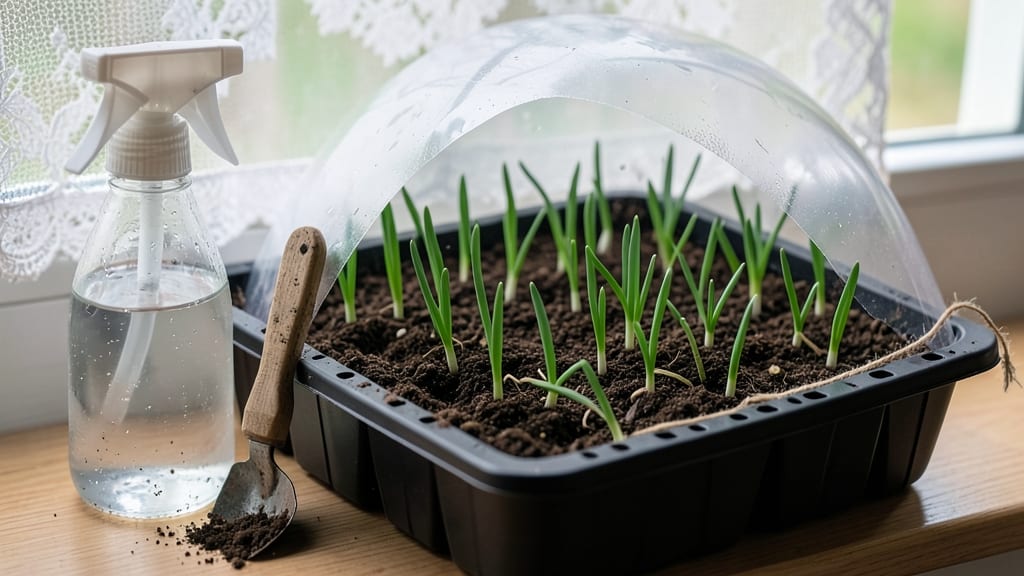
Six months of waiting feels like forever—until you see that first tiny daffodil leaf push through the soil after how to grow narcissus from seeds. The secret isn’t rushing; it’s understanding how these stubborn little seeds need time to build roots before they’ll even consider flowering.
You’ll need fresh seeds (or carefully collected ones from a healthy plant), well-draining soil, and a spot that gets sunlight but stays cool—think of it like giving them a cozy winter nap before they’re ready to grow.
Most gardeners skip this step because it takes 3-5 years to see flowers, but that’s where the magic happens. The first year is all about establishing roots; the second, tiny green shoots; and by year three, you might just spot your first bloom.
What you’ll end up with is a clump of narcissus plants that multiply over time, their bright blooms returning year after year with almost no effort. The scent alone—sweet and fresh—makes it worth the wait.
Plus, they’re tough: deer usually leave them alone, and they naturalize beautifully in lawns or borders once established.
Fair warning: This isn’t a quick project. But if you’ve ever dreamed of growing daffodils from the very beginning, there’s no better way to connect with the garden’s rhythms.
Pair them with early spring bulbs like crocuses or grape hyacinths to fill in the gaps while you wait for your narcissus to shine.
📚 In This Guide
- What you need
- Instructions
- Tips and common mistakes
- Wrapping up and next steps
What you need
- ● Narcissus seeds: High-quality, fresh seeds (preferably from a trusted supplier). Aim for at least 10-20 seeds to increase your chances of success.
- ● Seed-starting trays or small pots: 2-3 inch (5-7.5 cm) pots or a seed tray with drainage holes. 3-5 pots/trays should suffice for your seed count.
- ● Well-draining potting mix: A lightweight, sterile mix designed for bulbs or seeds. Avoid garden soil—it can harbor diseases. 1-2 bags (1-2 cubic feet) depending on your setup.
- ● Perlite or vermiculite: To improve drainage and aeration. Mix 20-30% perlite/vermiculite into your potting soil.
- ● Plastic wrap or clear lid: To create a mini greenhouse effect and retain humidity.
- ● Spray bottle: For gentle watering without disturbing the seeds.
- ● Grow lights or sunny windowsill: Narcissus seeds need 12-16 hours of light daily. A small LED grow light works if natural light is limited.
- ○ Heat mat (optional but helpful): A seedling heat mat set to 70-75°F (21-24°C) to encourage germination.
- ● Fertilizer (low-nitrogen, balanced): A diluted 5-10-10 or 10-10-10 fertilizer for seedlings. Start with half-strength to avoid burning tender roots.
- ● Seedling labels: To keep track of your narcissus varieties (toothpicks + masking tape work too!).
- ● Humidity dome: A clear plastic dome to maintain moisture levels.
- ● Fungicide (like neem oil or hydrogen peroxide): To prevent mold or damping-off disease.
- ● Larger pots (6-8 inches): For transplanting seedlings once they outgrow their starter pots.
- ● Garden journal: To log germination dates, growth milestones, and care notes!
Step-by-step instructions for growing narcissus from seeds
Here’s how to coax those delicate narcissus blooms from tiny seeds—it takes time, but the payoff is worth it.
🌱 Step 1: Harvest and Prepare the Seeds
Collect seeds from fully mature narcissus pods—wait until they turn brown and dry on the plant, usually 6-8 weeks after flowering. Gently squeeze the pod to release the flat, black seeds inside. I like to store them in a cool, dry place until ready to plant, but they’ll stay viable for 3-5 years if kept dry.
Before sowing, soak the seeds in lukewarm water for 12-24 hours to soften the tough outer coating. This step speeds up germination, which can otherwise take 3-6 months under ideal conditions. Don’t skip it—dry seeds may never sprout without this prep.
🪴 Step 2: Sow Seeds in a Light, Well-Draining Mix
Use a sterile seed-starting mix—never garden soil, as it’s too dense and can rot the tiny seeds. Fill a shallow tray or small pots with the mix, leaving ½ inch of space below the rim for watering. Press the soil down lightly so it’s firm but not compacted.
Scatter the seeds on the surface—don’t bury them. Narcissus seeds need light to germinate, so covering them with soil will prevent sprouting. Mist the tray lightly with water until the soil is damp but not soggy. Place it in a bright, indirect-light location (like a north-facing windowsill) and keep the mix consistently moist.
☀️ Step 3: Provide Consistent Moisture and Cool Temperatures
Germination happens best at 55-65°F—too warm, and the seeds may rot; too cold, and they’ll stall. If your home runs warmer, place the tray in a garage or unheated basement during the day and bring it back indoors at night. A humidity dome or plastic wrap helps retain moisture without drowning the seeds.
Check the soil daily—it should stay evenly damp, like a wrung-out sponge. Overwatering is the #1 killer of narcissus seeds at this stage. Once you see tiny green shoots (usually in 6-12 weeks), remove the dome immediately to prevent fungal growth.
⏰ Step 4: Transplant Seedlings After True Leaves Appear
When seedlings develop their first true leaves (not the initial seedling leaves), they’re ready for their own pots. Use 3-inch pots filled with a mix of 50% potting soil and 50% perlite for drainage. Gently lift each seedling with a small spoon or fork, keeping the roots intact.
Plant them 1 inch deep, firming the soil around the base. Place the pots in a cool, bright spot (like a greenhouse or shaded patio) and water lightly from the bottom to avoid disturbing the roots. Avoid direct sun at first—young narcissus are sensitive to heat stress.
🌿 Step 5: Overwinter and Care for First Blooms
Narcissus seedlings need at least 12 months before they’ll produce flowers, so patience is key. During their first winter, keep them in a cool, dark place (like a garage) where temperatures stay between 40-50°F. Reduce watering to once every 2-3 weeks—let the soil dry slightly between waterings.
By their second spring, you’ll see small green shoots emerge. Gradually introduce them to morning sun and fertilize lightly with a balanced 10-10-10 mix every 4-6 weeks. It may take 3-5 years for seed-grown narcissus to bloom, but each stage brings you closer to those classic trumpet-shaped flowers.
Tips & tricks for growing narcissus from seeds
Growing narcissus from seeds is a rewarding challenge—here’s how to avoid the most common pitfalls and maximize your success.
Seed Preparation: The 12-24 hour soak in lukewarm water is non-negotiable for breaking the tough seed coat. I like to use a small glass jar with a loose lid to keep the water temperature consistent. If you're impatient, you can extend the soak to 48 hours (optional), but don't exceed 72 hours or the seeds may start to deteriorate. The goal is to soften the coat without germinating the seed prematurely.
Light Requirements: Narcissus seeds absolutely need light to germinate—this is different from many other bulbs. If you notice mold or black spots appearing on the soil surface after 2 weeks, it's a sign you've either overwatered or the seeds are too deeply buried. Keep them on the surface and maintain that bright, indirect light. A simple LED grow light on a timer works wonders if your windowsill isn't bright enough.
Germination Environment: The 55-65°F temperature range is crucial—this is why many gardeners struggle with indoor germination. If your home runs warmer, try placing the tray on a cooling rack over a bowl of ice cubes during the day. For cooler homes, a seedling heat mat set to low (around 60°F) can help maintain consistent temperatures. Remember that fluctuations of more than 10°F can stall germination completely.
Transplanting Timing: When you see those first true leaves (not the initial seedling leaves), that's your cue to transplant. I recommend using a small spoon or fork to gently lift seedlings—never pull from the roots. The 1-inch planting depth is perfect for young narcissus, but if you notice the soil drying too quickly, you can plant slightly deeper (up to 1.5 inches) to help retain moisture during the sensitive early stages.
Pro Tips for Grow Narcissus From Seeds
- Growing narcissus from seeds is a rewarding challenge—here’s how to avoid the most common pitfalls and maximize your ...
- Seed Preparation: The 12-24 hour soak in lukewarm water is non-negotiable for breaking the tough seed coat. I like to...
- Light Requirements: Narcissus seeds absolutely need light to germinate—this is different from many other bulbs. If yo...
Frequently asked questions
about growing narcissus from seeds—because even the most eager gardeners need a little clarity! Here are answers to the most common queries to help you navigate this rewarding (but slow) process with confidence.How long does it take for narcissus seeds to germinate?
Germination can take anywhere from 4 to 12 weeks, depending on temperature, moisture, and seed freshness. Cold stratification (chilling) is key—don’t rush it! Keep the soil consistently moist but not soggy, and patience will pay off with those first tiny sprouts. Pro tip: Label your pots to track planting dates!
Can I grow narcissus from seeds faster than 6 months?
Unfortunately, no—narcissus seeds are notoriously slow! The minimum time from seed to bloom is about 6 months, but most varieties take 1–2 years to flower. Focus on providing ideal conditions (cool temps, bright indirect light) to speed up early growth stages. Think of it as a long-term investment in springtime beauty!
What if my narcissus seeds don’t sprout?
Don’t panic! Low germination rates are normal. Try these fixes:
- Check seed viability—test a few in warm water (floating seeds may be bad).
- Ensure your mix is well-draining (sandy loam works best).
- Verify cold stratification (4–6 weeks in the fridge is ideal).
- Be patient—some seeds need extra time or a second cold period.
Do I need to buy special narcissus seeds, or can I save them from my flowers?
You can save seeds from store-bought or garden-grown narcissus, but results vary. Hybrid varieties (like popular daffodils) may not true-to-type—you might get surprises! For consistent blooms, opt for seeds labeled as "species" or "wild-type" narcissus (e.g., Narcissus poeticus or N. jonquilla). Pro tip: Cross-pollinate flowers for unique hybrids!
Can I grow narcissus seeds indoors year-round?
Yes, but timing matters! Start seeds indoors in late summer or early fall to mimic natural conditions. Use a grow light if natural light is weak, and transition seedlings outdoors in spring (after the last frost). Avoid starting them in winter—low light slows growth. For tropical climates, adjust the schedule to avoid summer heat stress. Pro tip: A seedling heat mat can help in chilly homes!
Wrapping up and next steps
Growing narcissus from seeds is a rewarding journey that blends patience with the joy of nurturing life.
While it takes 6 months or more to see those stunning blooms, every step—from sowing to transplanting—is a chance to connect with nature’s cycle. You’ve got this! Once your seedlings sprout, consider sharing the love by gifting a few to fellow plant enthusiasts or expanding your own garden with new varieties.
Ready to dive deeper? Explore our guide on caring for young narcissus bulbs to keep your plants thriving—and maybe even experiment with forcing techniques for earlier blooms! 🌱✨